Advances in Fertility Preservation for Young Women With Cancer
Dec. 4, 2025, 6:35 a.m.
A Hopeful Path Forward
Cancer hits hard, especially for young women dreaming of starting a family. But advances in fertility preservation for young women with cancer bring real hope. These options let you protect your future before treatments like chemotherapy begin. In this article, we dive into the latest techniques, timelines, and stories that show it's possible to beat cancer and build the life you want.

Why Fertility Preservation Matters Now
Imagine getting that cancer diagnosis at 28, right when you're thinking about kids. That's what happened to Sarah, a graphic designer from Chicago. 'The scariest part wasn't the treatment—it was wondering if I'd ever hold my own baby,' she shares. Today, thanks to latest advances in fertility preservation, more women like Sarah walk away from cancer with their reproductive options intact.
Cancer treatments, especially chemotherapy, can damage ovaries and lead to early menopause. But acting fast changes everything. Studies show that up to 70% of young women with cancer want kids someday, yet only about 40% get fertility counseling. Don't let that be you. Talk to your doctor right away.
Fertility Preservation Techniques Explained
Let's break down the main ways to save your fertility. These methods fit into your cancer care without big delays.
1. Egg Freezing (Oocyte Cryopreservation)
This is like hitting pause on your eggs. Doctors stimulate your ovaries with hormones to produce multiple eggs, retrieve them, and freeze them for later use.
- How it works: You get daily shots for 10-14 days, then a quick procedure under sedation to collect the eggs.
- Best for: Women who aren't partnered or prefer not to create embryos yet.
- Success tip: Younger women (under 35) freeze more eggs—aim for 15-20 for good odds later.
2. Embryo Freezing
Similar to egg freezing, but fertilizes the eggs with sperm first to make embryos.
- Pro: Higher pregnancy rates (around 50% per transfer).
- Con: Needs a partner or donor sperm.
3. Ovarian Tissue Freezing (OTC)
Surgeons remove and freeze strips of your ovary. Later, they transplant it back to restart natural cycles.
- Quick fact: No hormone shots needed—ideal if chemo starts tomorrow.
- Latest advance: Vitrification (super-fast freezing) boosts survival rates to over 80%.
For a quick comparison:
| Technique | Time Needed | Hormone Shots? | Pregnancy Success Rate |
|---|---|---|---|
| Egg Freezing | 2-3 weeks | Yes | 30-40% per cycle |
| Embryo Freezing | 2-3 weeks | Yes | 40-50% per transfer |
| OTC | 1-2 days | No | 25-35% overall |
These rates come from recent data, showing real progress. Check the American Society of Clinical Oncology's updated guidelines on fertility preservation for more details.
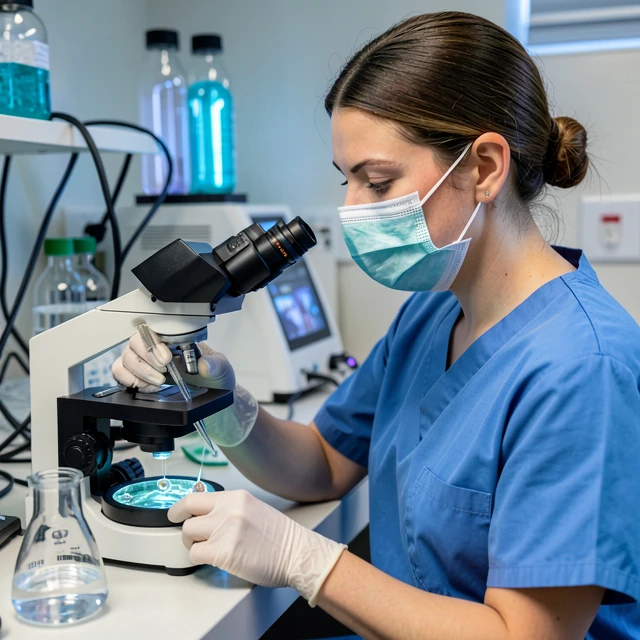
Fertility Preservation and Cancer Treatment Timeline
Time is your ally—or enemy—in this fight. The key? Start fertility preservation before chemotherapy to avoid rushed decisions.
Here's a sample timeline:
- Diagnosis Day 1: See your oncologist. Ask for a fertility referral—ASCO recommends this for all under 40.
- Days 2-7: Meet the fertility specialist. Tests check your ovarian reserve (like AMH bloodwork).
- Weeks 2-4: Undergo egg or embryo freezing if time allows. Random-start protocols let you skip waiting for your cycle.
- Day of Surgery (if OTC): A simple laparoscopy removes tissue—done outpatient.
- Chemo Starts: Proceed with confidence, knowing your future is protected.
'We squeezed in egg freezing between scans,' says Emily, a 32-year-old lymphoma survivor. 'It took two weeks, but it gave me peace.' New protocols, like progestin-primed stimulation, cut risks for breast cancer patients by lowering estrogen spikes.
For urgent cases, OTC shines. One study of 200 women showed 36% got pregnant after transplant—up from 20% a decade ago.
Fertility Preservation Before Chemotherapy: Don't Skip This Step
Chemo's the big threat here. Alkylating agents like cyclophosphamide hit ovaries hardest, wiping out 50-90% of follicles in young women.
But here's the good news: Freezing before your first dose preserves eggs in their prime. Recent trials show women who freeze pre-chemo have double the live birth rates versus waiting.
Personal story time: Meet Lisa, diagnosed with breast cancer at 25. 'My team mapped it out—fertility consult same week as biopsy.' She froze 18 eggs, beat cancer, and now has a 2-year-old son. 'It wasn't easy, but worth every shot.'
If surgery's your path, fertility-sparing options like radical trachelectomy for early cervical cancer keep your uterus intact. Pregnancy rates? 30-50% post-op, per this comprehensive review on fertility preservation strategies.
Latest Advances in Fertility Preservation: What's New in 2025
Science moves fast. In vitro maturation (IVM) lets you mature eggs outside the body—no full stimulation needed. Great for hormone-sensitive cancers.
Robotic surgery refines fertility-sparing procedures, cutting recovery to days. And emerging? Artificial ovaries—lab-grown tissue that could restore hormones and eggs without transplants.
Global experts like FIGO's best practice advice for fertility preservation in cancer patients stress teamwork: oncologists, fertility docs, and counselors.
Challenges remain—cost (egg freezing: $10K+), access in rural areas. But insurance covers more now, and nonprofits help. Action step: Join support groups like Resolve or CancerCare for grants.
Real Talk: Navigating Emotions and Next Steps
It's not just medical—it's emotional. Fear of regret hits hard. 'What if I never use them?' one patient asked me. My answer: Peace of mind trumps unused eggs.
Build your team: A fertility navigator coordinates care. Track progress with apps like Fertility Friend.
Post-treatment? Thaw and try IVF, or go natural if OTC works. Success stories flood in—over 5,000 babies born from preserved tissue worldwide.
Wrapping Up: Your Future Starts Today
Advances in fertility preservation for young women with cancer turn 'what if' into 'watch me.' From quick OTC to smarter freezing, options abound. Chat with pros early, freeze before chemo, and reclaim your story. You've got this—cancer doesn't get to steal your dreams.
For more, explore the American Cancer Society's guide to preserving fertility when you have cancer.