Fertility Preservation: A Guide for Cancer Patients
July 25, 2025, 7:21 a.m.
Fertility preservation is a critical consideration for cancer patients who wish to have children in the future. Cancer treatments like chemotherapy, radiation, and surgery can impact fertility, making it essential to explore options such as egg freezing, sperm banking, and other techniques before starting treatment.
Fertility preservation involves saving or protecting eggs, sperm, or reproductive tissue to allow individuals to have biological children later. For cancer patients, this is particularly important because treatments like chemotherapy, radiation, and surgery can damage reproductive organs and affect fertility.

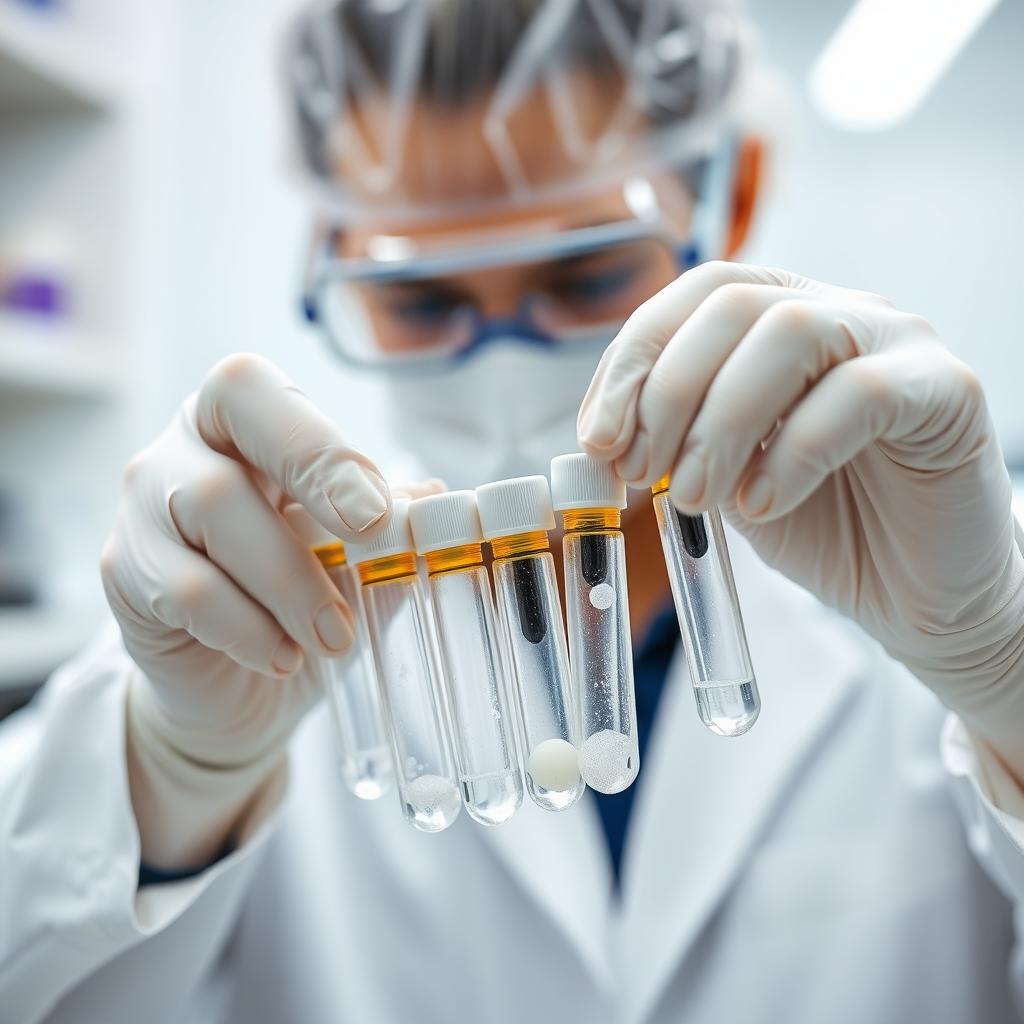
There are several fertility preservation techniques available for cancer patients, and the choice depends on individual circumstances, including age, type of cancer, and treatment plan. Common methods include:
- Egg Freezing (Oocyte Cryopreservation): Eggs are retrieved and frozen for future use. This is ideal for women who want to preserve their fertility but may require delaying cancer treatment.
- Sperm Banking: Sperm is collected and frozen. It’s a straightforward option for men and can be done quickly.
- Embryo Freezing: Eggs are fertilized with sperm to create embryos, which are then frozen. This requires a partner or donor sperm and has high success rates.
- Ovarian Tissue Freezing: A piece of ovarian tissue is removed and frozen for future transplantation. This is still experimental but can be done quickly.
- Testicular Tissue Freezing: Testicular tissue is removed and frozen, primarily for pre-pubescent boys, though it remains experimental.
Age plays a significant role in fertility preservation, particularly for women. Women's fertility declines with age, especially after 35, due to a decrease in the number and quality of eggs. For cancer patients, this means younger patients may have more options and better success rates with techniques like egg freezing. However, older patients can still benefit, and it’s important to discuss individual circumstances with a fertility specialist. Men’s fertility also declines with age, though the impact is generally less pronounced.
The emotional journey of fertility preservation can be challenging for cancer patients. Many experience anxiety, sadness, or guilt about their fertility options. It’s important to acknowledge these feelings and seek support from healthcare providers, counselors, or support groups. Conversations about family planning can be tough, but they are crucial for those navigating cancer treatment.

Cancer treatments pose many challenges, and the decision to pursue fertility preservation requires significant emotional processing. For many patients, the thought of delaying treatment to preserve fertility can cause stress. It is essential that patients reach out for emotional support and counseling, as many find relief in sharing their experiences with others facing similar challenges.
Successful fertility preservation can offer hope and the possibility of having biological children in the future. Options available allow individuals to keep their dreams of parenthood alive, regardless of age.

In summary, fertility preservation encompasses a range of techniques that allow cancer patients to safeguard their reproductive health. While age and treatment plans heavily influence which options are available, the emotional aspects of making these decisions are equally important. Support systems play an invaluable role in helping patients cope with these life-altering choices.

Recommended Readings:
1. "Understanding Fertility Preservation Options for Cancer Patients" - A deep dive into techniques and how they work.
2. "Navigating the Emotional Aspects of Fertility Preservation" - Real advice for handling the ups and downs.
3. "Fertility Preservation and Age: What You Need to Know" - Clear info on how age affects your options.
For more detailed information and resources, consider visiting the American Cancer Society or discussing with your healthcare provider.