Fertility Preservation for LGBTQ+ Individuals: What You Need to Know
May 26, 2025, 5:24 p.m.
Fertility preservation offers LGBTQ+ individuals a way to plan for biological kids later in life. This article dives into the options, challenges, and real stories behind fertility preservation, while spotlighting the role of fertility preservation clinics in supporting this community.
Why Fertility Preservation Matters
For many LGBTQ+ individuals, starting a family can feel out of reach. Fertility preservation changes that. It’s a way to keep your options open—whether you’re transitioning, waiting for the right time, or facing medical treatments that might cause infertility. This process lets you take control of your future.
But it’s not always easy. Legal rules, costs, and finding the right care can stand in the way. Still, more people in the LGBTQ+ community are turning to fertility preservation to build the families they dream of.

Challenges You Might Face
LGBTQ+ individuals often hit roadblocks with fertility preservation. Laws in some places limit access for same-sex couples or single people. For example, certain countries only allow assisted reproduction for married heterosexual couples, leaving others out.
Then there’s the stigma. Some healthcare providers don’t get it—they might judge or misunderstand your needs. This can make asking for help feel intimidating. Plus, not all fertility preservation clinics know how to support LGBTQ+ patients, which adds another layer of difficulty.
Cost is a big hurdle too. Procedures like egg freezing can run thousands of dollars, and insurance doesn’t always cover it. These challenges show why finding the right resources matters so much.

Options for Fertility Preservation
Let’s break down the main choices for fertility preservation. Each one fits different needs, so you can pick what works for you.
-
Egg Freezing: Doctors take eggs from your ovaries and freeze them. It’s great if you’re not ready for kids yet—like if you’re transitioning or just waiting.
-
Sperm Banking: You collect and freeze sperm. It’s simple, affordable, and perfect if you’re facing treatments that might hurt your fertility.
-
Embryo Freezing: Eggs and sperm are combined to make embryos, then frozen. Couples often choose this to plan a family together later.
Here’s a quick look at how they stack up:
| Option | Who It’s For | Average Cost | Success Rate |
|---|---|---|---|
| Egg Freezing | People with ovaries | $10,000-$15,000 | 30-40% per cycle |
| Sperm Banking | People with sperm | $500-$1,000/year | Very high |
| Embryo Freezing | Couples | $12,000-$20,000 | 40-50% per transfer |

Finding the Right Clinic
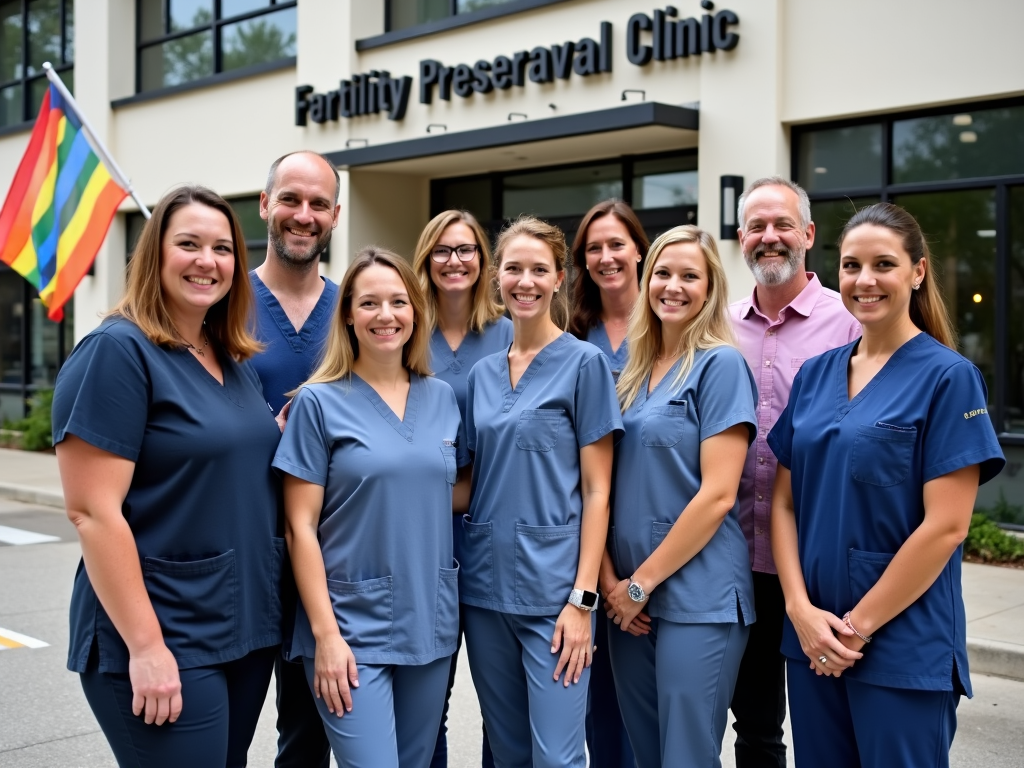
Not all fertility preservation clinics are the same. You need one that gets you—one that’s LGBTQ+-friendly. Look for places with experience helping people like you. A good clinic will have staff who know the challenges you face and won’t bat an eye at your identity or family plans.
Check for these signs:
- They’ve worked with LGBTQ+ patients before.
- The vibe is warm and welcoming—no awkward stares.
- They offer services like testing, counseling, and storage.
Ask questions when you call. Do they support same-sex couples? Can they help trans folks before hormone therapy? A great clinic will say yes with confidence.
Real Stories from the Community
Hearing from others can make this feel less daunting. Take Sarah and Mia, a lesbian couple from Oregon. They wanted kids but worried about legal barriers. After finding an LGBTQ+-friendly clinic, they froze embryos together. 'It was a relief to know we had options,' Mia says.
Then there’s Jay, a nonbinary person who banked sperm before starting testosterone. 'I wasn’t sure about kids, but I wanted the choice,' Jay explains. 'The clinic staff treated me like family—no judgment, just support.' These stories show how fertility preservation can fit into real lives.

How to Get Started
Ready to explore fertility preservation? Start by talking to your doctor or reaching out to a clinic. Ask about your options and what fits your life. If you’re trans, timing matters—think about preserving before hormones or surgery. For couples, decide if you want embryos or individual storage.
Research costs and funding too. Some clinics offer payment plans, and groups like The Human Rights Campaign list resources for LGBTQ+ family planning. Don’t rush—take time to find a team you trust.
Breaking Down Misconceptions
Some think fertility preservation is only for straight people or those with infertility. Not true. It’s for anyone who wants to keep their family options open—especially in the LGBTQ+ community, where planning ahead can dodge legal or medical curveballs.
Another myth? It’s too complicated. Sure, it takes effort, but clinics break it down step-by-step. With the right support, it’s doable—and worth it for peace of mind.

Summary
Fertility preservation for LGBTQ+ individuals opens doors to building families on your terms. It’s not without challenges—legal barriers, stigma, and costs can complicate things. But with options like egg freezing, sperm banking, and embryo freezing, plus the right fertility preservation clinics, it’s more possible than ever. Real stories prove it’s a game-changer. Take the first step and explore what works for you.