The Importance of Monitoring in Fertility Therapy: A Comprehensive Guide
July 10, 2025, 7:04 a.m.
Fertility therapy can be a challenging journey, and monitoring plays a crucial role in ensuring its success. This article explores why monitoring is essential in fertility hormone therapy, how it helps track progress, and the emotional impact it can have on individuals and couples.
The Importance of Monitoring in Fertility Therapy
Monitoring is a critical component of fertility therapy, especially when it involves hormone treatments. It helps healthcare providers track the body's response to the therapy, ensuring that the treatment is both effective and safe. Without proper monitoring, the chances of success may decrease, and the risk of complications could increase.
Understanding Fertility Hormone Therapy
Fertility hormone therapy involves the use of medications to stimulate the ovaries, regulate ovulation, or support the reproductive process. According to Fertility Authority, a leading resource on fertility treatments, hormone therapy can be a game-changer for many individuals struggling to conceive. However, it requires careful management to achieve the desired results.
Types of Monitoring
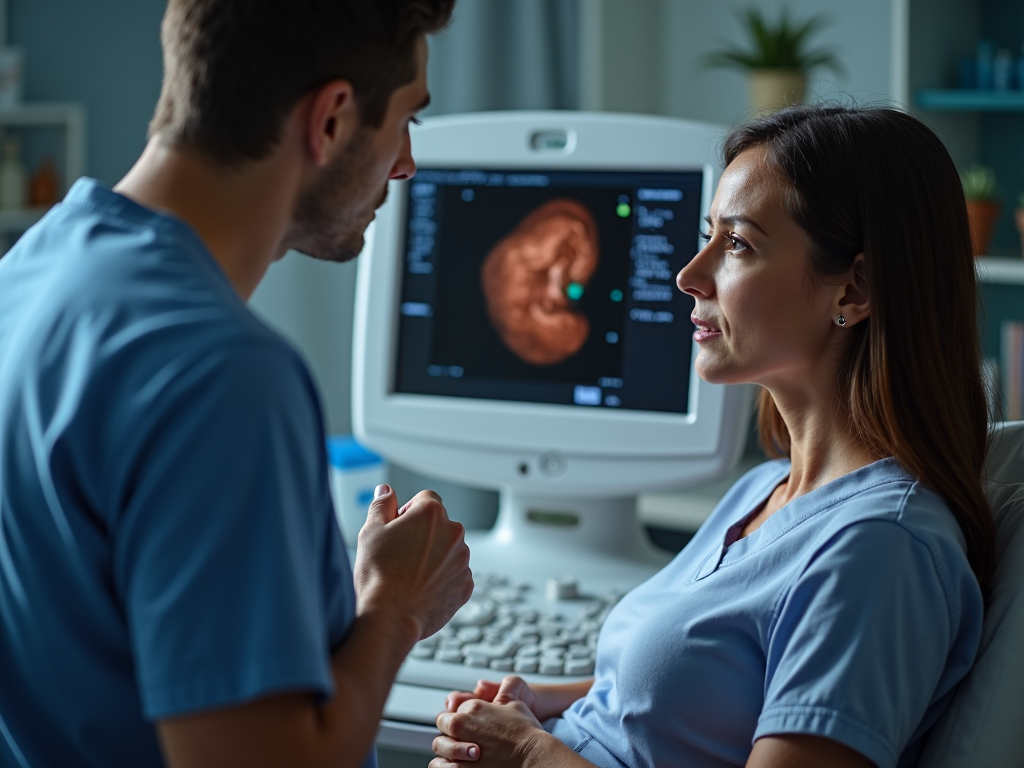
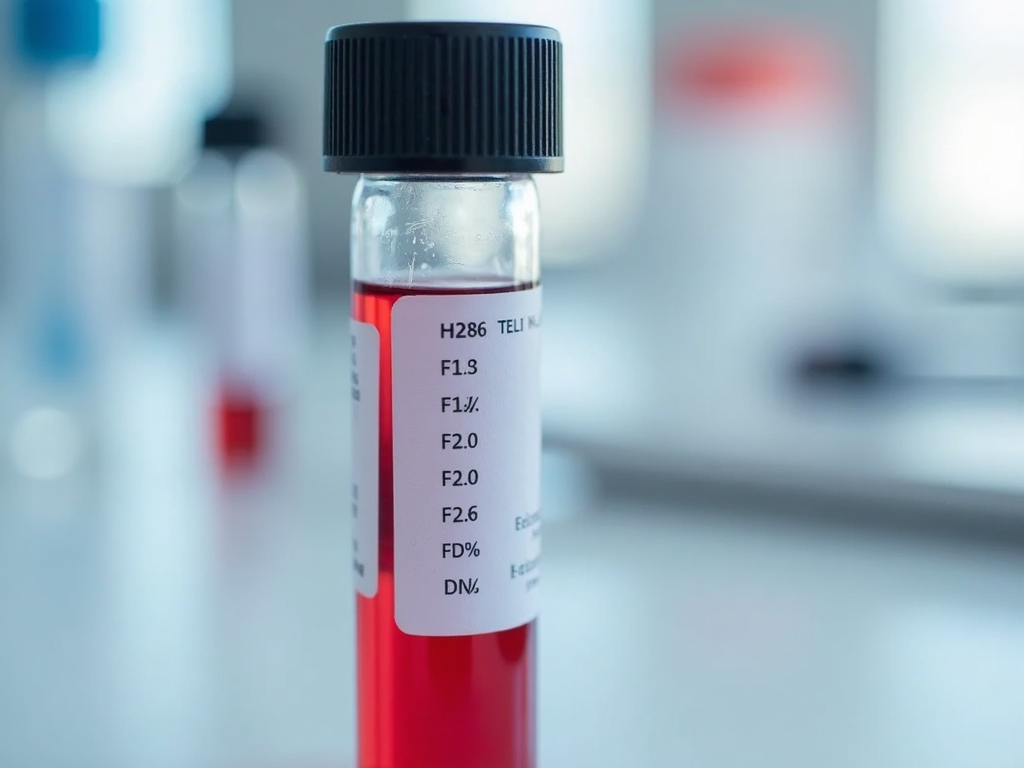
There are several ways to monitor progress during fertility hormone therapy: - Blood Tests: These tests measure hormone levels, such as estrogen and progesterone, to assess how the body is responding to the treatment. - Ultrasounds: Ultrasounds help visualize the ovaries and uterus, allowing doctors to monitor follicle development and the thickness of the uterine lining.
Monitoring Progress During Fertility Hormone Therapy
Regular monitoring allows healthcare providers to make necessary adjustments to the treatment plan. For example, if a blood test shows that hormone levels are too low, the dosage of medication might be increased. Conversely, if levels are too high, the dosage might be reduced to prevent side effects.

Emotional Aspects of Monitoring
The monitoring process can be emotionally taxing. Frequent appointments and tests can create anxiety, especially if the results are not as expected. It's important for individuals and couples to have a support system in place, whether it's through counseling, support groups, or loved ones.
The Role of Monitoring in Fertility Treatment Success
Monitoring not only helps in adjusting the treatment but also provides valuable data that can predict the likelihood of success. According to a study by Harvard Medical School, regular monitoring can significantly improve the outcomes of fertility treatments by allowing for timely interventions.
Tips for Managing the Monitoring Process
- Stay Informed: Understand the purpose of each test and what the results mean.
- Communicate: Keep an open line of communication with your healthcare provider.
- Seek Support: Don't hesitate to reach out to support groups or counselors if the process becomes overwhelming.
Conclusion
Monitoring is a vital part of fertility therapy, ensuring that treatments are effective and safe. By understanding the importance of monitoring, individuals and couples can better navigate their fertility journey. Remember, you're not alone—support is available, and each step brings you closer to your goal.