Latest Advancements in In Vitro Fertilization Technology
July 31, 2025, 5:22 p.m.
In Vitro Fertilization, commonly known as IVF, is a medical procedure that has helped millions of couples worldwide to conceive a child. It involves fertilizing an egg with sperm outside the body and then implanting the resulting embryo into the uterus. Over the years, IVF technology has advanced significantly, making the process more effective and accessible. In this article, we will explore the latest advancements in IVF technology and how they are changing the landscape of fertility treatment.

One of the most significant advancements in IVF technology is the improvement in embryo selection techniques. In the past, embryologists had to rely on visual inspection to choose the best embryos for transfer. However, this method was not always accurate, leading to lower success rates. Today, with the help of artificial intelligence and machine learning, embryologists can analyze large amounts of data to predict which embryos are most likely to result in a successful pregnancy. This has significantly increased the success rates of IVF.

Another advancement is time-lapse imaging. This technology allows embryologists to monitor the development of embryos in real-time without disturbing them. By capturing images at regular intervals, they can observe the growth and division of cells, which helps in selecting the healthiest embryos for transfer.
Genetic testing is also playing a crucial role in IVF. Preimplantation genetic testing (PGT) can detect genetic abnormalities in embryos before they are implanted, reducing the risk of miscarriage and genetic disorders. This is particularly beneficial for couples who are carriers of genetic diseases or have a history of recurrent miscarriages.
I remember meeting Sarah and John, a couple who had been trying to conceive for over five years. They had gone through multiple failed IVF cycles and were losing hope. However, with the latest advancements in IVF technology, their fertility specialist recommended using time-lapse imaging and PGT. To their delight, Sarah became pregnant and gave birth to a healthy baby boy. Their story is a testament to how these advancements are making a real difference in people's lives.

Undergoing IVF can be an emotional rollercoaster. The process is not only physically demanding but also mentally and emotionally draining. Couples often face anxiety, stress, and uncertainty. Moreover, the cost of IVF can be prohibitive for many, with a single cycle costing thousands of dollars. However, with the increasing success rates, more insurance companies are starting to cover IVF treatments, making it more accessible to a wider population.
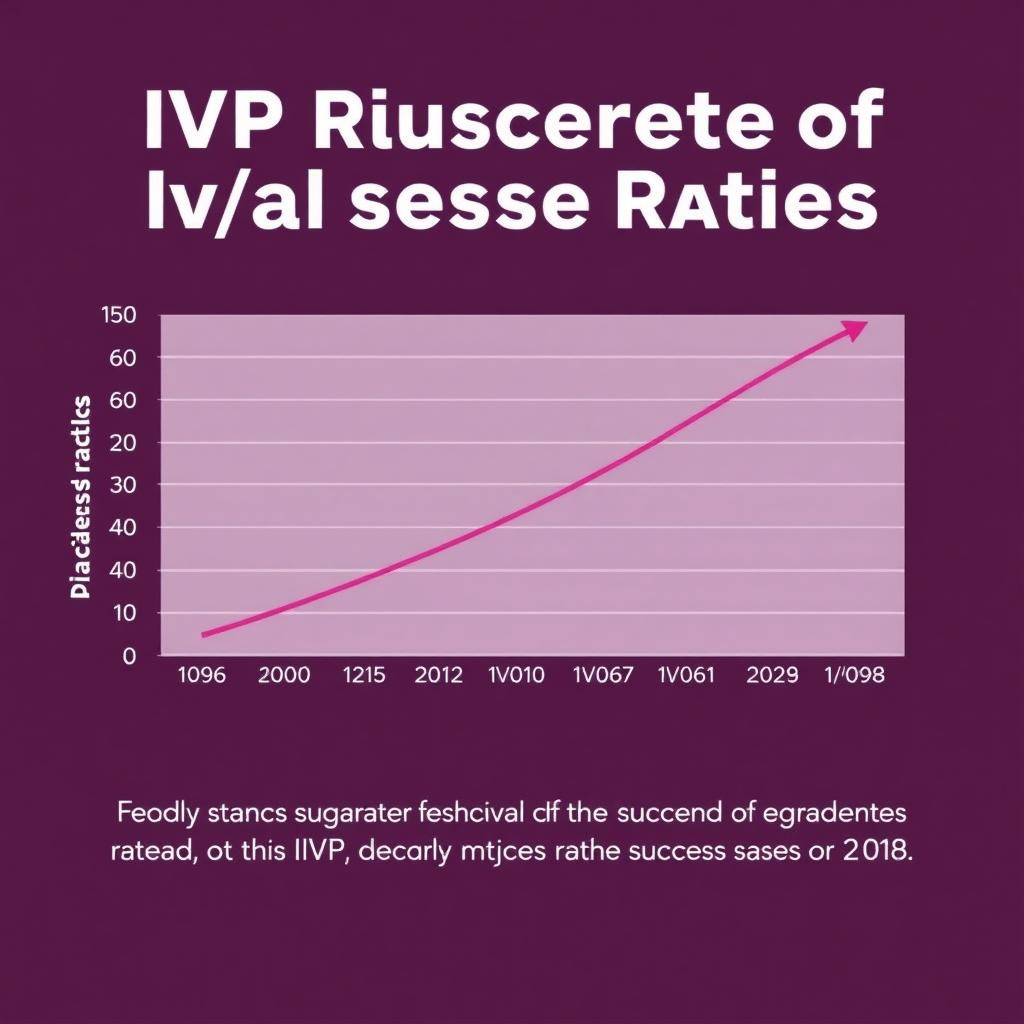
Success rates tell a big story about how far IVF has come. According to the American Society for Reproductive Medicine, live birth rates for women under 35 using their own eggs are now around 40-50% per cycle with these new tools. Compare that to 20-30% a decade ago.
| Age Group | Success Rate (Past) | Success Rate (Now) |
|---|---|---|
| Under 35 | 20-30% | 40-50% |
| 35-37 | 15-25% | 35-40% |
| 38-40 | 10-20% | 25-30% |
Another cool advancement is how clinics freeze embryos. Cryopreservation—freezing eggs or embryos for later—used to be risky. Now, a method called vitrification flash-freezes them so fast that ice crystals don’t form. It’s like hitting pause on a tiny life, with success rates almost as good as fresh embryos. This helps couples who want to try again later or need time for medical reasons.
For older women or those with low egg counts, donor eggs paired with these new technologies are opening doors. I spoke with Lisa, who was 42 when she started IVF. Her own eggs weren’t viable, but using a donor egg and PGT gave her a daughter. She told me, “I never thought this could happen for me.” Stories like hers show how IVF keeps evolving to meet people where they are.
Accessibility is improving too. Portable IVF devices are being tested in some areas, bringing treatment closer to rural communities. These machines simplify the process, cutting costs and travel time. It’s still early, but it could change the game for people far from big clinics.
On the horizon, researchers are exploring stem cells to create eggs or sperm. Imagine a future where infertility isn’t a barrier because science can build what’s missing. It’s not here yet, but studies suggest it’s possible someday.
IVF can still feel overwhelming. The shots, the waiting, the hope—it’s a lot. But support is growing. Online groups, counselors, and clinics are stepping up to help couples cope. One patient told me, “Knowing I wasn’t alone made it bearable.” Pair that with better tech, and the journey gets a little easier.
What’s next? Experts say we’ll see even smarter AI, maybe predicting success before a cycle starts. Labs are also working on growing embryos longer outside the body to study what makes them stick. Every step forward means more chances for success.
In conclusion, the latest advancements in In Vitro Fertilization technology have brought new hope to couples struggling with infertility. Improved embryo selection techniques, time-lapse imaging, and genetic testing have significantly increased the success rates of IVF. While the journey can be challenging, the possibility of holding a healthy baby in their arms makes it all worthwhile. As technology continues to evolve, we can expect even more breakthroughs in the field of fertility treatment.
Recommended Readings 1. "Understanding Fertility Preservation: Options and Considerations" 2. "Alternative Fertility Treatments: What You Need to Know" 3. "Emotional Support for Couples Undergoing IVF"