Nutrition and Fertility: What You Need to Know
Aug. 11, 2025, 6:34 a.m.
Nutrition plays a vital role in fertility, influencing hormone balance, egg quality, and overall reproductive health. Whether you're planning to conceive or exploring fertility preservation, what you eat matters. This article dives into Nutrition and Fertility: What You Need to Know, offering practical advice, science-backed insights, and tips for women over 40.
Why Nutrition Matters for Fertility
Your diet directly affects your body’s ability to conceive. Nutrient-rich foods support hormone production, improve egg and sperm quality, and create a healthy environment for pregnancy. Poor nutrition, on the other hand, can disrupt ovulation, reduce sperm count, and increase the time it takes to conceive. Studies show that diets high in processed foods and sugar may lower fertility by up to 50%. A balanced diet, rich in whole foods, can make a big difference.
For women, key nutrients like folate, iron, and omega-3 fatty acids are essential. Men benefit from zinc, selenium, and antioxidants to boost sperm health. Couples trying to conceive should focus on whole grains, lean proteins, healthy fats, and plenty of fruits and vegetables. Avoiding trans fats, excessive caffeine, and alcohol is equally important.
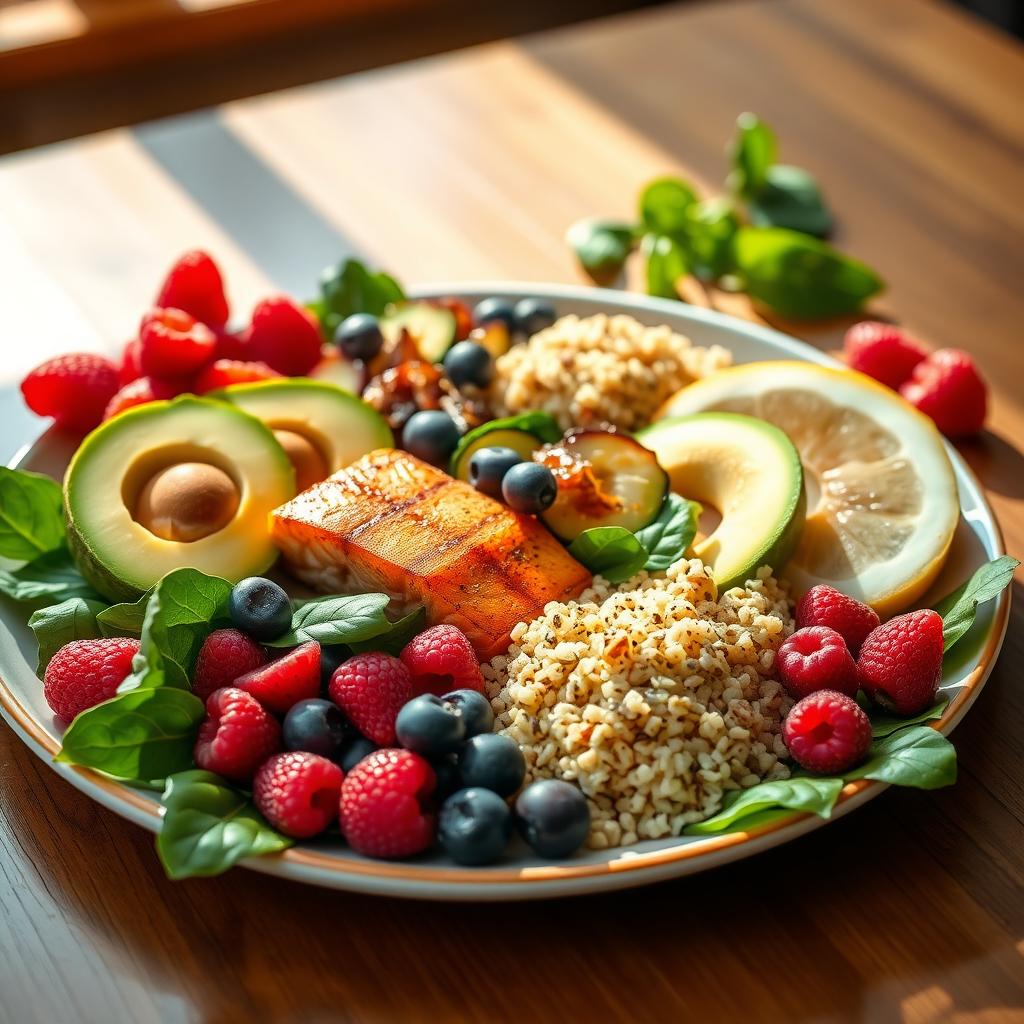
The Role of Nutrition in Fertility Health
The Role of Nutrition in Fertility Health cannot be overstated. A 2018 study from Harvard University found that women who followed a Mediterranean-style diet—rich in vegetables, fruits, nuts, and olive oil—had a 66% higher chance of successful IVF outcomes. Learn more about the Mediterranean diet’s impact on fertility. This diet reduces inflammation, which can interfere with ovulation and implantation.
Folate, found in leafy greens and beans, is critical for DNA synthesis and preventing birth defects. Iron supports oxygen delivery to reproductive organs, while omega-3s, found in fatty fish like salmon, improve egg quality. For men, antioxidants like vitamin C and E protect sperm from oxidative stress. A simple way to start? Add a daily smoothie with spinach, berries, and flaxseeds.
Fertility Preservation Options for Women Over 40
As women age, fertility naturally declines due to fewer and lower-quality eggs. Fertility Preservation Options for Women Over 40 include egg freezing, embryo freezing, and ovarian tissue preservation. Egg freezing, or oocyte cryopreservation, allows women to store healthy eggs for future use. According to the American Society for Reproductive Medicine, the success rate for live births from frozen eggs is about 30-40% per cycle for women under 40. Explore fertility preservation techniques.
Nutrition supports these efforts. A diet rich in antioxidants can protect eggs from oxidative damage, which increases with age. Women over 40 should prioritize foods like berries, nuts, and dark chocolate. Staying hydrated and maintaining a healthy weight also improve outcomes during fertility treatments.

Top Fertility-Boosting Recipes
Incorporating Top Fertility-Boosting Recipes into your diet is a delicious way to support reproductive health. Here are three easy recipes to try:
- Avocado Toast with Poached Eggs: Mash avocado with lemon juice, spread on whole-grain toast, and top with a poached egg. Avocados provide healthy fats, while eggs offer protein and choline.
- Salmon and Quinoa Bowl: Grill salmon, serve over quinoa with steamed broccoli, and drizzle with olive oil. Salmon is rich in omega-3s, and quinoa provides complex carbs.
- Berry Antioxidant Smoothie: Blend spinach, mixed berries, Greek yogurt, and flaxseeds. This smoothie is packed with folate and antioxidants.
These recipes are simple, nutrient-dense, and easy to prepare. They provide the building blocks for hormone balance and reproductive health. Try meal prepping to make healthy eating a habit, especially during busy weeks.
Lifestyle Factors Beyond Diet
Nutrition is just one piece of the fertility puzzle. Stress, sleep, and exercise also play a role. Chronic stress can disrupt hormones like cortisol, which affects ovulation. Aim for 7-8 hours of sleep nightly to regulate reproductive hormones. Moderate exercise, like walking or yoga, boosts circulation to reproductive organs without overtaxing the body.
Smoking and excessive alcohol are fertility killers. A 2020 study from the National Institutes of Health linked smoking to a 20% reduction in fertility for both men and women. Read more about lifestyle impacts on fertility. Cutting back on these habits can improve your chances of conception.

Practical Tips for Couples
If you’re trying to conceive, both partners should focus on nutrition. Men can boost sperm quality by eating foods rich in zinc, like oysters and pumpkin seeds. Couples should aim to eat together, making meals a shared ritual. Track your nutrient intake using apps like MyFitnessPal to ensure you’re getting enough folate, iron, and omega-3s.
Consider consulting a dietitian specializing in fertility. They can create a personalized plan based on your health needs. For women over 40, combining nutrition with fertility preservation for women over 40 strategies, like egg freezing, can maximize your options.
Common Myths About Fertility and Nutrition
There’s a lot of misinformation out there. One myth is that certain foods, like pineapple, can directly boost implantation. While pineapple contains bromelain, which may reduce inflammation, there’s no direct evidence it improves fertility. Another myth is that low-carb diets are best for everyone. Carbs from whole grains provide energy for reproductive processes, so don’t cut them out entirely.
Summary
Nutrition is a powerful tool for improving fertility and supporting reproductive health. By focusing on nutrient-dense foods, managing stress, and exploring Fertility Preservation Options for Women Over 40, you can take charge of your fertility journey. Start small with recipes like a berry smoothie or salmon bowl, and consult a professional for personalized advice. A healthy diet and lifestyle can pave the way for a successful pregnancy.