Understanding Male Infertility: Causes and Solutions
Nov. 30, 2025, 6:35 a.m.
Male infertility affects millions of couples worldwide, often silently. In this article, we dive into what causes it, from everyday factors to complex conditions like azoospermia. You'll find practical solutions, real stories, and steps to take next. Whether you're starting a family or supporting a loved one, knowledge empowers you.
Let's start with the basics. Infertility isn't just a woman's issue—men contribute to about half of all cases. But there's hope. Many men overcome it with the right approach.

What Is Male Infertility?
Picture this: You've been trying to conceive for a year without success. That's when infertility enters the conversation. Male infertility means a man's sperm can't fertilize an egg effectively. It could be low sperm count, poor motility, or no sperm at all—a condition called azoospermia.
I remember a friend, Mike, who faced this head-on. He felt shocked at first, like it was a personal failure. But learning the facts turned fear into action. You're not alone in this.
Doctors diagnose it through semen analysis, blood tests, and ultrasounds. Early detection matters because solutions exist.
Common Causes of Male Infertility
Causes vary, but they often boil down to lifestyle, medical history, or environmental factors. Let's break them down.
Lifestyle Factors
Your daily habits play a big role. Smoking damages sperm DNA. Heavy drinking lowers production. Even tight underwear or hot baths can raise scrotal temperature, harming sperm.
Obesity adds risk too. Extra weight disrupts hormones like testosterone. Exercise helps, but overdoing it—like intense cycling—might backfire.
| Lifestyle Factor | Impact on Sperm | Quick Fix |
|---|---|---|
| Smoking | Reduces count by 20% | Quit with support apps |
| Alcohol | Lowers motility | Limit to 1-2 drinks/week |
| Stress | Affects hormone balance | Try meditation or yoga |
| Poor Diet | Weakens quality | Eat nuts, fruits, veggies |
Mike cut out his nightly beers and started walking daily. Small changes, big differences.

Medical Conditions
Varicoceles—swollen veins in the scrotum—affect 15% of men and block sperm flow. Infections, like untreated STIs, scar reproductive tubes.
Hormone imbalances from pituitary issues or thyroid problems disrupt production. Genetic conditions, such as Klinefelter syndrome, alter chromosomes.
Then there's azoospermia, where semen has zero sperm. It splits into obstructive (blockages) and non-obstructive (production failure). About 1% of men have it, but it's treatable.
Environmental and Age-Related Risks
Chemicals in pesticides or plastics mimic estrogen, throwing off balance. Radiation or chemotherapy from cancer treatment hits hard too.
Age creeps in after 40, slowing sperm quality. It's not inevitable, though—many dads start families later.
From my chats with guys in support groups, environmental tweaks like switching to glass bottles helped some feel proactive.
Understanding Azoospermia and Sperm Retrieval Techniques
Azoospermia feels daunting, but it's not a dead end. If tests show no sperm, don't panic. Specialists dig deeper.
Obstructive azoospermia often stems from past infections or surgery. Here, sperm exists but can't exit. Non-obstructive means the testes aren't producing enough.
Sperm retrieval techniques shine here. Micro-TESE (microdissection testicular sperm extraction) uses a microscope to find and extract sperm directly from tissue. Success rates hit 60% for non-obstructive cases.
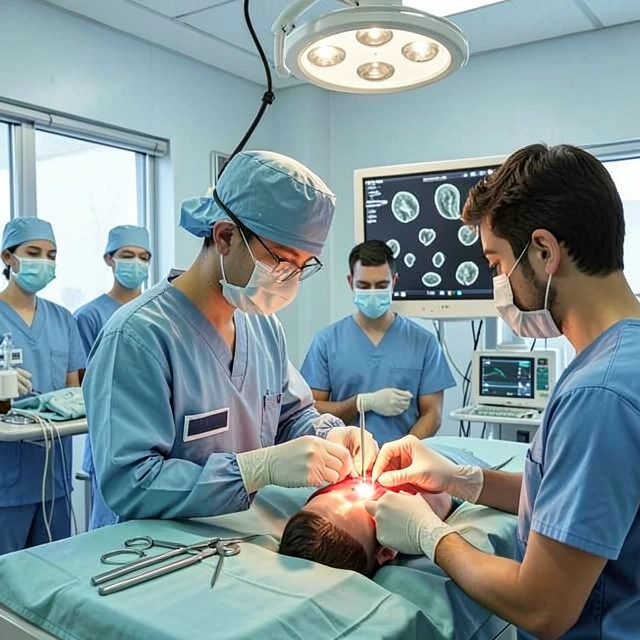
Another option: PESA or TESA, less invasive needle extractions. These sperm can fertilize eggs via IVF/ICSI, where a single sperm meets the egg in a lab.
Take Alex's story. Diagnosed with obstructive azoospermia at 35, he underwent TESE. Months later, his wife held their baby girl. 'It was scary, but worth every step,' he shared.
Always consult a urologist specializing in fertility. They tailor plans, weighing risks like infection (under 5%).
Solutions and Treatments for Male Infertility
Good news: 50% of cases improve with treatment. Start with your doctor for a full workup.
Lifestyle Overhauls
Boost fertility naturally first. Aim for 7-9 hours of sleep—sperm regenerates overnight. Supplements like zinc or CoQ10 show promise, but check with a pro.
A Mediterranean diet rich in antioxidants fights oxidative stress. Couples therapy eases emotional strain too.
Medical Interventions
Surgery fixes varicoceles in 70% of cases, doubling pregnancy rates. Hormone therapy corrects imbalances.
For azoospermia, retrieval plus assisted reproduction works wonders. Donor sperm is an option if needed, but many prefer their own.
| Treatment | Best For | Success Rate |
|---|---|---|
| Varicocele Repair | Vein issues | 40-60% improvement |
| Micro-TESE | Azoospermia | 50-60% sperm found |
| IVF/ICSI | Low motility | 30-50% live birth |
| Lifestyle Changes | Mild cases | 20-30% boost |
Emerging Options
Stem cell research and gene editing hold future promise. For now, focus on proven paths.
I advise tracking progress with follow-up tests every 3 months. Patience pays off.
One couple I know tried everything. After lifestyle tweaks and surgery, they conceived naturally. Stories like theirs inspire.
Emotional Side of Male Infertility
It's tough on the ego. Men often hide it, fearing judgment. But opening up builds strength.
Join online forums or local groups. Share laughs, tears, wins. My friend Mike found camaraderie that lightened his load.
Partners, listen without fixing. Together, you're unstoppable.
When to Seek Help
If under 35, try a year. Over 35? Six months max. See a specialist sooner if history flags risks.
Resources like the American Urological Association (https://www.auanet.org/) offer guides. Resolve.org supports emotionally.
Act now—delays cost time, but hope never does.
Wrapping It Up
Understanding male infertility: causes and solutions means facing facts with optimism. From azoospermia and sperm retrieval techniques to simple habit shifts, paths forward exist. You've got this—one step, one consultation at a time. Celebrate progress, however small.
Remember Mike and Alex? Their journeys prove resilience wins. Consult experts, lean on loved ones, and keep hoping.