The Fertility Diet: Natural Ways to Boost Ovulation and Improve Your Chances of Getting Pregnant
Aug. 17, 2025, 6:35 a.m.
Overview: A Path to Parenthood Through Nutrition
Struggling to conceive can feel overwhelming, but groundbreaking research offers hope. The Fertility Diet: Groundbreaking Research Reveals Natural Ways to Boost Ovulation and Improve Your Chances of Getting Pregnant highlights how simple dietary changes can enhance fertility. This article explores the science, practical tips, and what to expect at a fertility clinic to support your journey.
Understanding Infertility: The Starting Point
Infertility affects about 1 in 8 couples, often causing emotional and physical stress. Understanding Infertility: A Comprehensive Guide emphasizes that infertility isn’t just a medical issue—it’s a deeply personal one. Factors like hormonal imbalances, stress, or lifestyle choices can play a role. For women, ovulation issues are a common culprit, while men may face challenges with sperm health. The good news? Diet can make a difference.
Research from Harvard University shows that specific foods and nutrients can improve ovulation and reproductive health. By focusing on whole foods, healthy fats, and balanced carbs, you can support your body’s natural fertility processes. Let’s dive into the key findings of The Fertility Diet and how they can help.
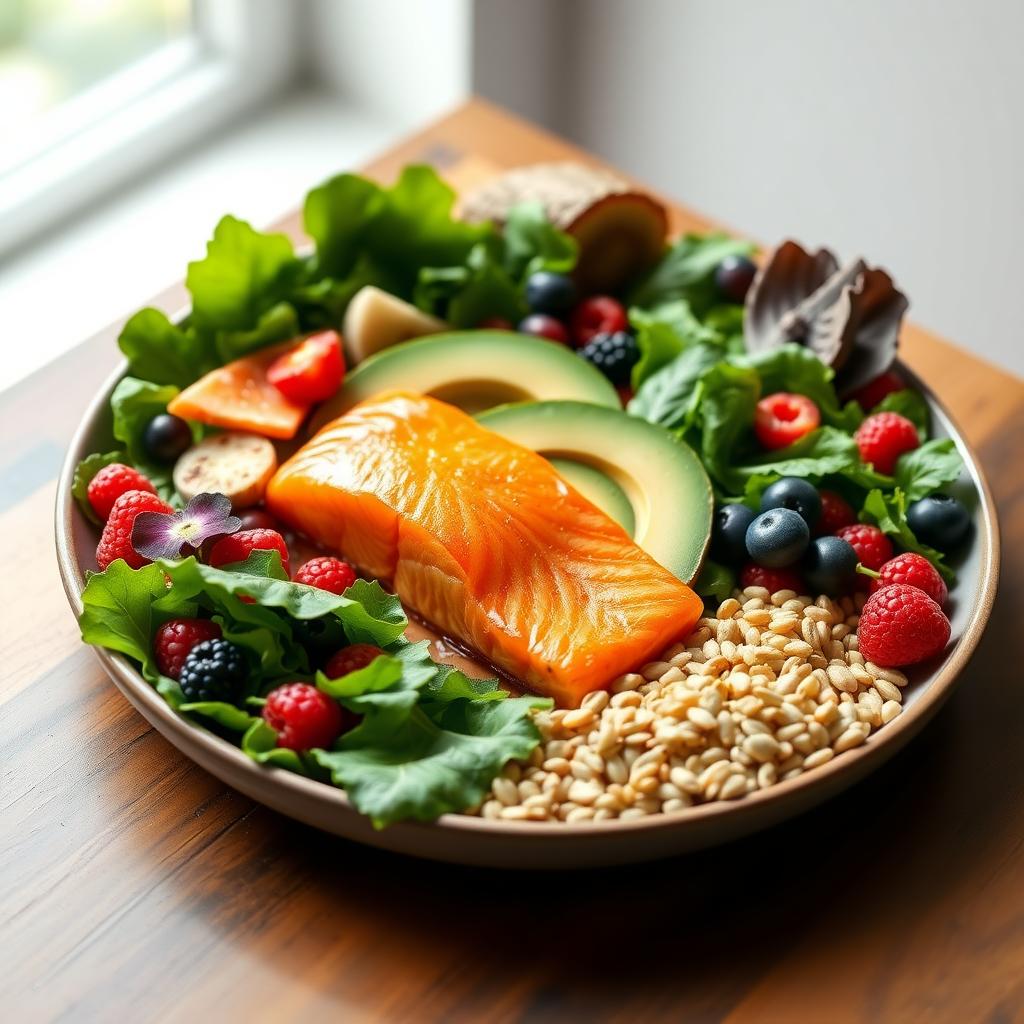
The Science Behind The Fertility Diet
The Fertility Diet, based on the Nurses’ Health Study, tracked thousands of women to uncover dietary patterns linked to better fertility. Published by Harvard researchers, the study found that women who ate more plant-based proteins, full-fat dairy, and healthy fats had higher ovulation rates. Here’s what stood out:
- Plant-Based Proteins: Beans, lentils, and nuts support ovulation better than red meat.
- Healthy Fats: Avocados, olive oil, and nuts provide essential fatty acids for hormone production.
- Full-Fat Dairy: Surprisingly, whole milk and yogurt were linked to better fertility compared to skim milk.
- Low-Glycemic Carbs: Whole grains like quinoa and brown rice stabilize blood sugar, reducing ovulation disruptions.
These findings, detailed in a Harvard T.H. Chan School of Public Health study, suggest that small dietary shifts can have a big impact. For example, swapping a burger for a lentil salad a few times a week could improve your chances of conceiving.
Practical Tips to Follow The Fertility Diet
Adopting The Fertility Diet doesn’t mean overhauling your life. Start with these actionable steps:
- Eat More Plants: Aim for 5-7 servings of vegetables and fruits daily. Leafy greens like spinach and kale are rich in folate, which supports egg quality.
- Choose Healthy Fats: Add avocado to your toast or drizzle olive oil on salads. Avoid trans fats found in processed snacks.
- Switch to Whole Grains: Replace white bread with whole-grain options to keep blood sugar stable.
- Incorporate Full-Fat Dairy: Try Greek yogurt or whole milk in moderation. One serving a day may help.
- Limit Sugar and Caffeine: High sugar intake can disrupt hormones, and excessive caffeine (over 300 mg daily) may reduce fertility.
These changes felt daunting to me at first, but starting small—like adding a handful of nuts to my snacks—made it manageable. Over time, I noticed more energy and felt empowered knowing I was supporting my body’s fertility.

Lifestyle Factors That Complement The Fertility Diet
Diet is just one piece of the puzzle. The Fertility Diet also emphasizes lifestyle changes to boost ovulation:
- Maintain a Healthy Weight: Being underweight or overweight can disrupt ovulation. A Mayo Clinic guide notes that a BMI between 18.5 and 24.9 is ideal for fertility.
- Exercise Moderately: Aim for 30 minutes of moderate activity, like walking or yoga, most days. Overdoing it can stress your body and harm fertility.
- Manage Stress: High stress levels can interfere with ovulation. Practices like meditation or journaling helped me feel more in control.
- Sleep Well: Aim for 7-9 hours of quality sleep to regulate hormones.
I found that combining these habits with The Fertility Diet created a sense of balance. It wasn’t just about food—it was about nurturing my whole self.
What to Expect at a Fertility Clinic
If dietary and lifestyle changes aren’t enough, visiting a fertility clinic can provide clarity. Knowing what to expect at a fertility clinic can ease anxiety. Here’s a breakdown:
| Step | Description |
|---|---|
| Initial Consultation | Discuss medical history, lifestyle, and concerns with a specialist. |
| Testing | Blood tests, ultrasounds, or semen analysis to identify issues. |
| Treatment Plan | Options like ovulation induction, IUI, or IVF may be suggested. |
| Follow-Up | Regular appointments to monitor progress and adjust plans. |
A Cleveland Clinic resource explains that clinics tailor treatments to your unique needs. My first visit felt overwhelming, but the staff’s compassion made it easier. They explained every test and gave me hope, even when results weren’t immediate.

Personal Insights: My Journey with The Fertility Diet
When I first learned about infertility, I felt powerless. Reading about The Fertility Diet gave me a sense of agency. I started small, swapping processed snacks for almonds and adding spinach to my smoothies. Over months, I felt healthier, and my cycles became more regular. While I’m still on my journey to parenthood, these changes have made me feel proactive.
Talking to others, I realized everyone’s experience is unique. Some friends saw results quickly, while others combined diet with fertility treatments. The key is patience and consistency. If you’re feeling stuck, a fertility clinic can offer expert guidance alongside dietary changes.
Common Myths About Fertility and Diet
Misinformation can add stress to an already tough journey. Here are myths to avoid:
- Myth: You must go vegan to boost fertility. Truth: Plant-based proteins help, but moderate animal proteins like fish are fine.
- Myth: All fats are bad. Truth: Healthy fats like omega-3s are crucial for hormone health.
- Myth: Diet alone guarantees pregnancy. Truth: Diet improves chances but may need to be paired with medical support.
A Johns Hopkins Medicine article reinforces that diet is a tool, not a cure-all. Combining it with medical advice maximizes your chances.
Summary: Take Control of Your Fertility Journey
The Fertility Diet: Groundbreaking Research Reveals Natural Ways to Boost Ovulation and Improve Your Chances of Getting Pregnant offers a hopeful, science-backed approach to fertility. By focusing on plant-based proteins, healthy fats, and lifestyle balance, you can support ovulation and overall health. Visiting a fertility clinic can provide personalized support if needed. Small, consistent changes can make a big difference—start today and take control of your journey.