Fertility Preservation Options: A Comprehensive Guide to Your Future
Aug. 14, 2025, 5:21 p.m.
Overview
Fertility preservation options give people the chance to protect their ability to have children later in life. Whether you're facing medical treatments, career demands, or personal choices, these methods—like egg freezing, sperm banking, and embryo freezing—offer hope and flexibility. This guide dives into the details, sharing real insights and practical advice.
Why Consider Fertility Preservation?
Life doesn’t always follow a straight path. Sometimes, you’re not ready to start a family when your body is at its reproductive peak. Maybe you’re undergoing cancer treatment, which can harm fertility, or you’re focusing on a career that leaves little room for parenting right now. Fertility preservation options let you hit pause on your biological clock.
For many, the decision feels deeply personal. I’ve spoken with friends who chose egg freezing in their 30s because they wanted to keep their options open. Others, like a colleague whose cancer diagnosis came out of nowhere, turned to sperm banking to preserve hope for a family post-treatment. These stories highlight a common thread: fertility preservation is about taking control of your future.
Common Fertility Preservation Options
Let’s break down the main fertility preservation options available today. Each method has its own process, benefits, and considerations. Here’s a closer look:
Egg Freezing (Oocyte Cryopreservation)
Egg freezing involves retrieving eggs from the ovaries and freezing them for future use. It’s popular among women who want to delay motherhood, whether for personal, professional, or medical reasons. The process starts with hormone injections to stimulate the ovaries, followed by a minor procedure to collect the eggs. Those eggs are then frozen and stored until you’re ready to use them.
Pros: - Offers flexibility for women who aren’t ready to conceive. - Can be used years later with IVF (in vitro fertilization). - Helpful for those facing treatments like chemotherapy that may impact fertility.
Cons: - Requires hormone treatments, which can be physically and emotionally taxing. - Success rates depend on age and egg quality—younger is often better. - Costs can be high, often $10,000-$15,000 per cycle, plus storage fees.
Sperm Banking
Sperm banking is a straightforward option for men. You provide a sperm sample, which is frozen and stored for future use. It’s common for men facing cancer treatments, gender-affirming surgeries, or those who want to delay fatherhood.
Pros: - Simple, non-invasive process. - Affordable compared to egg freezing, typically $1,000-$2,000 initially. - Long-term storage with high success rates for future use.
Cons: - Requires multiple samples for best results. - Some men feel uncomfortable with the collection process.
Embryo Freezing
Embryo freezing involves fertilizing eggs with sperm (via IVF) to create embryos, which are then frozen. This is often chosen by couples or individuals using a partner’s or donor’s sperm. It’s highly effective but requires a decision about whose sperm to use upfront.
Pros: - Higher success rates than egg freezing because embryos are more stable. - Ideal for couples planning a family together later.
Cons: - Requires a partner or donor decision at the time of freezing. - More complex and costly than sperm banking, often $12,000-$20,000.
Ovarian Tissue Freezing
This newer method involves removing and freezing ovarian tissue, which can later be reimplanted to restore fertility. It’s mainly used for prepubescent girls or women who can’t delay cancer treatment for egg freezing.
Pros: - Doesn’t require hormone stimulation, so it’s faster. - Promising for young patients or those with urgent medical needs.
Cons: - Still experimental in some cases, with fewer long-term success stories. - Requires surgery, which carries risks.

Who Should Consider Fertility Preservation?
Fertility preservation isn’t just for one type of person—it’s for anyone who wants to keep their options open. Here are some groups who might benefit:
- People Facing Medical Treatments: Cancer treatments like chemotherapy or radiation can damage eggs or sperm. Fertility preservation offers a way to plan for life after treatment.
- Career-Driven Individuals: Many women and men delay starting a family to focus on their careers. Freezing eggs or sperm lets them prioritize work without sacrificing future family plans.
- LGBTQ+ Individuals: Transgender individuals may preserve eggs or sperm before hormone therapy or surgeries. Same-sex couples might use embryo freezing with donor gametes.
- Those Waiting for the Right Time: If you’re not ready for kids but want them someday, fertility preservation buys time.
I remember talking to a friend who froze her eggs at 35. She said it felt like a weight lifted—she could date without the pressure of a ticking clock. That sense of empowerment is a common theme among those who choose preservation.
What to Expect from the Process
The journey of fertility preservation varies by method, but here’s a general overview:
- Consultation: You’ll meet with a fertility specialist to discuss your goals and health. They’ll run tests (like hormone levels or semen analysis) to assess your fertility.
- Preparation: For egg or embryo freezing, women may take hormone injections for 10-14 days to stimulate egg production. Men simply provide samples.
- Collection: Eggs are retrieved via a quick outpatient procedure under sedation. Sperm is collected in a private setting.
- Freezing and Storage: Eggs, sperm, or embryos are frozen using advanced cryopreservation techniques and stored in secure facilities.
- Future Use: When you’re ready, frozen eggs or embryos can be used in IVF, and sperm can be used for insemination or IVF.
The emotional side can be just as significant. A cousin who went through egg freezing described it as a rollercoaster—exciting but nerve-wracking. She wished she’d known more about the hormone injections’ side effects, like mood swings and bloating. Being prepared helps.
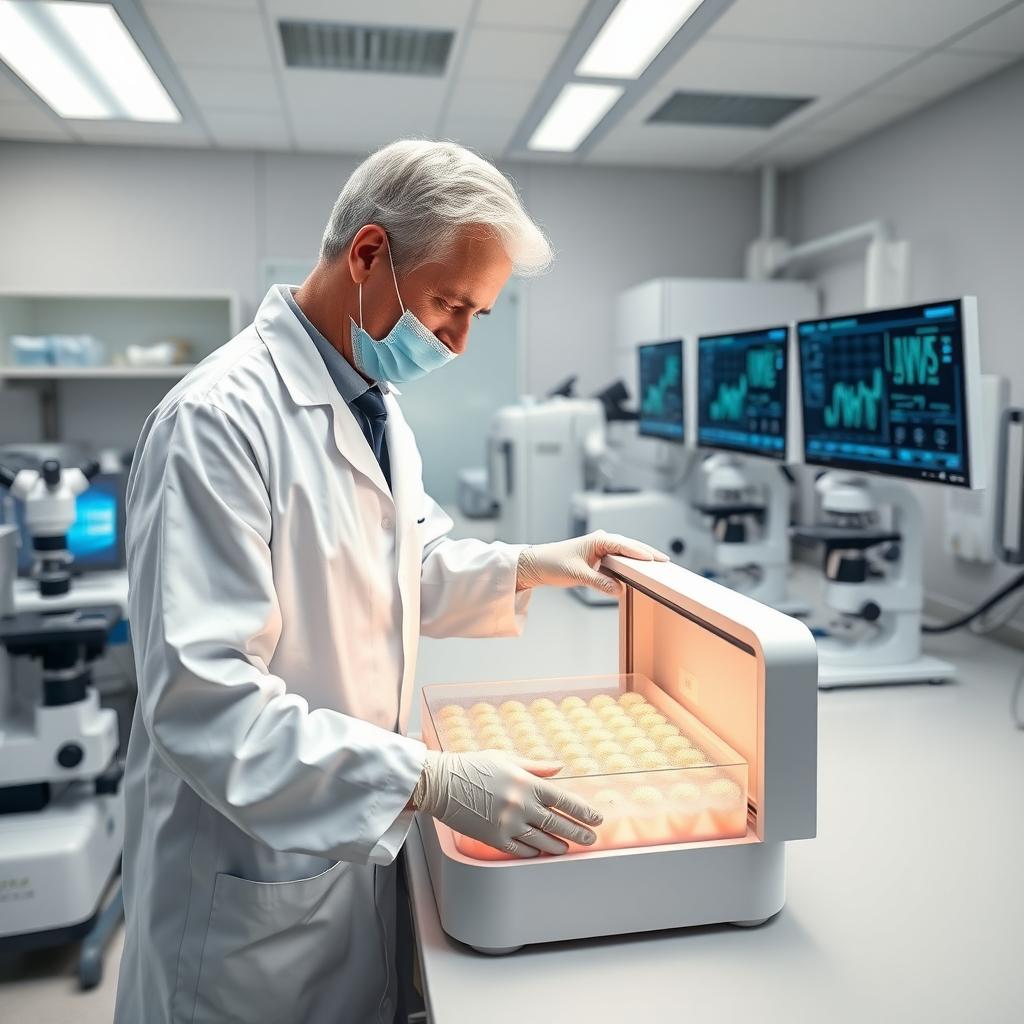
Costs and Accessibility
Fertility preservation can be expensive, but costs vary widely:
| Method | Estimated Cost (USD) | Notes |
|---|---|---|
| Egg Freezing | $10,000-$15,000 | Per cycle, plus $500-$1,000/year storage |
| Sperm Banking | $1,000-$2,000 | Initial cost, plus $200-$500/year storage |
| Embryo Freezing | $12,000-$20,000 | Includes IVF, plus storage fees |
| Ovarian Tissue Freezing | $10,000-$15,000 | Experimental, may not be covered |
Insurance coverage is spotty. Some plans cover fertility preservation for medical reasons (like cancer), but elective procedures are often out-of-pocket. Check with your provider or explore financing options. Organizations like Resolve offer resources to navigate costs.
Accessibility is another hurdle. Rural areas may lack fertility clinics, forcing travel. A friend in a small town had to drive three hours for each appointment, adding stress to an already intense process.
Success Rates and Realities
Success depends on factors like age, health, and the method used. For egg freezing, women under 35 have the best chances—about 40-50% per cycle when eggs are later used in IVF. Sperm banking has high success rates, as frozen sperm remains viable for decades. Embryo freezing often yields the best outcomes, with success rates up to 60% per transfer for younger patients.
But it’s not a guarantee. I’ve heard stories of people who felt let down when their frozen eggs didn’t result in pregnancy. It’s important to go in with realistic expectations and a clear understanding of the odds. Talking to a counselor or support group can help.

Emotional and Ethical Considerations
Fertility preservation can stir up big emotions. Some feel empowered, while others grapple with anxiety or guilt. A single friend worried she was ‘giving up’ on finding a partner by freezing her eggs. Couples using embryo freezing might face tough decisions about unused embryos later.
Ethically, some question the commercialization of fertility or the fate of frozen embryos. It’s worth reflecting on your values and discussing them with a trusted advisor or therapist. Support groups, like those offered by FertilityIQ, can also provide a safe space to share.
Summary
Fertility preservation options like egg freezing, sperm banking, embryo freezing, and ovarian tissue freezing offer hope for those who want to plan their reproductive future. Each method has unique benefits and challenges, but they all share a common goal: giving you control over when and how you start a family. By understanding the process, costs, and emotional aspects, you can make a choice that feels right for you. Always consult with a fertility specialist to tailor the approach to your needs.