The PCOS Diet: What to Eat and Avoid
Aug. 13, 2025, 6:42 a.m.
Overview: Navigating PCOS with the Right Diet
Polycystic Ovary Syndrome (PCOS) affects millions of women worldwide, causing hormonal imbalances that can lead to weight gain, irregular periods, and fertility challenges. The PCOS Diet: What to Eat and Avoid is a practical approach to managing symptoms through nutrition and lifestyle changes. This guide offers actionable insights to help you take control of your health.
Understanding PCOS: Symptoms, Causes, and Management
PCOS is a hormonal disorder that disrupts ovulation, often leading to irregular menstrual cycles, excess hair growth, acne, and weight gain. Its exact cause isn’t fully understood, but genetics, insulin resistance, and inflammation play significant roles. Managing PCOS involves addressing these root causes through diet, exercise, and medical support.
For many women, insulin resistance is a key factor. When your body doesn’t respond well to insulin, it produces more, which can increase androgen levels, worsening PCOS symptoms. A balanced diet can help regulate blood sugar and reduce these effects, making nutrition a cornerstone of Lifestyle Adjustments to Support PCOS Management.
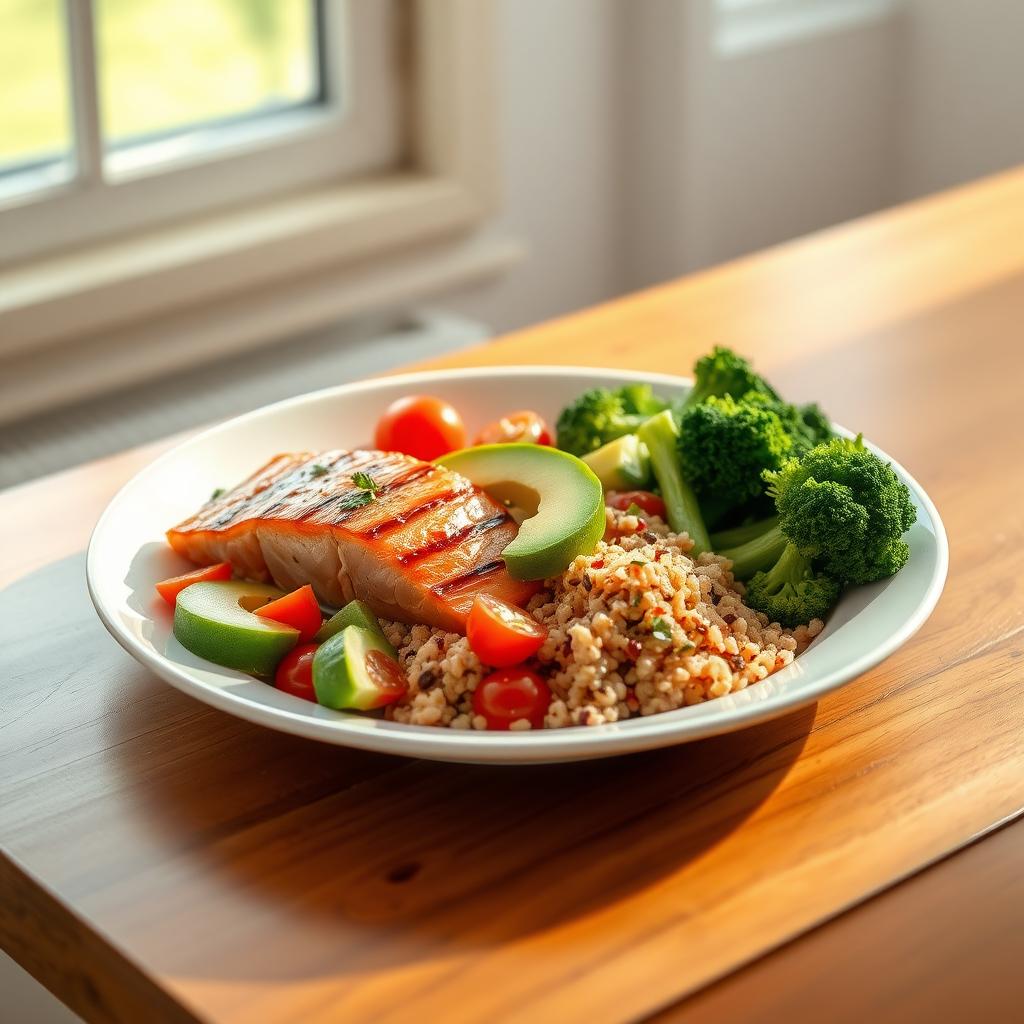
The PCOS Diet: What to Eat
A PCOS-friendly diet focuses on whole, nutrient-dense foods that stabilize blood sugar, reduce inflammation, and support hormonal balance. Here’s what to prioritize:
- High-Fiber Carbohydrates: Choose complex carbs like quinoa, brown rice, and oats. These release energy slowly, preventing blood sugar spikes.
- Lean Proteins: Include chicken, turkey, fish, eggs, and plant-based options like tofu. Protein helps you feel full and supports muscle health.
- Healthy Fats: Avocados, nuts, seeds, and olive oil reduce inflammation and promote satiety.
- Low-Glycemic Fruits: Berries, apples, and pears have less impact on blood sugar compared to high-sugar fruits like bananas.
- Vegetables: Load up on leafy greens, broccoli, and cauliflower for fiber and essential nutrients.
A 2018 study published in the Journal of Clinical Endocrinology & Metabolism found that a low-glycemic diet improved insulin sensitivity in women with PCOS, highlighting the importance of food choices (https://academic.oup.com/jcem).
Foods to Avoid with PCOS
Certain foods can worsen PCOS symptoms by spiking blood sugar or increasing inflammation. Here’s what to limit or avoid:
- Refined Carbohydrates: White bread, pasta, and sugary cereals cause rapid blood sugar spikes.
- Sugary Drinks and Snacks: Sodas, energy drinks, and candies contribute to insulin resistance.
- Processed Foods: Fast food and packaged snacks often contain unhealthy fats and additives.
- High-Glycemic Fruits: Limit tropical fruits like mangoes and pineapples.
- Excess Dairy: Some studies suggest dairy can increase androgen levels, worsening acne and hair growth.
Moderation is key. You don’t need to eliminate these foods entirely, but reducing them can make a big difference.

Sample Meal Plan for PCOS
Here’s a simple one-day meal plan to get you started:
| Meal | Menu |
|---|---|
| Breakfast | Greek yogurt with mixed berries, chia seeds, and a drizzle of honey |
| Lunch | Grilled chicken salad with spinach, avocado, cucumber, and olive oil dressing |
| Snack | A handful of almonds and an apple |
| Dinner | Baked salmon with quinoa and steamed broccoli |
This plan balances protein, fiber, and healthy fats to keep you satisfied and support hormone regulation.
Lifestyle Adjustments to Support PCOS Management
Diet is only part of the equation. Combining nutrition with lifestyle changes can amplify your results. Here are some tips:
- Exercise Regularly: Aim for 30 minutes of moderate activity, like brisk walking or yoga, most days. Strength training can also improve insulin sensitivity.
- Manage Stress: Chronic stress raises cortisol, which can worsen PCOS symptoms. Try meditation or deep breathing exercises.
- Get Enough Sleep: Aim for 7-9 hours nightly to support hormonal balance.
- Stay Hydrated: Drink plenty of water to aid digestion and overall health.
These adjustments, combined with a PCOS-friendly diet, create a holistic approach to symptom management.

What to Know About Fertility Treatments
PCOS is a leading cause of infertility due to irregular ovulation. If you’re trying to conceive, understanding Fertility Options for Women with PCOS is crucial. Common treatments include:
- Medications: Drugs like Clomiphene or Letrozole stimulate ovulation. Consult your doctor for personalized advice.
- In Vitro Fertilization (IVF): For some, IVF may be an option if medications don’t work.
- Lifestyle Changes: Weight loss (even 5-10% of body weight) can restore ovulation in some women.
A 2020 study in Fertility and Sterility showed that lifestyle interventions improved ovulation rates in women with PCOS (https://www.fertstert.org). Always discuss options with a fertility specialist to find the best path for you.
Personal Insights: Living with PCOS
As someone who’s seen friends navigate PCOS, I’ve witnessed the frustration of unpredictable cycles and the hope that comes with small changes. One friend found that cutting out sugary drinks and adding daily walks made her feel more energized and regular. Another leaned on a supportive community to share recipes and tips. These stories remind us that while PCOS is challenging, it’s manageable with the right tools and mindset.
Experiment with what works for you. Keep a food diary to track how your body responds to different meals. Small, consistent changes often lead to big results.
Summary: Taking Control of PCOS
The PCOS Diet: What to Eat and Avoid is about empowering yourself with choices that support your health. By focusing on whole foods, limiting processed items, and embracing lifestyle changes, you can manage PCOS symptoms effectively. Whether you’re aiming to regulate your cycle or improve fertility, a balanced approach makes all the difference. Stay consistent, be patient, and consult professionals for personalized guidance.