Understanding Fertility Hormone Injections and Their Administration
Aug. 21, 2025, 5:21 p.m.
Overview
Fertility hormone injections are a cornerstone of many infertility treatments, helping countless individuals and couples achieve their dream of starting a family. These fertility drugs stimulate the reproductive system to produce eggs, regulate ovulation, or support pregnancy. This article dives into how fertility hormone injections work, their administration, and what to expect, blending expert knowledge with real-world insights.
What Are Fertility Hormone Injections?
Fertility hormone injections are medications designed to boost the body’s reproductive processes. They’re often prescribed for women facing ovulation challenges or men with low sperm production. These fertility drugs mimic or enhance natural hormones like follicle-stimulating hormone (FSH), luteinizing hormone (LH), or human chorionic gonadotropin (hCG). By regulating or stimulating ovulation, they increase the chances of conception, whether through timed intercourse, intrauterine insemination (IUI), or in vitro fertilization (IVF).
For many, the decision to start fertility hormone injections comes after months or years of trying to conceive. I remember speaking with a friend who felt overwhelmed at first, unsure about injecting herself daily. But with guidance from her doctor and a bit of practice, it became a manageable part of her routine. That’s a common experience—nerves give way to confidence with the right support.
Common Types of Fertility Hormone Injections
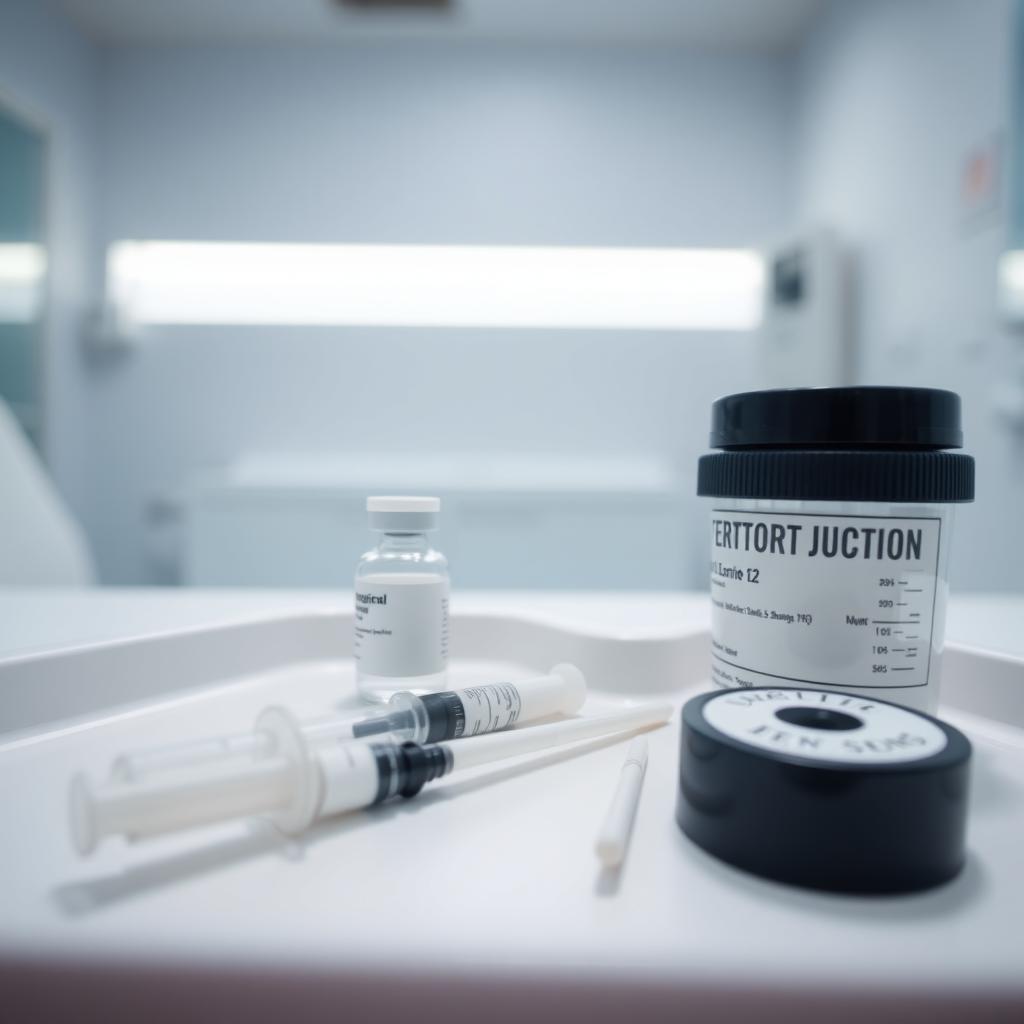
Fertility hormones come in various forms, each targeting specific aspects of reproduction. Here’s a breakdown of the most common types:
- Follicle-Stimulating Hormone (FSH): Stimulates egg development in the ovaries. Common brands include Gonal-F and Follistim.
- Luteinizing Hormone (LH): Triggers ovulation. Often combined with FSH in medications like Menopur.
- Human Chorionic Gonadotropin (hCG): Mimics the LH surge to prompt egg release. Ovidrel is a popular option.
- Gonadotropin-Releasing Hormone (GnRH) Agonists/Antagonists: Regulate hormone production to prevent premature ovulation. Examples include Lupron and Cetrotide.
Each drug has a specific role, and doctors tailor treatment plans to individual needs. According to the American Society for Reproductive Medicine, about 1 in 8 couples in the U.S. struggle with infertility, and fertility hormone injections are a key tool in addressing it.
How Are Fertility Hormone Injections Administered?
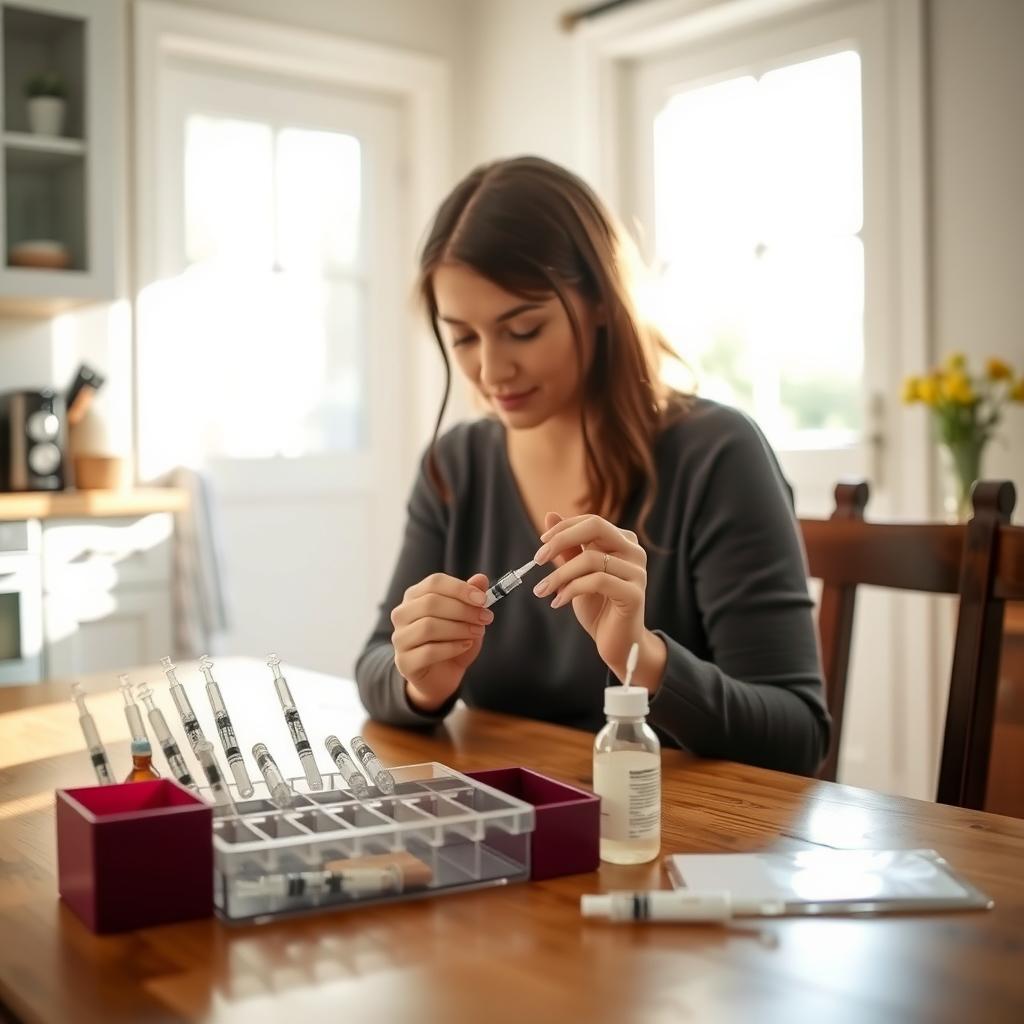
Administering fertility hormone injections can feel daunting, but it’s a skill most people can learn. Most injections are subcutaneous (under the skin) or intramuscular (into the muscle), depending on the drug. Here’s a step-by-step look at the process:
- Preparation: Wash hands thoroughly and gather supplies—syringe, needle, medication vial, alcohol swabs, and a sharps container.
- Mixing Medication: Some drugs, like Menopur, require mixing powder with a diluent. Follow your doctor’s instructions carefully.
- Choosing the Injection Site: Common sites include the abdomen or thigh for subcutaneous shots or the upper buttock for intramuscular ones.
- Cleaning the Area: Use an alcohol swab to sterilize the skin.
- Injecting: Pinch the skin (for subcutaneous) or stretch it (for intramuscular), insert the needle at the correct angle, and inject slowly.
- Disposal: Place used needles in a sharps container for safe disposal.
A nurse or doctor will usually demonstrate the process during your first visit. My friend mentioned earlier? She found watching online tutorials from reputable clinics, like those provided by Mayo Clinic, incredibly helpful for building confidence.

What to Expect During Treatment
Starting fertility hormone injections is a big step, both physically and emotionally. Here’s what you might experience:
- Physical Side Effects: Common side effects include bloating, mild pain at the injection site, or mood swings due to hormonal changes. Severe side effects, like ovarian hyperstimulation syndrome (OHSS), are rare but serious. The National Institutes of Health notes that OHSS occurs in less than 5% of IVF cycles but requires immediate medical attention if symptoms like severe abdominal pain or shortness of breath appear.
- Emotional Rollercoaster: The process can be stressful. Many feel hopeful one day and anxious the next. Joining a support group or talking to others going through infertility treatments can make a big difference.
- Monitoring: Expect frequent clinic visits for ultrasounds and blood tests to track hormone levels and follicle growth. These appointments help doctors adjust dosages for optimal results.
One patient I spoke with described her treatment as a “marathon, not a sprint.” She leaned on her partner and a journal to process the highs and lows, which helped her stay grounded.
Tips for Managing Fertility Hormone Injections
Navigating fertility hormone injections and their administration takes practice, but these tips can ease the process:
- Create a Routine: Set a consistent time each day for injections to build a habit.
- Stay Organized: Use a calendar to track doses and appointments.
- Ask for Help: If injections feel overwhelming, ask a partner, friend, or nurse to assist.
- Manage Side Effects: Stay hydrated, eat balanced meals, and rest to minimize discomfort.
- Communicate with Your Doctor: Report any unusual symptoms immediately.
A study from the University of California, San Francisco emphasizes the importance of patient education in improving treatment outcomes. Knowing what to expect and how to prepare can reduce stress and improve success rates.
Who Can Benefit from Fertility Hormone Injections?
Fertility hormone injections are typically recommended for:
- Women with ovulation disorders, like polycystic ovary syndrome (PCOS).
- Couples undergoing assisted reproductive technologies, such as IVF or IUI.
- Men with low sperm count or motility issues, where hormones can stimulate sperm production.
Your doctor will assess your medical history, hormone levels, and fertility goals to determine if injections are right for you. It’s not a one-size-fits-all solution, but for many, it’s a game-changer. The emotional weight of infertility can be heavy, but seeing those first signs of progress—like growing follicles on an ultrasound—can spark real hope.
Challenges and Considerations
Fertility treatments aren’t without challenges. Injections can be expensive, with costs varying based on medication and dosage. Some insurance plans cover fertility drugs, but coverage varies widely. There’s also the time commitment—frequent clinic visits and daily injections can disrupt work or personal schedules.
Emotionally, the uncertainty of outcomes can be tough. Not every cycle results in pregnancy, and it’s okay to feel disappointed. Counseling or support groups can provide a safe space to process these feelings. I’ve seen friends find comfort in online communities where others share their infertility journeys, offering tips and encouragement.
Summary
Fertility hormone injections are a powerful tool for addressing infertility, offering hope to those struggling to conceive. From understanding the types of fertility drugs to mastering their administration, this guide has covered the essentials. With preparation, support, and expert guidance, the process becomes less intimidating and more empowering. If you’re considering fertility hormone injections, talk to your doctor, lean on your support system, and take it one step at a time.