Fertility Treatments Explained: From Medications to IVF
July 11, 2025, 7:23 a.m.
Fertility treatments can be a beacon of hope for many couples struggling to conceive. From medications that stimulate ovulation to advanced procedures like In Vitro Fertilization (IVF), these treatments offer various paths to parenthood. This article delves into the world of fertility treatments, explaining how they work, their effectiveness, and how they can help with conditions like Polycystic Ovary Syndrome (PCOS). Whether you're just starting to explore your options or are already on your fertility journey, this guide aims to provide clear, actionable insights.
Fertility treatments encompass a range of medical interventions designed to assist individuals and couples in achieving pregnancy. These treatments can be as straightforward as oral medications or as complex as IVF, which involves fertilizing an egg outside the body. Understanding these options is crucial, especially for those dealing with fertility challenges such as PCOS, a common hormonal disorder that can disrupt ovulation.
In this article, we'll explore the different types of fertility treatments, from the basics of ovarian stimulation to the intricate science behind IVF. We'll also discuss how these treatments can be tailored to address specific fertility issues, including those related to PCOS. By the end, you'll have a comprehensive understanding of the options available and how they might apply to your situation.
Fertility Medications: The First Step
Fertility medications are often the initial approach for many couples facing infertility. These drugs are designed to stimulate ovulation, making it easier for an egg to be released and fertilized. They are particularly effective for women who do not ovulate regularly, such as those with PCOS.
Common Fertility Medications
-
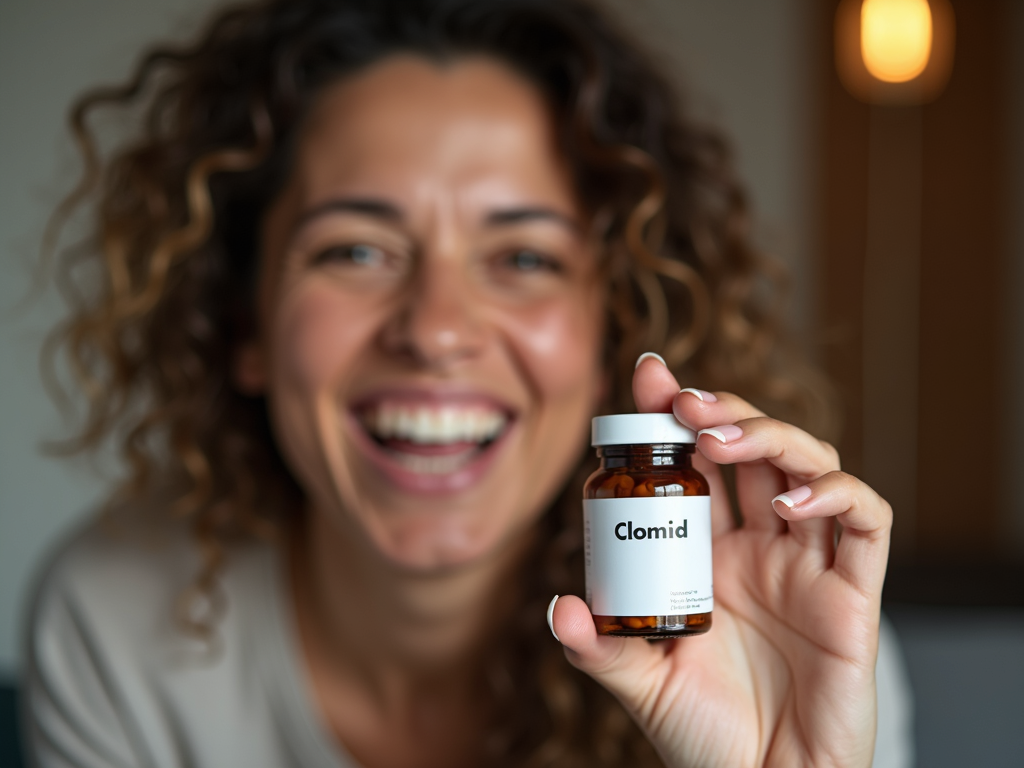
Clomiphene Citrate (Clomid): One of the most widely prescribed fertility drugs, Clomid works by blocking estrogen receptors in the brain, which tricks the body into producing more follicle-stimulating hormone (FSH). This stimulates the ovaries to produce one or more eggs.
-
Letrozole (Femara): Originally developed to treat breast cancer, Letrozole has been found to be effective in stimulating ovulation, especially in women with PCOS. It works by lowering estrogen levels, which prompts the body to increase FSH production.
-
Gonadotropins: These are injectable hormones that directly stimulate the ovaries to produce multiple eggs. They are often used in more advanced fertility treatments, such as IVF, but can also be used alone to induce ovulation.
How Medications Work
Fertility medications primarily focus on ovarian stimulation, which is the process of encouraging the ovaries to produce eggs. For women with PCOS, who often have irregular or absent ovulation, these medications can be a game-changer. By regulating the hormonal environment, these drugs help create a more predictable and fertile cycle.
However, it's important to note that fertility medications are not without risks. They can lead to multiple pregnancies, as stimulating the ovaries may result in the release of more than one egg. Additionally, some women may experience side effects such as bloating, mood swings, or hot flashes.
Personal Insights
Many women find that starting with fertility medications is less daunting than jumping straight into more invasive procedures. For instance, Sarah, a 32-year-old teacher, shared her experience: "I was nervous about starting fertility treatments, but my doctor recommended Clomid as a first step. It was reassuring to know that I could try something less invasive before considering IVF."
Understanding IVF: The Science Behind the Procedure
In Vitro Fertilization (IVF) is one of the most well-known and effective fertility treatments available today. It involves a series of carefully orchestrated steps to fertilize an egg outside the body and then implant it into the uterus.
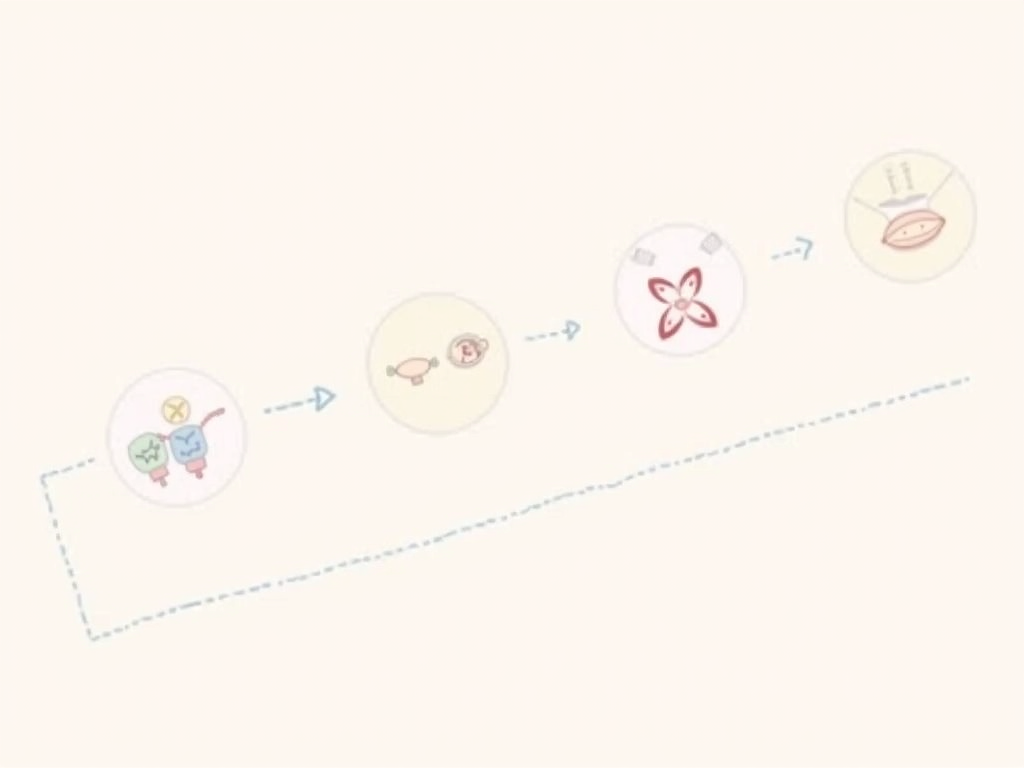
The IVF Process
-
Ovarian Stimulation: Similar to fertility medications, IVF begins with ovarian stimulation to produce multiple eggs. This is crucial because not all eggs will fertilize or develop into healthy embryos.
-
Egg Retrieval: Once the eggs are mature, they are retrieved from the ovaries using a minor surgical procedure. This is typically done under sedation to minimize discomfort.
-
Fertilization: The retrieved eggs are then fertilized with sperm in a laboratory. This can be done through traditional insemination or Intracytoplasmic Sperm Injection (ICSI), where a single sperm is injected directly into the egg.
-
Embryo Culture: The fertilized eggs, now embryos, are monitored for several days as they grow and develop.
-
Embryo Transfer: One or more healthy embryos are selected and transferred into the uterus. Any remaining high-quality embryos can be frozen for future use.
Success Rates and Considerations
IVF success rates vary depending on factors such as age, the cause of infertility, and the quality of the embryos. On average, the success rate for women under 35 is around 40% per cycle, but this decreases with age.
While IVF offers hope to many, it's not without its challenges. The process can be physically and emotionally demanding, and it often requires multiple cycles to achieve a successful pregnancy. Additionally, the cost of IVF can be prohibitive for some, although insurance coverage is improving in many regions.
The Science of IVF
The science behind IVF is a testament to advancements in reproductive medicine. By controlling the environment in which fertilization occurs, scientists can optimize the conditions for embryo development. This includes selecting the best sperm and eggs, monitoring embryo growth, and even performing genetic testing to ensure the healthiest embryos are chosen for transfer.
PCOS and Fertility: Navigating the Challenges
Polycystic Ovary Syndrome (PCOS) is a common hormonal disorder that affects up to 10% of women of reproductive age. It is one of the leading causes of infertility due to its impact on ovulation.
What is PCOS?
PCOS is characterized by an imbalance in reproductive hormones, leading to symptoms such as irregular periods, excessive hair growth, acne, and weight gain. The condition also often results in the development of small cysts on the ovaries.
How PCOS Affects Fertility
Women with PCOS typically have higher levels of androgens (male hormones), which can interfere with the development and release of eggs. This leads to irregular or absent ovulation, making it difficult to conceive naturally.
Fertility Treatments for PCOS
For women with PCOS, fertility treatments often begin with lifestyle changes, such as weight loss and exercise, which can help regulate hormones and improve ovulation. If these measures are insufficient, fertility medications like Clomid or Letrozole are usually the next step.
In cases where medications are ineffective, IVF may be recommended. However, women with PCOS need to be carefully monitored during ovarian stimulation, as they are at higher risk for Ovarian Hyperstimulation Syndrome (OHSS), a condition where the ovaries become swollen and painful.
Personal Insights
Living with PCOS can be challenging, but many women find success with fertility treatments. Emily, a 28-year-old graphic designer, shared her journey: "I was diagnosed with PCOS at 22, and it was devastating to think I might never have children. But after working with a fertility specialist and trying Letrozole, I was able to conceive my son. It wasn't easy, but it was worth every step."

Ovarian Stimulation: A Key Component
Ovarian stimulation is a critical part of many fertility treatments, including both medication-based approaches and IVF. Its primary goal is to encourage the ovaries to produce multiple eggs, increasing the chances of successful fertilization.
How Ovarian Stimulation Works
Ovarian stimulation involves the use of hormones, typically FSH and luteinizing hormone (LH), to stimulate the growth of ovarian follicles, which contain the eggs. This process is carefully monitored through blood tests and ultrasounds to track the development of the follicles and adjust medication dosages as needed.
Ovarian Stimulation and PCOS
For women with PCOS, ovarian stimulation requires a delicate balance. Because their ovaries may be more sensitive to stimulation, there is a higher risk of producing too many follicles, which can lead to OHSS. To mitigate this risk, fertility specialists often use lower doses of medications and closely monitor the response.
The Role of Ovarian Stimulation in IVF
In IVF, ovarian stimulation is essential for producing multiple eggs, which increases the likelihood of obtaining viable embryos. The more eggs retrieved, the better the chances of having high-quality embryos for transfer or freezing.

Conclusion
Fertility treatments, from medications to IVF, offer a range of options for those struggling to conceive. Whether you're dealing with PCOS or other fertility challenges, understanding these treatments can empower you to make informed decisions about your reproductive health. While the journey may be complex, advancements in reproductive medicine continue to improve the chances of success.
If you're considering fertility treatments, it's essential to consult with a fertility specialist who can tailor a plan to your specific needs. Remember, you're not alone—many have walked this path before you, and with the right support, you can navigate it successfully.