How to Choose a Fertility Clinic for Best Results
Aug. 5, 2025, 7:04 a.m.
Researching fertility clinics is an important first step in choosing the right one for you. Start by looking at online reviews and asking for recommendations from friends or family who have gone through fertility treatments. You can also check the clinic's website for information about their services and staff.
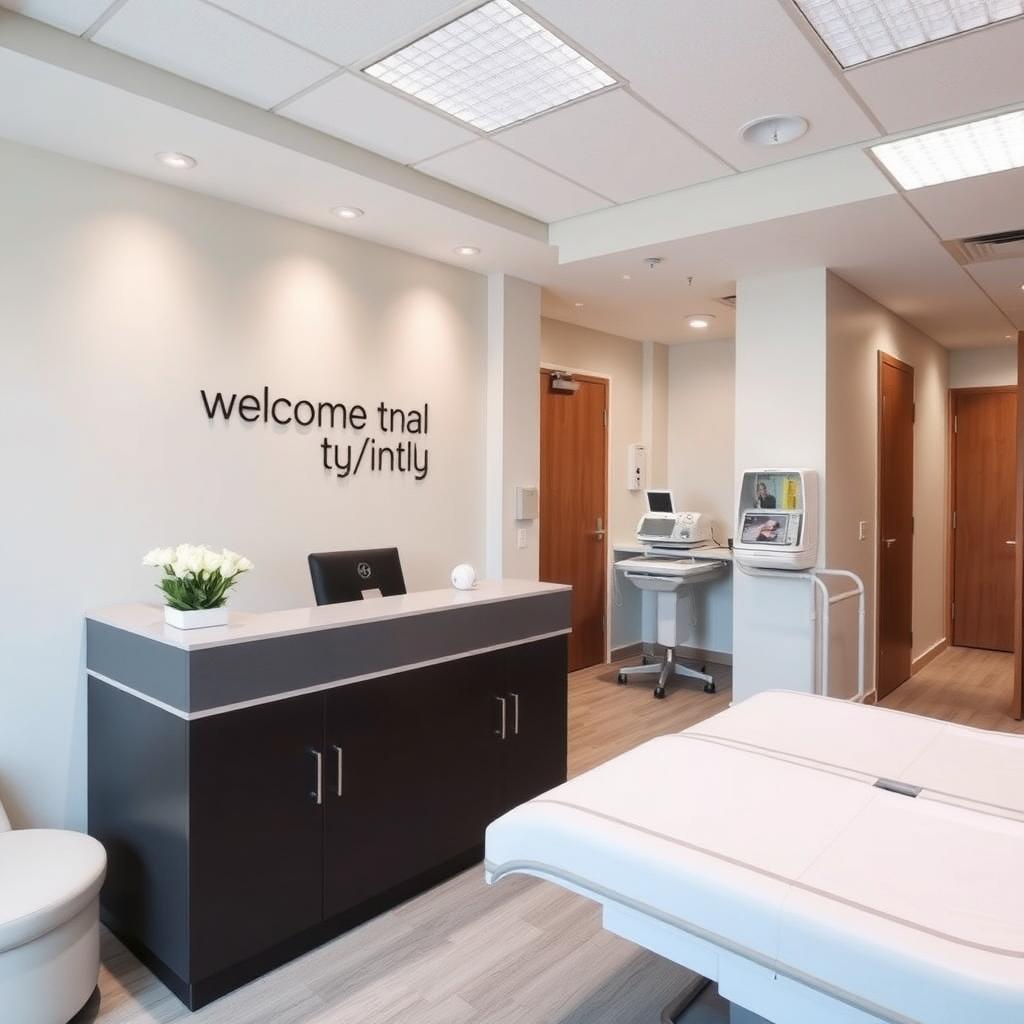
When researching clinics, it's important to visit them in person if possible. This will give you a chance to see the facilities, meet the staff, and ask questions. You can also get a sense of the clinic's atmosphere and whether it feels like a good fit for you.
Make sure the clinic is accredited by a reputable organization, such as the American Society for Reproductive Medicine (ASRM). This ensures that the clinic meets certain standards of care and safety.
Understanding a clinic's success rates is crucial for making an informed decision. Success rates can vary widely between clinics, and it's important to know what the rates mean in terms of your own chances of success.
Success rates are typically reported as the percentage of cycles that result in a live birth. However, it's important to note that success rates can vary depending on factors like age, diagnosis, and treatment type. Ask the clinic for success rates specific to your situation.
If you're considering a specific procedure, such as IVF with donor eggs, ask about the clinic's experience and success rates with that procedure.

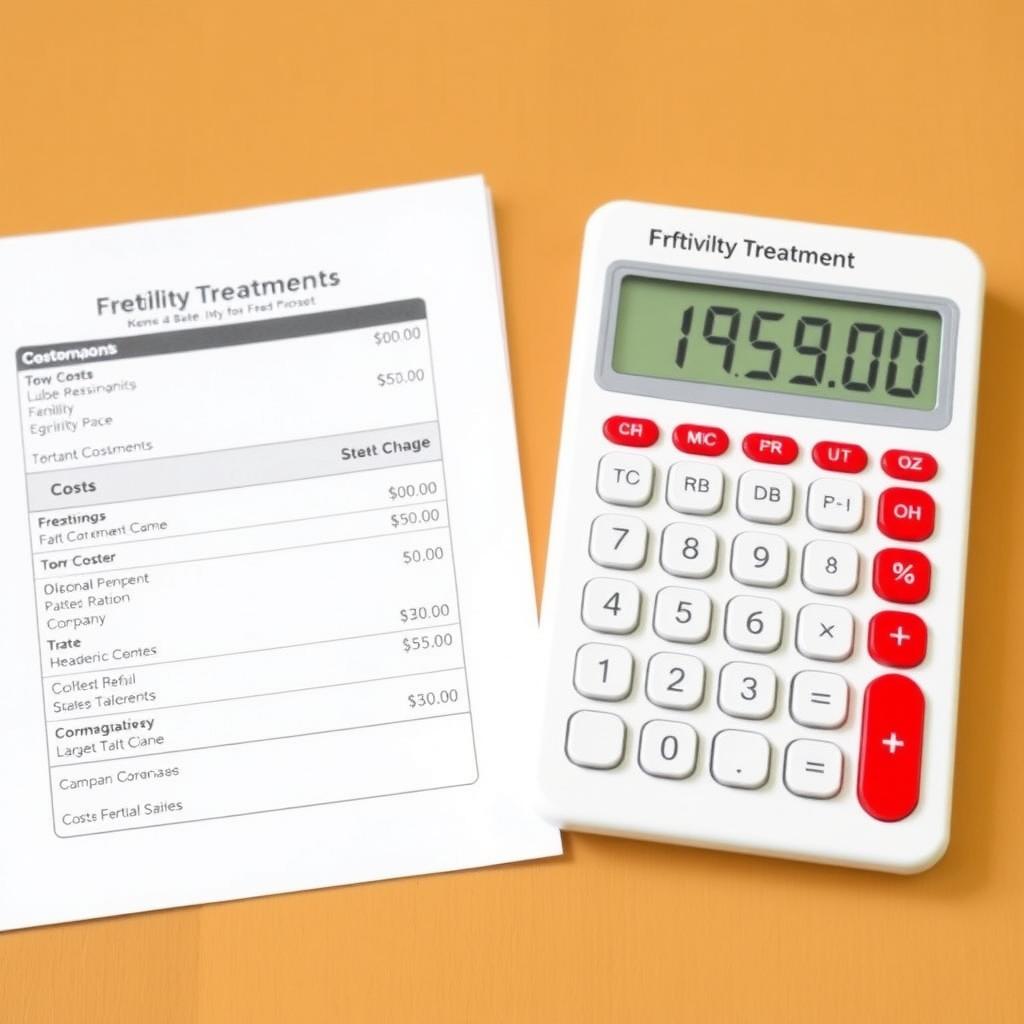
Fertility treatments can be expensive, so it's important to understand the costs involved. Ask the clinic for a detailed breakdown of their fees, and find out what insurance covers. You should also ask about financing options, as some clinics offer payment plans or loans to help cover the costs.
The costs of fertility treatments can include consultation fees, diagnostic tests, medications, and the procedures themselves. Some clinics may also charge for additional services, such as genetic testing or embryo freezing.
The clinic's approach to patient care is also important. Look for a clinic that communicates clearly and provides a high level of support. You should feel comfortable asking questions and discussing your concerns with the staff. Some clinics may also offer support groups or counseling services.
Every patient is unique, so it's important to choose a clinic that tailors its treatment plans to your individual needs. Ask about the clinic's approach to personalized care and how they determine the best treatment plan for each patient.

Fertility preservation is an important consideration for young women who may want to have children in the future. If you're considering fertility preservation, look for a clinic that offers this service and has experience in this area.
Fertility preservation options for women include egg freezing, embryo freezing, and ovarian tissue freezing. Each option has its own benefits and risks, so it's important to discuss them with your doctor to determine which one is right for you.
Fertility preservation is most effective when done at a younger age, before fertility declines. If you're considering fertility preservation, it's important to act sooner rather than later.

During the initial consultation, the fertility specialist will review your medical history, perform a physical exam, and discuss your treatment options. This is also a good opportunity to ask questions and get a sense of the clinic's approach.
Some questions to ask during the initial consultation include: - What is your experience with my specific condition? - What treatment options do you recommend for me? - What are the success rates for these treatments? - What are the costs involved? - What is your approach to patient care and personalized treatment plans?

Consider the location of the clinic and how convenient it is for you to get there. Fertility treatments often require frequent visits, so choosing a clinic that's close to home or work can make the process easier. If the clinic is far from your residence, factor in travel time and costs.

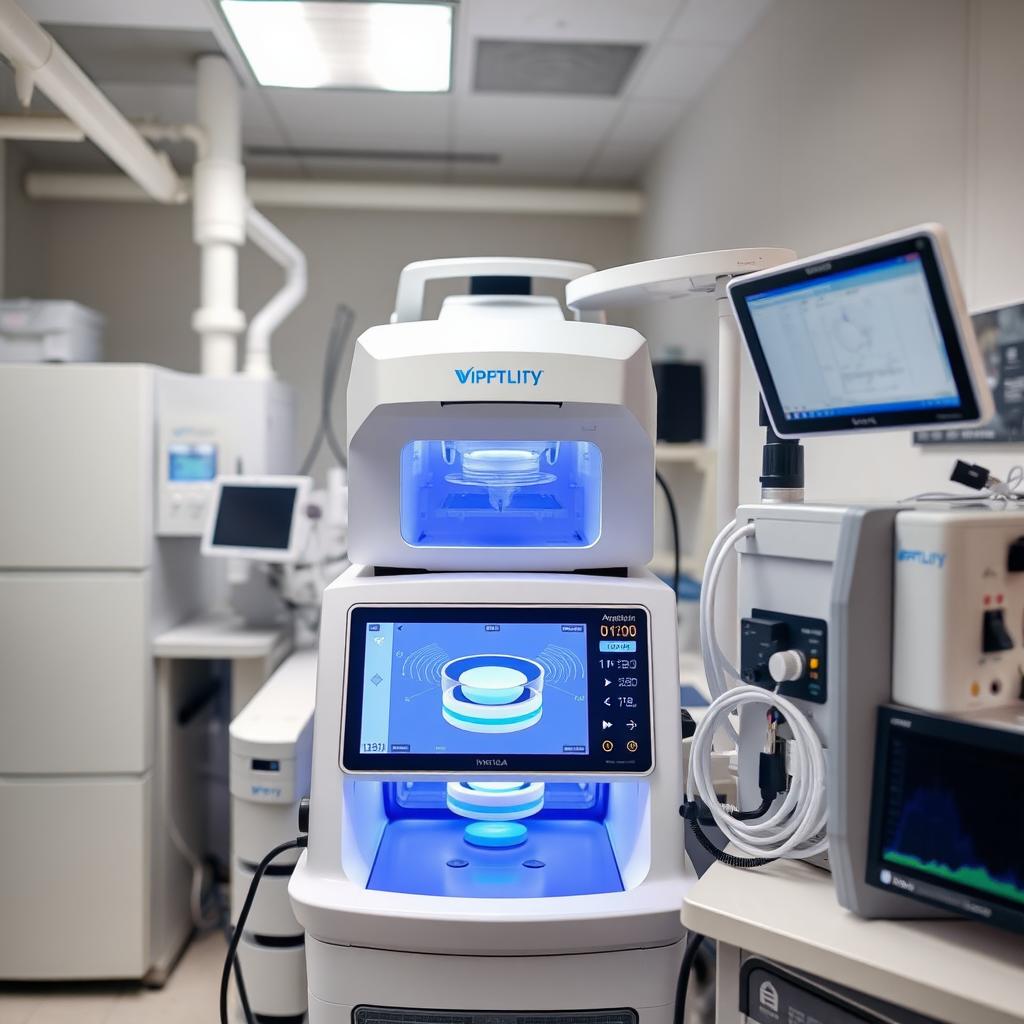
Look for a clinic that uses the latest technology and equipment. This can include things like advanced imaging techniques, genetic testing, and embryo monitoring systems. A clinic that invests in the latest technology is more likely to have higher success rates and provide better care.
Look for a clinic with experienced and qualified staff. This includes fertility specialists, embryologists, nurses, and support staff. You can ask about their credentials and experience in the field. For fertility specialists, look for board certification in reproductive endocrinology and infertility.

Reading patient testimonials and reviews can provide valuable insights into the clinic's quality of care and patient satisfaction. Look for reviews on the clinic's website, social media, and third-party review sites, identifying specific aspects of care that patients emphasize.

Pay attention to how the clinic communicates with you. Do they respond promptly to your inquiries? Do they provide clear and detailed information? Good communication is key to a positive experience.

Look for a clinic that offers support services, such as counseling, support groups, or educational resources. These services can help you navigate the emotional and psychological aspects of fertility treatments.

Ask about the clinic's follow-up care after treatment. Will they provide support if the treatment is unsuccessful? Will they help you explore other options? A good clinic will be there for you every step of the way, even if the treatment doesn't go as planned.

Choosing the right fertility clinic is a crucial step in achieving the best results. By researching clinics, understanding success rates, considering costs, and evaluating the clinic's approach to patient care, you can make an informed decision. Remember to also consider fertility preservation if it's relevant to you. With the right clinic, you can increase your chances of success and achieve your dream of starting a family.