Best Foods for PCOS Symptom Relief
Aug. 3, 2025, 6:58 a.m.
Polycystic Ovary Syndrome (PCOS) is a common hormonal disorder affecting women of reproductive age. Managing PCOS symptoms can be challenging, but a healthy diet plays a crucial role in alleviating discomfort and improving overall health. This article explores the best foods for PCOS symptom relief and offers lifestyle tips for managing the condition naturally.
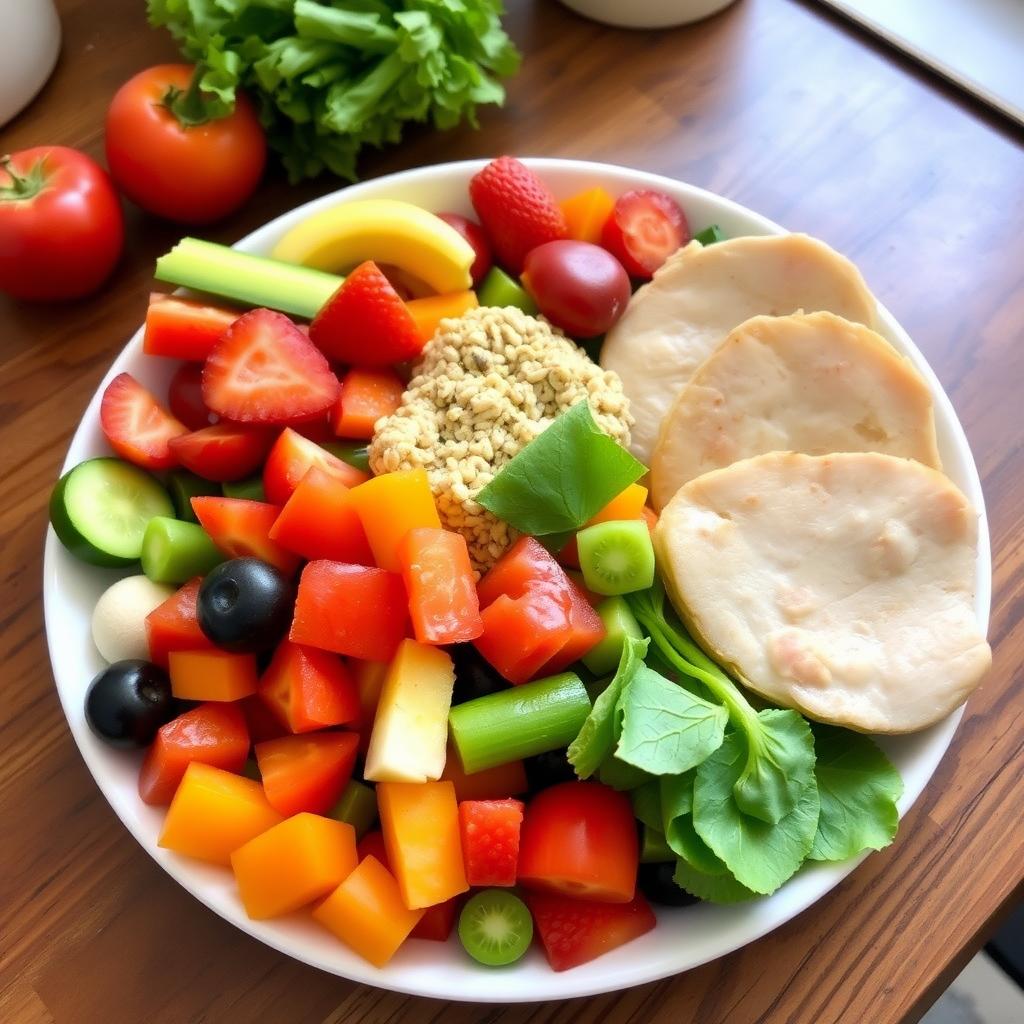
PCOS is characterized by an imbalance in reproductive hormones, leading to symptoms such as irregular periods, weight gain, acne, and excessive hair growth. It can also increase the risk of developing other health issues like type 2 diabetes and heart disease. Understanding these symptoms is the first step toward effective management.
A balanced diet can help regulate hormones, manage weight, and reduce inflammation, all of which are key in managing PCOS symptoms. By choosing the right foods, women with PCOS can improve their quality of life and reduce the risk of complications.
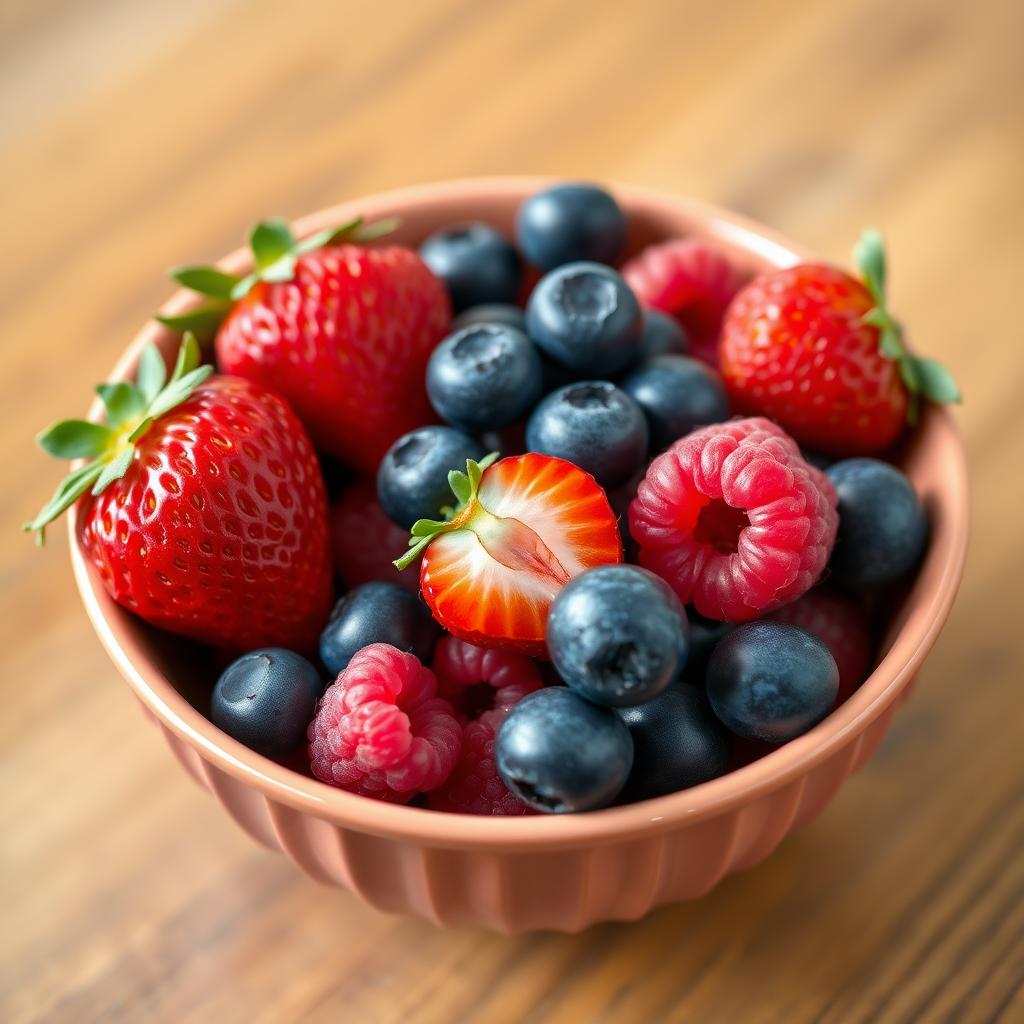
Fiber helps regulate blood sugar levels and promotes a healthy gut, which is essential for women with PCOS. Foods like whole grains, legumes, fruits, and vegetables are excellent sources of fiber. Personally, I've found that incorporating more fiber into my diet has helped stabilize my energy levels and reduce cravings.
Lean proteins, such as chicken, fish, tofu, and legumes, help build muscle and keep you feeling full longer. This can aid in weight management, which is often a challenge for women with PCOS. I've noticed that including lean proteins in my meals helps me maintain a healthy weight and reduces my risk of insulin resistance.
Healthy fats, like those found in avocados, nuts, seeds, and olive oil, can help reduce inflammation and support hormone balance. I've experienced fewer mood swings and better skin health since incorporating more healthy fats into my diet.
Foods with a low glycemic index (GI) release sugar slowly into the bloodstream, helping to prevent spikes in blood sugar levels. This is particularly important for women with PCOS who are at higher risk of insulin resistance. I've found that choosing low GI foods, such as whole grains, non-starchy vegetables, and most fruits, helps me maintain stable energy levels throughout the day.
Chronic inflammation is common in women with PCOS and can exacerbate symptoms. Anti-inflammatory foods, like fatty fish, berries, leafy greens, and turmeric, can help reduce inflammation and improve overall health. I've noticed a significant reduction in my joint pain and fatigue since focusing on anti-inflammatory foods.
Exercise is crucial for managing PCOS symptoms. It helps with weight management, improves insulin sensitivity, and reduces stress. I aim for at least 30 minutes of moderate exercise most days of the week, and I've found that activities like yoga and walking are particularly beneficial.
Stress can worsen PCOS symptoms by disrupting hormone balance. I've learned to manage stress through mindfulness practices, such as meditation and deep breathing exercises. These techniques have helped me feel more in control and less overwhelmed.
Getting enough sleep is essential for hormone regulation and overall health. I prioritize sleep by establishing a consistent bedtime routine and creating a relaxing sleep environment. This has improved my energy levels and mood significantly.
Staying hydrated is important for everyone, but it's especially crucial for women with PCOS. Proper hydration helps with digestion, reduces bloating, and supports overall health. I make sure to drink at least eight glasses of water a day, and I've noticed a positive difference in my skin and energy levels.
In summary, managing PCOS symptoms naturally involves a combination of a healthy diet and lifestyle changes. By incorporating fiber-rich foods, lean proteins, healthy fats, low GI foods, and anti-inflammatory foods into your diet, you can alleviate discomfort and improve your overall health. Additionally, regular exercise, stress management, adequate sleep, and proper hydration are essential for managing PCOS effectively.
For further reading, I recommend the following articles: 'Understanding PCOS: A Comprehensive Guide', 'The Role of Diet in Hormonal Health', 'Exercise and PCOS: What You Need to Know', 'Stress Management Techniques for Women with PCOS', 'The Importance of Sleep for Hormonal Balance.'