The Importance of Sleep for Hormonal Balance
Dec. 31, 2025, 6:37 a.m.
Sleep plays a vital role in keeping your hormones in check. Poor sleep can throw off this delicate balance, leading to issues like stress, weight gain, and even fertility challenges. In this article, we'll explore why getting enough rest matters so much.

Why Sleep Matters for Your Hormones
Your body runs on a natural clock, and sleep helps sync it up. During the night, your brain releases hormones that control everything from hunger to stress.
Take melatonin, for example. This hormone rises when it's dark and tells your body it's time to sleep. Good sleep boosts melatonin, which in turn helps regulate other hormones.
Cortisol, the stress hormone, should peak in the morning and drop at night. When you skimp on sleep, cortisol stays high, making you feel wired and tired at the same time.
Sleep also affects insulin, the hormone that manages blood sugar. Short sleep can make your body resistant to insulin, raising the risk of weight gain and type 2 diabetes.
Leptin and ghrelin control hunger. Leptin signals fullness, while ghrelin sparks appetite. Lack of sleep lowers leptin and raises ghrelin, leading to more cravings.
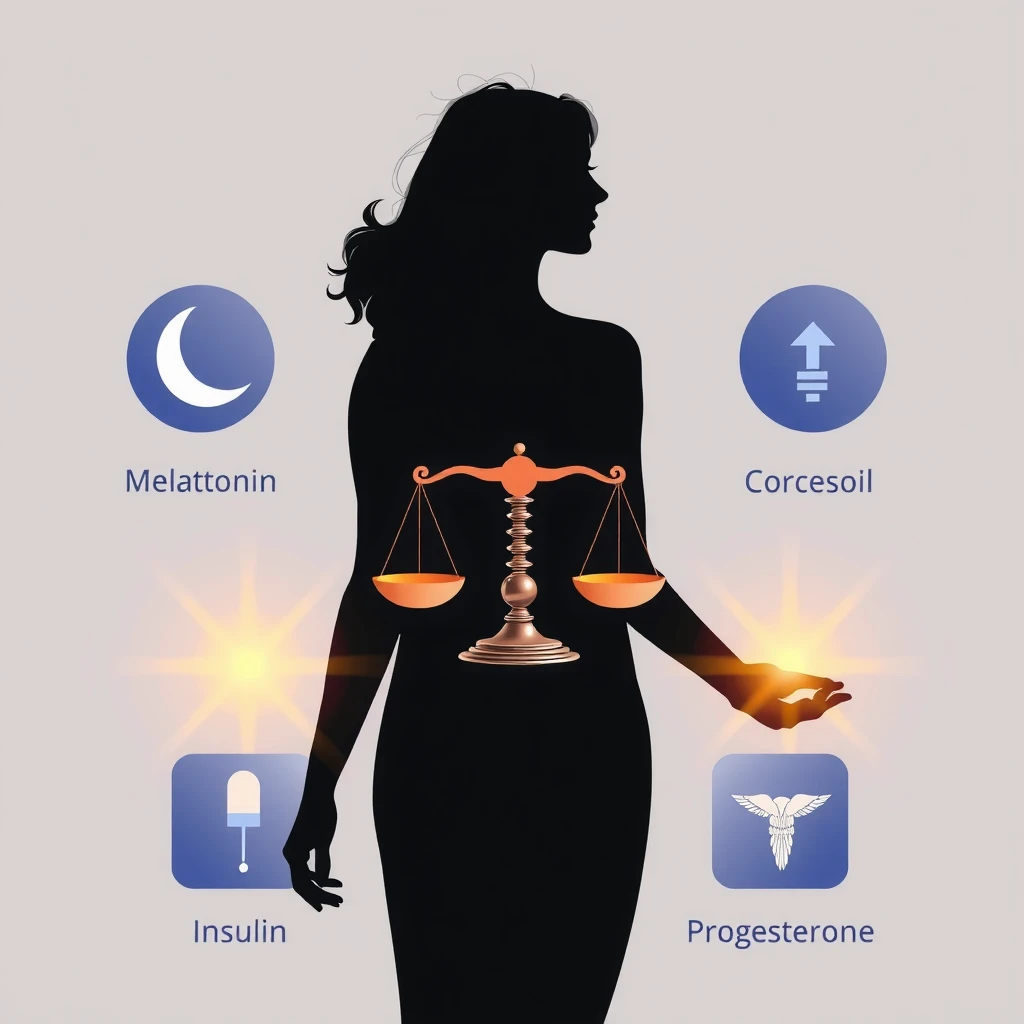
Sleep and Women's Reproductive Hormones
For women, sleep is extra important because it ties directly to reproductive health. Hormones like estrogen and progesterone follow daily rhythms.
Studies show that poor sleep disrupts these rhythms. It can lead to irregular periods and lower chances of getting pregnant.
One key issue is female infertility and PCOS. Polycystic ovary syndrome (PCOS) affects up to 10% of women and is a leading cause of female infertility.
Women with PCOS often have hormonal imbalances, like high androgens and insulin resistance. Poor sleep makes these worse.
Research links short sleep to higher risks of sleep apnea in PCOS patients. Sleep apnea fragments rest, raising stress hormones and worsening insulin issues.
In turn, this cycle can deepen PCOS symptoms and contribute to female infertility.
I've seen friends struggle with PCOS. One shared how fixing her sleep routine helped regulate her cycles. It's not a cure, but it makes a real difference.
How Lack of Sleep Affects Hormones
Here's a quick look at common disruptions:
| Hormone | Normal Role | Effect of Poor Sleep |
|---|---|---|
| Melatonin | Promotes sleep | Reduced production |
| Cortisol | Manages stress | Stays elevated, increases anxiety |
| Insulin | Controls blood sugar | Resistance develops |
| Leptin | Signals fullness | Levels drop, more hunger |
| Ghrelin | Triggers appetite | Levels rise |
| Estrogen/Progesterone | Regulate cycles | Irregular fluctuations |
These changes don't happen overnight, but over time, they add up.
Tips to Improve Sleep and Balance Hormones
You can take steps today to sleep better. Here are practical lifestyle tips for managing PCOS naturally, which also help overall hormonal health.
- Stick to a schedule: Go to bed and wake up at the same time every day.
- Create a wind-down routine: Dim lights an hour before bed.
- Avoid screens: Blue light blocks melatonin.
- Exercise earlier: Morning or afternoon workouts help, but not too close to bedtime.
- Watch caffeine: Cut it after noon.
For PCOS symptom relief, combine sleep with diet. Check out ideas for the best foods for PCOS symptom relief, like leafy greens, nuts, and fatty fish.

Many women find that better sleep reduces cravings and helps with weight management, key for PCOS.
If you suspect sleep apnea, talk to a doctor. Treatment can improve hormones quickly.
From my experience helping others, small changes add up. One woman I know started prioritizing sleep and noticed her moods and energy improve in weeks.
Wrapping It Up
The importance of sleep for hormonal balance can't be overstated. It supports your whole body, from stress levels to fertility.
Especially for those dealing with PCOS and female infertility, good sleep is a powerful tool you control.
Aim for 7-9 hours nightly. Your hormones—and your health—will thank you.
For more, see sources like the National Institutes of Health on sleep and hormones: https://pmc.ncbi.nlm.nih.gov/articles/PMC4377487/