Egg Freezing 101: What You Need to Know Before Starting
Dec. 30, 2025, 6:38 a.m.
Overview
Egg freezing, or oocyte cryopreservation, lets women preserve their eggs for future use. This option helps many delay parenthood while keeping the chance for biological children open. More women choose fertility preservation to combat age-related infertility. Here's what you need to know before starting.

Why Consider Egg Freezing?
Many women today focus on careers, education, or finding the right partner before starting a family. But fertility declines with time. Fertility preservation through egg freezing gives you control over your timeline.
Some face medical reasons, like cancer treatment that harms eggs. Others choose it to avoid future infertility. Egg freezing acts as an insurance policy against unexpected challenges.
Understanding Fertility Preservation and Age
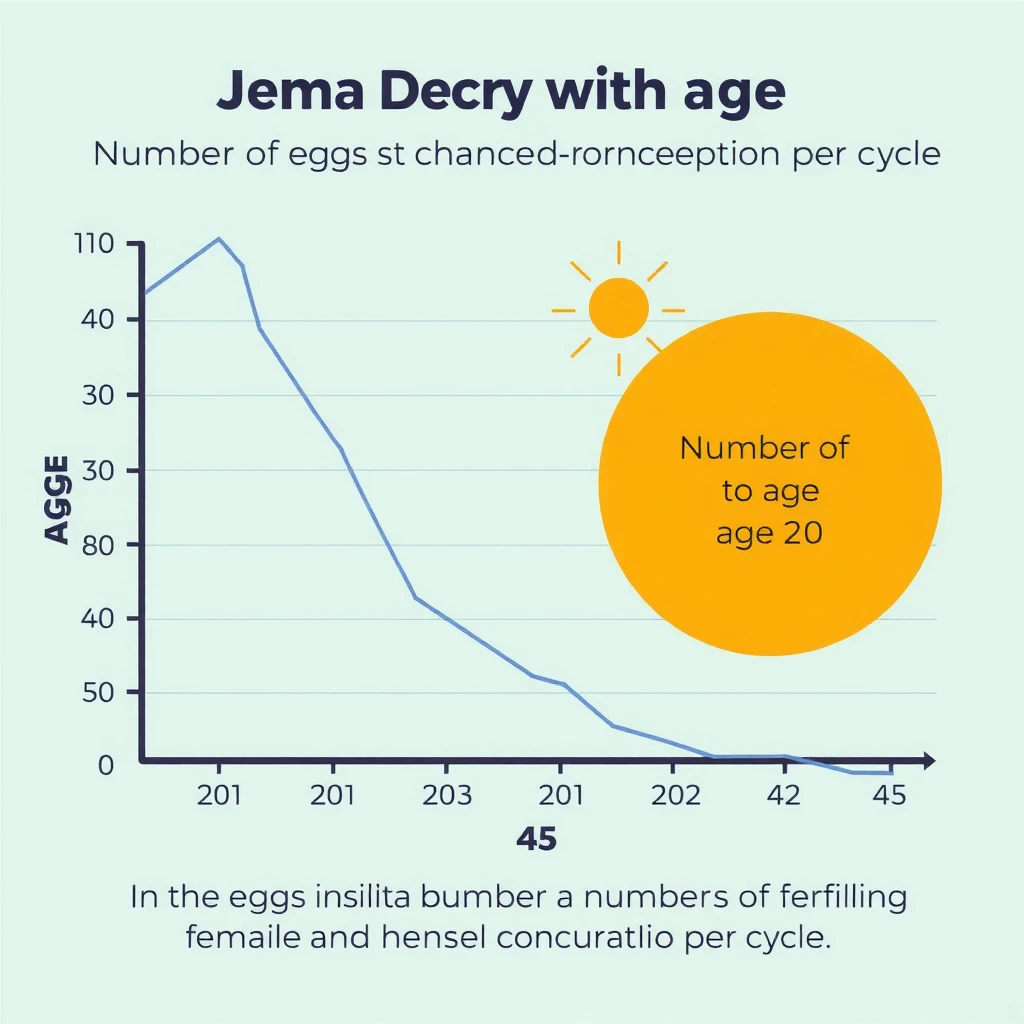
Your fertility peaks in your 20s and starts dropping in your early 30s. It declines faster after 35. According to the American College of Obstetricians and Gynecologists (ACOG), fecundity decreases significantly around age 32 and more rapidly after 37.
Fewer eggs remain as you age, and quality drops too. This raises risks of miscarriage or chromosomal issues. Freezing eggs younger captures them at better quality.
The American Society for Reproductive Medicine (ASRM) notes improved outcomes when freezing before 35, though no exact optimal age exists yet.
How Does the Egg Freezing Process Work?
The process takes about 2-4 weeks per cycle. Here's a simple breakdown:
-
Initial Consultation and Testing: You meet a specialist. They check hormone levels and ovarian reserve through blood tests and ultrasound.
-
Ovarian Stimulation: You inject hormones daily for 10-14 days to grow multiple eggs.
-
Monitoring: Clinic visits track progress with ultrasounds and bloodwork.
-
Egg Retrieval: A minor procedure under sedation removes eggs via needle guided by ultrasound.
-
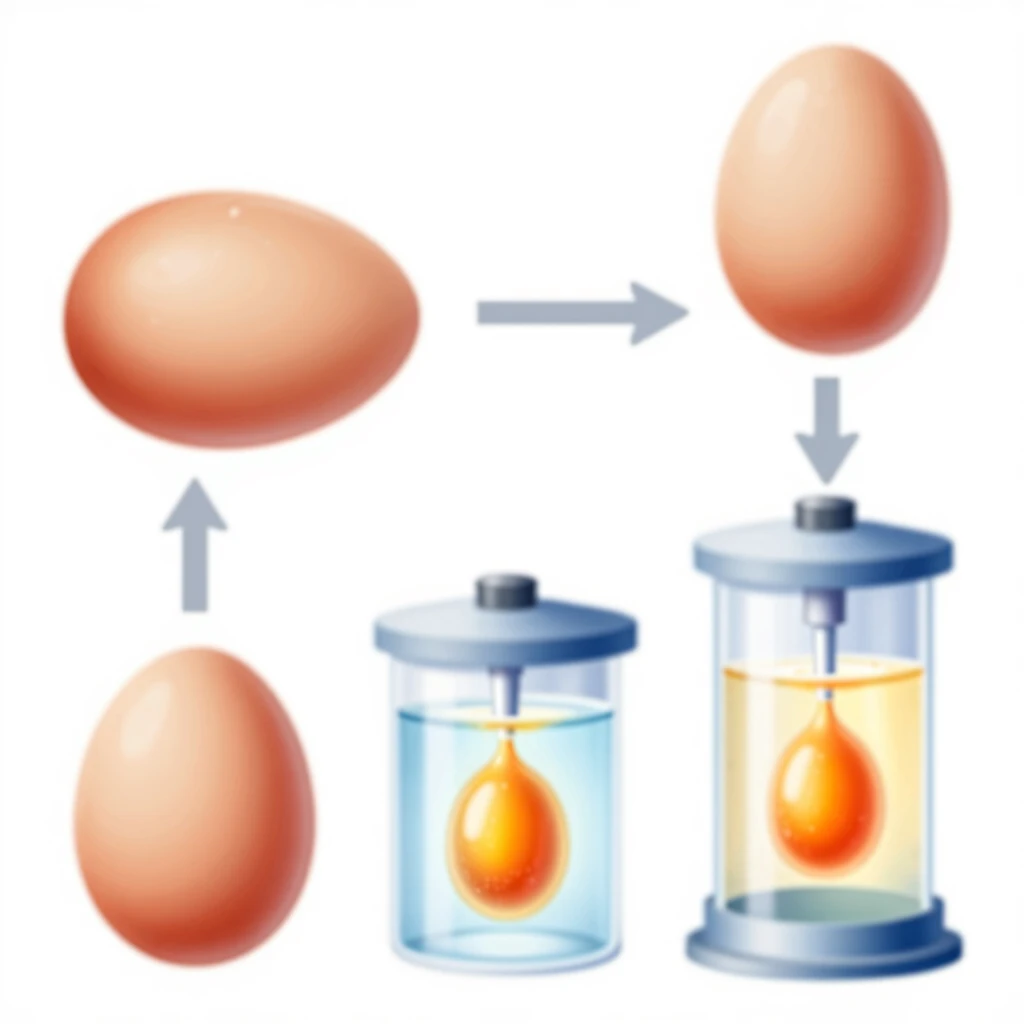
Vitrification: Eggs flash-freeze quickly to prevent ice crystals.
-
Storage: Eggs stay in liquid nitrogen tanks indefinitely.
Most women feel mild bloating or cramping, similar to a heavy period.
Success Rates and Realistic Expectations
Success depends on your age at freezing. Younger eggs thaw better and lead to healthier embryos.
ASRM guidelines show outcomes from frozen eggs match fresh ones in many cases. For example, women under 35 often see higher live birth rates per egg.
You typically need 15-20 mature eggs for good odds of one live birth. Many do 1-2 cycles to reach that number.
It's not a guarantee, but it boosts chances compared to trying later with older eggs.
The Cost of Fertility Preservation Procedures
Egg freezing isn't cheap. In the US, one cycle costs $10,000 to $20,000, including monitoring, retrieval, and freezing. Medications add $3,000-$6,000.
Annual storage runs $500-$1,000. Insurance rarely covers elective cases, but some employers offer benefits.
Check your plan or look into financing. Costs vary by location and clinic.
| Expense Breakdown | Average Cost (USD) |
|---|---|
| Consultation & Testing | $500 - $2,000 |
| Medications | $3,000 - $6,000 |
| Retrieval & Freezing | $8,000 - $15,000 |
| Annual Storage | $500 - $1,000 |
| Total per Cycle | $12,000 - $20,000 |
Risks and Side Effects
The procedure is safe overall. Common side effects include bloating, mood swings from hormones, and mild pain after retrieval.
Rare risks involve ovarian hyperstimulation syndrome (OHSS) or bleeding. ASRM reports low complication rates.
Long-term, no increased birth defect risks appear compared to natural conception, but more data is needed.
Who Should Consider It?
- Women in their late 20s to mid-30s planning delayed parenthood.
- Those with family history of early menopause.
- Cancer patients before treatment.
- Anyone wanting options amid rising infertility rates.
Talk to a specialist early. They personalize advice based on your health.
Personal Insights and Stories
Many women share relief after freezing eggs. One patient said, "It lifted the pressure—I could focus on life without a ticking clock." Another used her eggs years later and welcomed a healthy baby.
It's empowering, but weigh emotions and finances carefully.
Final Thoughts
Egg freezing offers hope in managing fertility. It addresses age-related decline but works best younger. Research clinics, understand costs, and get informed counseling.
This step can align family goals with your life pace. Consult a reproductive endocrinologist soon if interested.