In Vitro Fertilization vs IUI: Which Fertility Treatment Is Right for You?
Dec. 29, 2025, 5:21 p.m.
Quick Overview
When facing infertility, many people compare in vitro fertilization (IVF) and intrauterine insemination (IUI). Both are popular fertility treatments, but they differ in complexity, cost, and success rates. IVF often gives higher chances of pregnancy, while IUI is simpler and less expensive. Your choice depends on your age, diagnosis, and goals. Let's break it down.

What Is Intrauterine Insemination (IUI)?
IUI, often called artificial insemination, places washed and concentrated sperm directly into the uterus. This happens around ovulation to help sperm reach the egg more easily. Doctors may use fertility drugs to stimulate egg production.
The process is quick—like a Pap smear—and done in the office. No surgery needed. Many start here because it's less invasive.
IUI works well for mild male factor infertility, unexplained infertility, or cervical issues. It's also great for same-sex couples or single parents using donor sperm.
What Is In Vitro Fertilization (IVF)?
In vitro fertilization fertilizes eggs with sperm in a lab. Doctors stimulate ovaries to produce multiple eggs, retrieve them through a minor procedure, fertilize them, grow embryos, and transfer one or more to the uterus.
IVF bypasses many natural barriers. It's the go-to for blocked tubes, severe male infertility, or when other treatments fail.

How the Processes Compare
| Aspect | IUI | IVF |
|---|---|---|
| Invasiveness | Low (office procedure) | Higher (egg retrieval under sedation) |
| Medications | Often mild or none | Strong stimulation drugs |
| Monitoring | Basic ultrasounds | Frequent blood tests and ultrasounds |
| Fertilization | Happens in the body | Happens in lab |
| Time per Cycle | About 2 weeks | About 4-6 weeks |
| Recovery | Minimal | 1-2 days rest after retrieval |
IUI feels straightforward. You track ovulation, visit the clinic for insemination, and wait. IVF involves more steps and appointments, but many find the structure reassuring.
Success Rates: What the Numbers Show
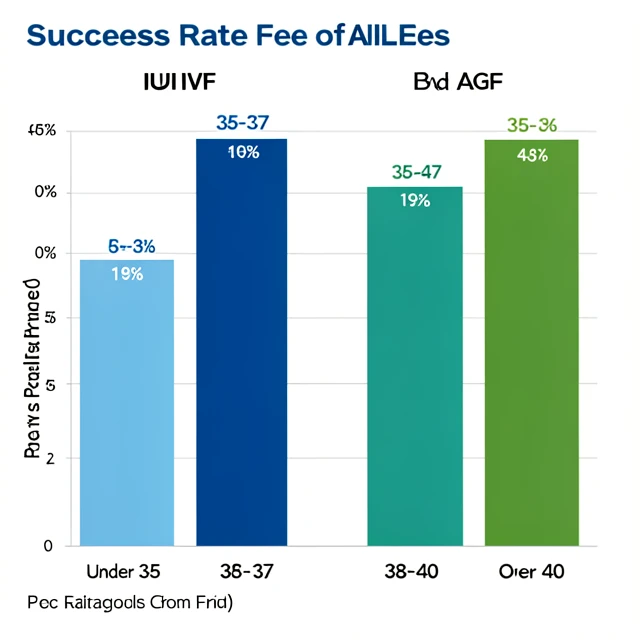
Success varies by age and cause of infertility. Younger people generally do better.
- IUI: Around 10-20% per cycle for women under 35. Drops to 5% or less over 40. Multiple cycles often needed.
- IVF: 40-50% per cycle under 35. Around 30-40% for 35-37, and lower with age. But cumulative rates rise with more tries.
IVF usually wins for tough cases. After 3-4 failed IUIs, many move to IVF for better odds.
From real stories I've heard, one woman in her early 30s tried three IUIs without success. She switched to IVF and got pregnant on her first try. The higher control in the lab made the difference.
Costs: Budgeting for Treatment
Money matters a lot.
- IUI: $500-$2,000 per cycle (plus meds $100-$2,000). Multiple tries add up.
- IVF: $12,000-$25,000 per cycle (meds extra $3,000-$7,000). But one successful cycle may save money long-term.
Insurance coverage varies. Some plans cover IUI more easily. Check benefits early. Grants and financing help many families.
Pros and Cons to Consider
IUI Pros: Cheaper, less invasive, fewer side effects. IUI Cons: Lower success, may need many cycles.
IVF Pros: Higher success, works for complex issues, genetic testing possible. IVF Cons: More expensive, physically demanding, emotional rollercoaster.
Think about your health, timeline, and comfort level. A fertility specialist can guide you based on tests.
Making the Choice
There's no one-size-fits-all. Start with a full evaluation. For mild issues, try IUI first. For severe cases or age factors, IVF might be smarter from the start.
Many feel empowered choosing IVF after research. Others appreciate IUI's simplicity. Listen to your body and doctor.
Final Thoughts
In vitro fertilization vs IUI comes down to your unique situation. Both offer hope for overcoming infertility. Talk openly with a specialist, weigh costs and emotions, and take it one step at a time. Many families grow this way—yours can too.