Infertility Statistics and Facts: Understanding a Global Challenge
Dec. 26, 2025, 5:20 p.m.
Infertility touches millions of lives around the world. According to the World Health Organization, about 1 in 6 people of reproductive age experience infertility in their lifetime. This common issue affects both men and women equally in many cases, and understanding the facts can help reduce stigma and encourage early action.

What Is Infertility?
Doctors define infertility as not being able to get pregnant after one year of trying with regular, unprotected sex. For women over 35, they recommend checking after six months. Many couples face this challenge, but treatments often help.
You might feel alone, but you're not. Infertility is a medical condition, not a personal failure. It happens due to factors in the male partner, female partner, both, or sometimes no clear reason.
Key Infertility Statistics and Facts
Here are some eye-opening numbers from reliable sources:
-
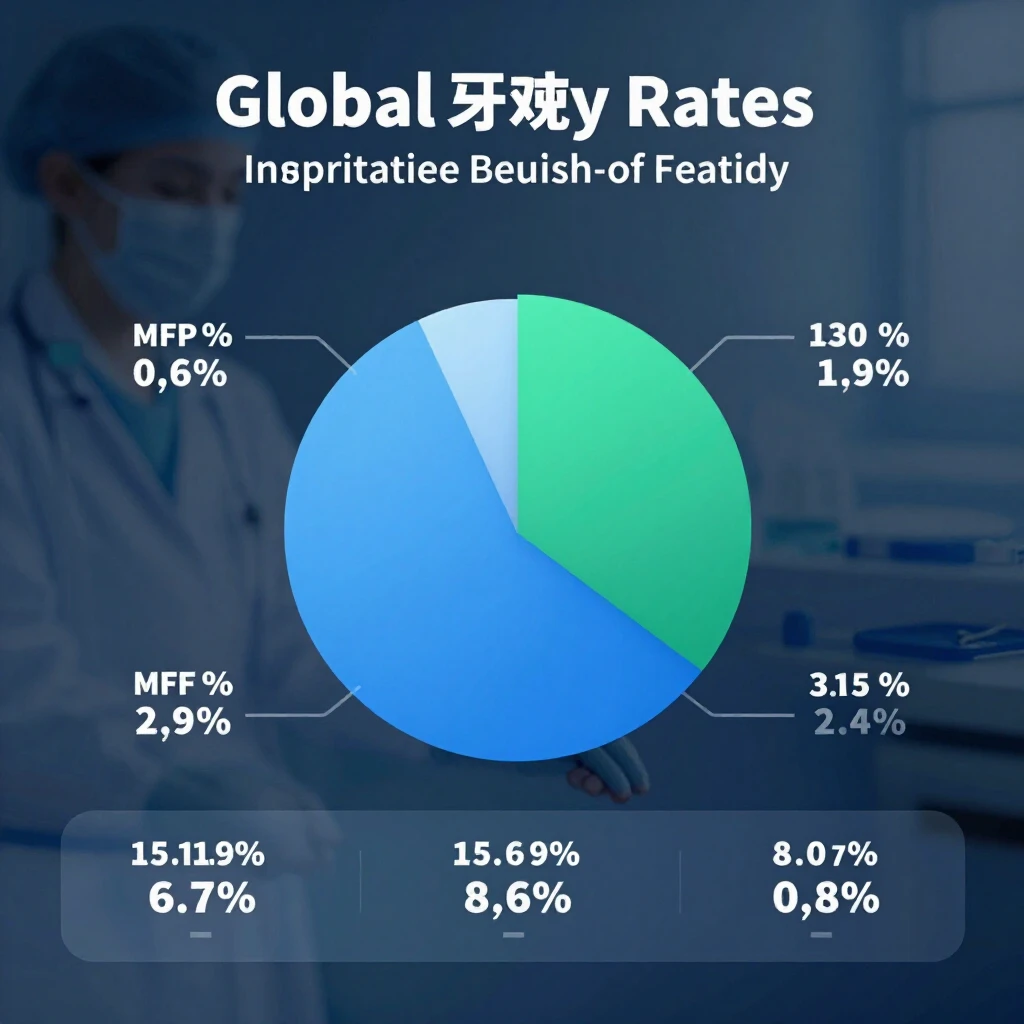
The World Health Organization reports that roughly 1 in 6 adults worldwide face infertility during their reproductive years. This means about 17.5% of the adult population experiences it at some point.
-
In the United States, the Centers for Disease Control and Prevention finds that around 13.4% of women aged 15-49 have impaired fecundity, which includes difficulty conceiving or carrying a pregnancy to term.
-
Globally, male factors contribute to about 50% of infertility cases, either alone or combined with female factors, according to experts at the National Institutes of Health.
These infertility statistics and facts show the issue spans all countries and income levels. Rates stay similar whether in high-income or low-income areas.
How Age Affects Fertility
Age plays a big role in fertility for both men and women.
For Women
- Fertility peaks in the early 20s.
- By age 30, it starts to decline slowly.
- After 35, the drop speeds up.
- By 40, chances of natural conception each month fall to about 5%.
Women over 35 often seek help sooner because time matters more.
For Men
Men's fertility declines more gradually. Sperm quality and quantity decrease after 40, but many men father children later in life.
Common Causes of Infertility
In about one-third of cases, the cause links to the female partner. Another third ties to the male partner. The rest involve both or remain unexplained.
Female Factors
- Ovulation problems, like polycystic ovary syndrome (PCOS)
- Blocked fallopian tubes from infections or endometriosis
- Uterine issues
Male Factors
- Low sperm count or poor sperm movement
- Hormone imbalances
- Blockages
Lifestyle choices matter too. Smoking, heavy drinking, obesity, and stress can worsen infertility for both partners.
Some causes you can prevent, like treating sexually transmitted infections early.

The Emotional Side of Infertility
Trying to conceive without success brings stress, sadness, and frustration. Many couples feel isolated, but support groups and counseling help a lot.
Talk openly with your partner. Seek professional help if emotions overwhelm you. You're building a family, and that journey deserves care for your mental health too.
What You Can Do
If you've tried for a year (or six months if over 35), see a doctor. Start with your primary care provider or a fertility specialist.
Simple changes often help:
- Maintain a healthy weight
- Eat balanced meals
- Exercise regularly but not excessively
- Quit smoking and limit alcohol
- Track ovulation for timing
Treatments range from medications to stimulate ovulation, surgery to clear blockages, or assisted options like IVF.
Many couples succeed with treatment. Don't wait if worried.
Wrapping Up
Infertility affects far more people than you might think. These infertility statistics and facts highlight it's a shared experience worldwide. Advances in medicine offer hope to many.
Seek information, talk to professionals, and take care of yourself. Building a family looks different for everyone, and support is available.