Egg Freezing: What You Need to Know
Dec. 24, 2025, 6:34 a.m.
Overview
Egg freezing, also known as oocyte cryopreservation, lets you preserve your eggs for future use. This advanced fertility preservation technique helps delay parenthood while maintaining better egg quality. Many women choose it to extend their reproductive options amid career goals, personal timing, or medical needs. Success depends on age, egg quantity, and overall health.

The Egg Freezing Process
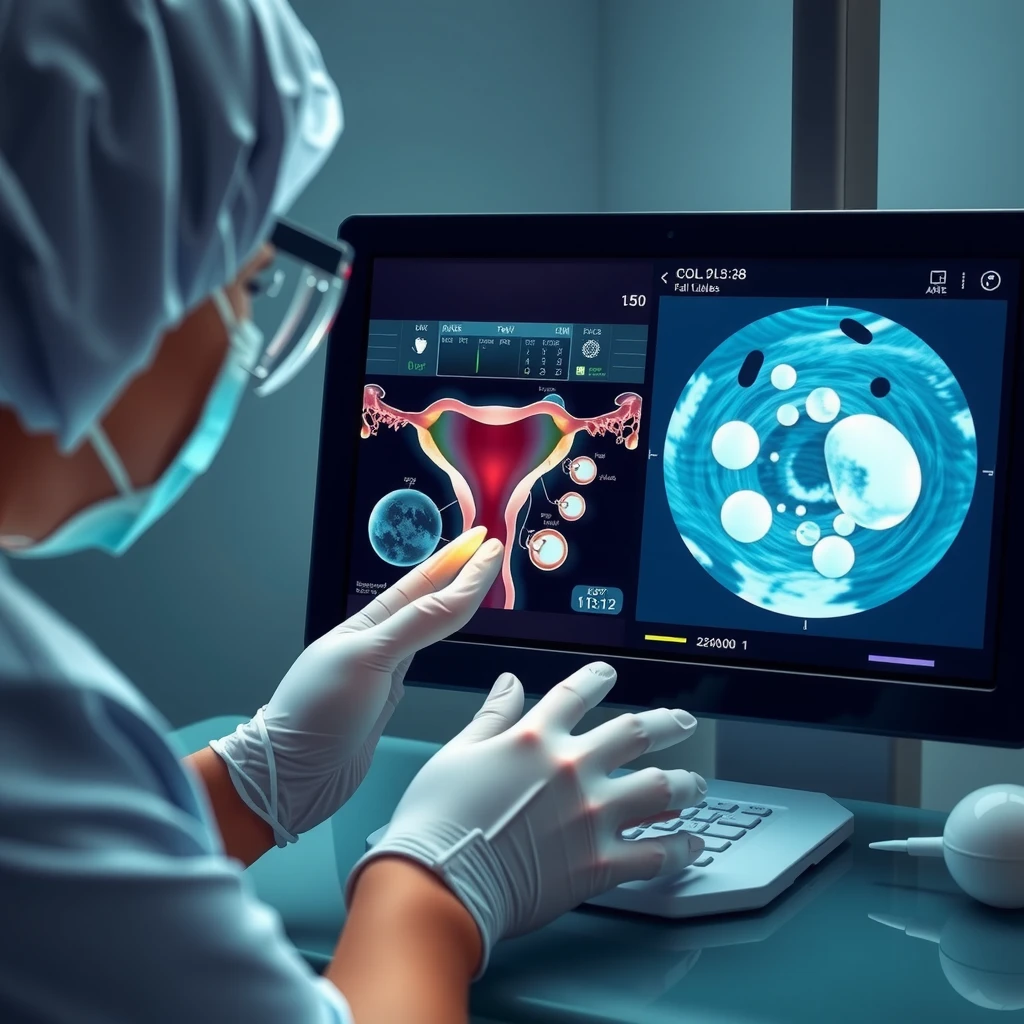
The journey starts with hormone injections to stimulate your ovaries to produce multiple eggs. Doctors monitor progress with ultrasounds and blood tests. Once ready, eggs are retrieved in a quick outpatient procedure under sedation. Labs then freeze the mature eggs using vitrification, a fast-freezing method that prevents ice crystal damage.
This technique has improved dramatically. Modern fertility treatments explained show vitrification offers high survival rates after thawing, often over 90% in good conditions.
After freezing, eggs stay stored safely for years. When ready, thaw them, fertilize with sperm via IVF, and transfer resulting embryos. This gives you control over timing without rushing decisions.
Success Rates and Key Factors
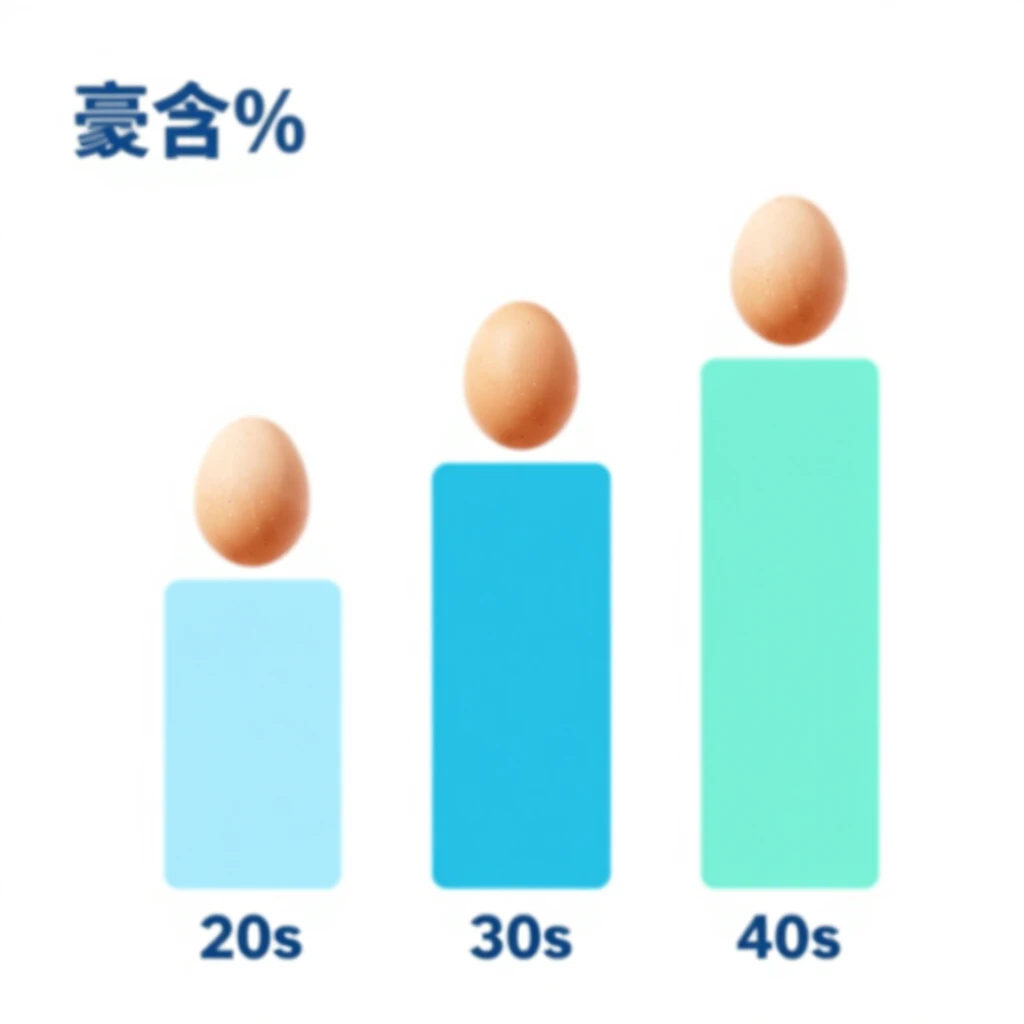
Success varies mainly by age at freezing. Younger eggs have higher quality and better outcomes. Data from reliable sources like the American Society for Reproductive Medicine (ASRM) indicate that freezing before 35 often yields the best results.
For example, women freezing in their late 20s to early 30s may achieve live birth rates comparable to fresh IVF cycles when using thawed eggs later. Thawing more eggs boosts chances significantly. One study showed women under 38 with 20+ thawed eggs reached up to 70% live birth probability.
While no method guarantees pregnancy, egg freezing provides a strong backup plan. Always consult a specialist for personalized odds based on your ovarian reserve.
How Stress Affects Fertility and What to Do About It
Stress impacts fertility more than many realize. Chronic stress raises cortisol, disrupting hormones needed for ovulation and egg quality. Studies show higher stress levels link to longer time-to-pregnancy and reduced IVF success.
One key finding: Women with elevated stress markers faced up to twice the infertility risk in some research. To manage it, try mindfulness, yoga, or therapy. Simple daily habits like short walks or journaling help lower stress and support reproductive health.
Lifestyle Changes to Improve Fertility
Small adjustments make a big difference. Maintain a healthy weight—both underweight and overweight can affect ovulation. Eat a balanced diet rich in fruits, vegetables, whole grains, and healthy fats like those in the Mediterranean style.
Avoid smoking and limit alcohol. Regular moderate exercise boosts circulation and hormone balance. Evidence supports these changes: They enhance egg quality and overall fertility potential.
For more details on evidence-based habits, check resources like the Mayo Clinic on female fertility.
Advanced Fertility Preservation Techniques
Beyond basic egg freezing, options include ovarian tissue freezing for certain medical cases. Vitrification remains the gold standard for oocytes, offering superior survival compared to older slow-freezing methods.
ASRM guidelines confirm planned oocyte cryopreservation as ethically sound and effective for extending reproductive windows. These advanced fertility preservation techniques give more people hope for future families.
For in-depth ethical and outcome guidelines, see the ASRM Ethics Committee opinion on planned oocyte cryopreservation.
Final Thoughts
Egg freezing empowers you to plan your family on your terms. While not a guarantee, it offers real possibilities when combined with healthy habits and stress management. Talk to a fertility expert to see if it fits your life. Knowledge is your best tool for reproductive choices.