PCOS and Pregnancy: What You Need to Know
Dec. 22, 2025, 6:33 a.m.
Overview
Polycystic ovary syndrome (PCOS) affects millions of women and often makes getting pregnant harder due to irregular ovulation. But with the right steps, many women with PCOS have healthy pregnancies. This guide covers everything you need to know about PCOS and pregnancy, from overcoming infertility to managing risks.

Understanding PCOS and Its Impact on Fertility
PCOS is a common hormonal disorder that causes irregular periods, excess androgen levels, and small cysts on the ovaries. It leads to anovulation, meaning eggs don't release regularly.
This makes PCOS one of the top causes of infertility in women. If you have PCOS, you might struggle to conceive naturally. But don't lose hope—treatments work well for most.
Many women feel frustrated when months pass without a positive test. One woman shared, "I tracked my cycles for a year and nothing happened. Learning about PCOS explained why, and starting treatment changed everything."
Overcoming Infertility with PCOS
The good news? You can boost your chances of pregnancy. Start with lifestyle changes.
Key Steps to Improve Fertility
- Lose 5-10% of body weight if overweight—this often restores ovulation.
- Eat a balanced diet low in processed carbs.
- Exercise regularly, like walking or strength training.
- Manage stress through yoga or meditation.
If lifestyle alone doesn't work, doctors turn to fertility drugs. These are called ovulation inducers and help your ovaries release eggs.
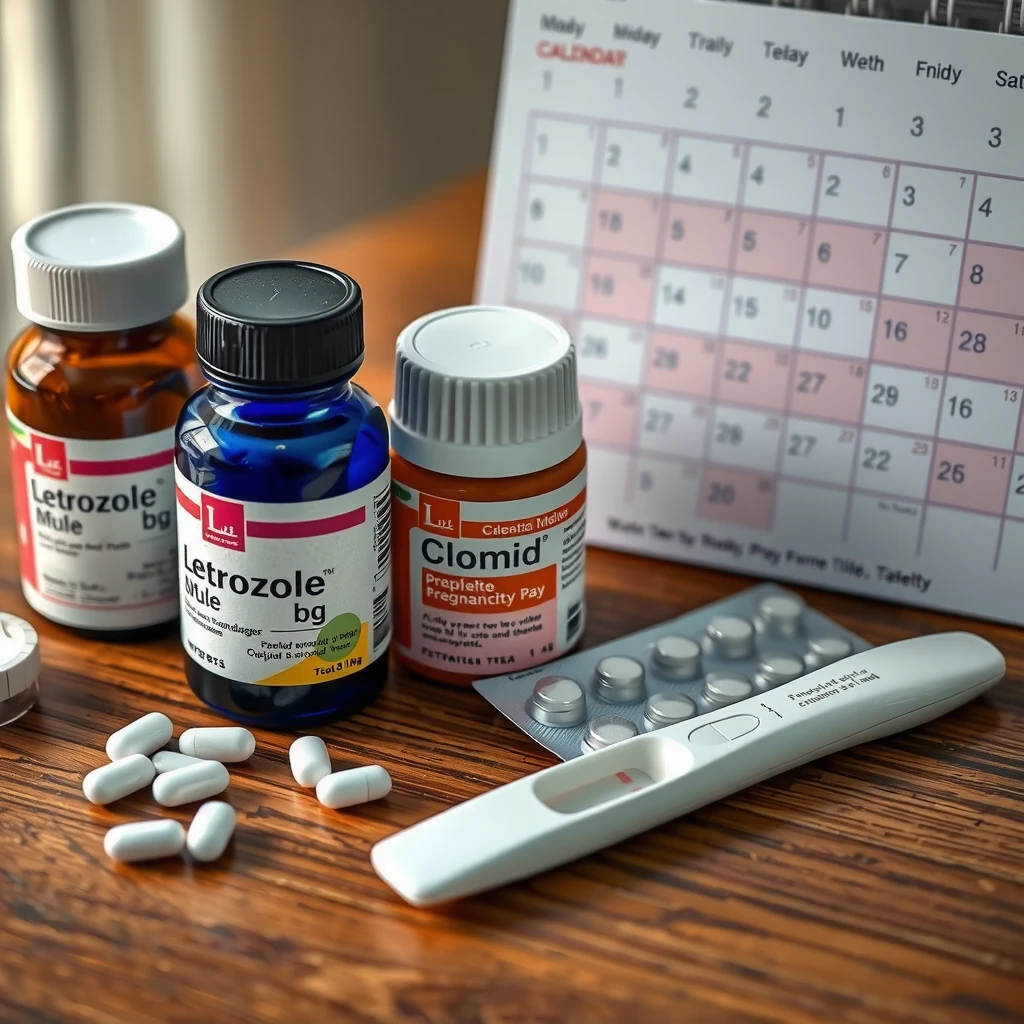
Best Ovulation Inducers for Successful Pregnancy
When dealing with PCOS-related infertility, ovulation inducers are often the first line of treatment.
Letrozole is now the top choice. Studies show it leads to higher live birth rates than older options. It works by lowering estrogen temporarily, prompting your body to produce more follicle-stimulating hormone.
Clomid (clomiphene citrate) was long the go-to but has more side effects like thinner uterine lining.
Metformin, an insulin-sensitizing drug, helps especially if you have insulin resistance. It often pairs with letrozole or clomid for better results.
| Ovulation Inducer | Pros | Cons | Success Rate Insight |
|---|---|---|---|
| Letrozole | Higher ovulation and live births, fewer multiples | Possible hot flashes | Preferred first-line per 2023 guidelines |
| Clomid | Widely available, oral | Vision changes, lower pregnancy rates | Good but second to letrozole |
| Metformin + Inducer | Improves insulin resistance | GI side effects | Boosts other drugs' effectiveness |
| Injectable Gonadotropins | Strong for resistant cases | Higher risk of multiples, costly | Used if orals fail |
Talk to your doctor about the best ovulation inducers for successful pregnancy based on your situation. Many women ovulate within 3-6 cycles.
Advanced Options If Needed
If oral fertility drugs don't work, options include: - Gonadotropin injections. - Laparoscopic ovarian drilling (rare now). - IVF, which bypasses ovulation issues.
IVF success rates are good for PCOS, but monitor closely to avoid overstimulation.
Pregnancy Risks with PCOS
Once pregnant, PCOS raises some risks, but awareness helps manage them.
Common concerns: - Gestational diabetes. - Preeclampsia (high blood pressure). - Preterm birth. - Miscarriage (slightly higher). - Larger babies.
Doctors classify PCOS pregnancies as higher risk, so you get more monitoring like extra ultrasounds and glucose tests.
Personal insight: "My pregnancy felt scary at first with all the warnings, but regular check-ups and controlling my blood sugar made it smooth. My baby arrived healthy."
Tips for a Healthy Pregnancy with PCOS
You can lower risks by: - Gaining the recommended weight. - Eating nutrient-rich foods. - Staying active with doctor-approved exercise. - Monitoring blood sugar. - Taking prenatal vitamins. - Continuing metformin if advised (it's often safe).
Sources like the Mayo Clinic and WHO note that proactive care leads to great outcomes.

Final Thoughts
PCOS and pregnancy come with challenges, but knowledge and treatment make motherhood possible for most women. Focus on health, work with a specialist, and stay positive. Many share stories of joy after the journey.
Always consult your healthcare provider for personalized advice.