Guide to Male Fertility Testing and What to Expect
Dec. 21, 2025, 6:32 a.m.
If you and your partner have been trying to conceive without success, male infertility could play a role in about half of cases. This guide to male fertility testing and what to expect helps you understand the steps, ease your worries, and take control of your fertility journey.
Why Test for Male Fertility?
Many couples face infertility, and it's not just a women's issue. Male factors contribute to around 40-50% of cases. Getting tested early can identify problems quickly and open doors to effective treatments.
You might feel nervous about starting this process. That's normal. I remember when a close friend went through it—he worried it would feel embarrassing, but he found the doctors professional and supportive. Testing gives you answers and hope.

When Should You Get Tested?
Doctors recommend evaluation after 12 months of trying to conceive without success. If you're over 35 or have known risk factors—like past injuries, infections, or chemotherapy—seek help sooner.
Start with your primary care doctor or a urologist specializing in fertility. They will take a full history and perform a physical exam.
The First Step: Semen Analysis
The cornerstone of male fertility testing is semen analysis. You provide a sample (usually at a clinic or lab), and experts check:
- Sperm count
- Motility (how well they move)
- Morphology (shape)
- Volume and other factors
Expect to abstain from ejaculation for 2-5 days before the test for accurate results. Many men do two tests a few weeks apart because results can vary. Learn more about semen analysis procedure and results from Cleveland Clinic.
Abnormal results don't mean you can't father a child—they just point to areas that might need attention.
Physical Exam and Medical History
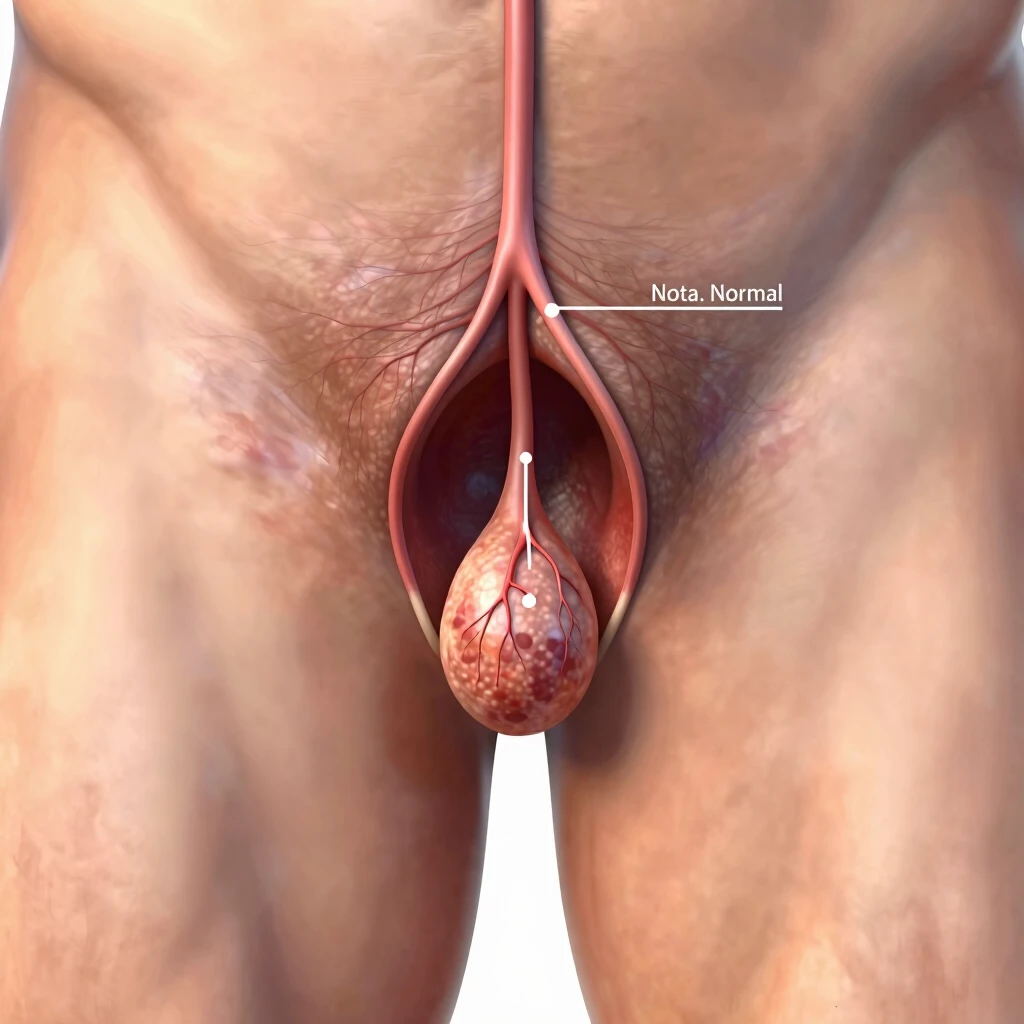
Your doctor will examine your genitals for issues like varicoceles (enlarged veins in the scrotum). They will also ask about your health, medications, lifestyle, and sexual history.
Varicoceles are a common cause of male infertility, affecting sperm production by raising testicular temperature. Cleveland Clinic explains how varicoceles contribute to infertility.
Additional Tests If Needed
If semen analysis shows issues, further tests may include:
- Hormone blood tests (testosterone, FSH, etc.)
- Genetic testing
- Ultrasound of the scrotum
- Testicular biopsy (rarely)
Mayo Clinic outlines diagnosis and treatment options for male infertility, including these advanced steps.
Common Causes of Male Infertility
Here are some frequent culprits:
| Cause | Description | Possible Treatment |
|---|---|---|
| Varicocele | Enlarged veins in scrotum | Surgical repair (varicocelectomy) |
| Hormonal imbalances | Low testosterone or other issues | Medication |
| Blockages | From infections or surgery | Surgery to clear |
| Lifestyle factors | Smoking, obesity, heat exposure | Changes in habits |
| Genetic factors | Chromosome issues | Assisted reproduction |
Male infertility and varicocele treatment often starts with simple surgery that improves sperm quality in many men.
Treating Varicocele and Other Issues
For varicoceles, doctors often recommend varicocelectomy—a procedure to tie off the swollen veins. Many men see improved sperm parameters afterward. More on varicocelectomy from Cleveland Clinic.
Other treatments range from lifestyle changes (quit smoking, lose weight) to medications or assisted reproductive technologies like IUI or IVF.

Emotional Side of Testing
Testing can bring stress, anxiety, or even relief. Talk openly with your partner. Many couples find counseling helpful. Remember, most issues have solutions, and options like sperm donation or adoption exist too.
One man I know said the hardest part was waiting for results, but once he had a plan, he felt empowered.
What to Expect Moving Forward
Testing usually takes a few weeks to months. Stay positive—many men with abnormal results still father children naturally or with help.
In summary, this guide to male fertility testing and what to expect shows that the process is straightforward, private, and often leads to good outcomes. Don't delay seeking help if you're concerned about infertility.
Take action today for the family you want tomorrow.