Understanding Male Infertility and Varicocele Treatment: Your Path to Better Fertility
Dec. 20, 2025, 5:21 p.m.
Overview
Male infertility affects many couples trying to conceive. Varicocele, a common cause, involves swollen veins in the scrotum that can harm sperm production. This article dives into male infertility and varicocele treatment options to help you make informed choices.
Male infertility is a big issue for couples around the world. It means a man struggles to get his partner pregnant after trying for at least a year. About half of all infertility cases involve men. Many factors play a role, but one common culprit is varicocele.
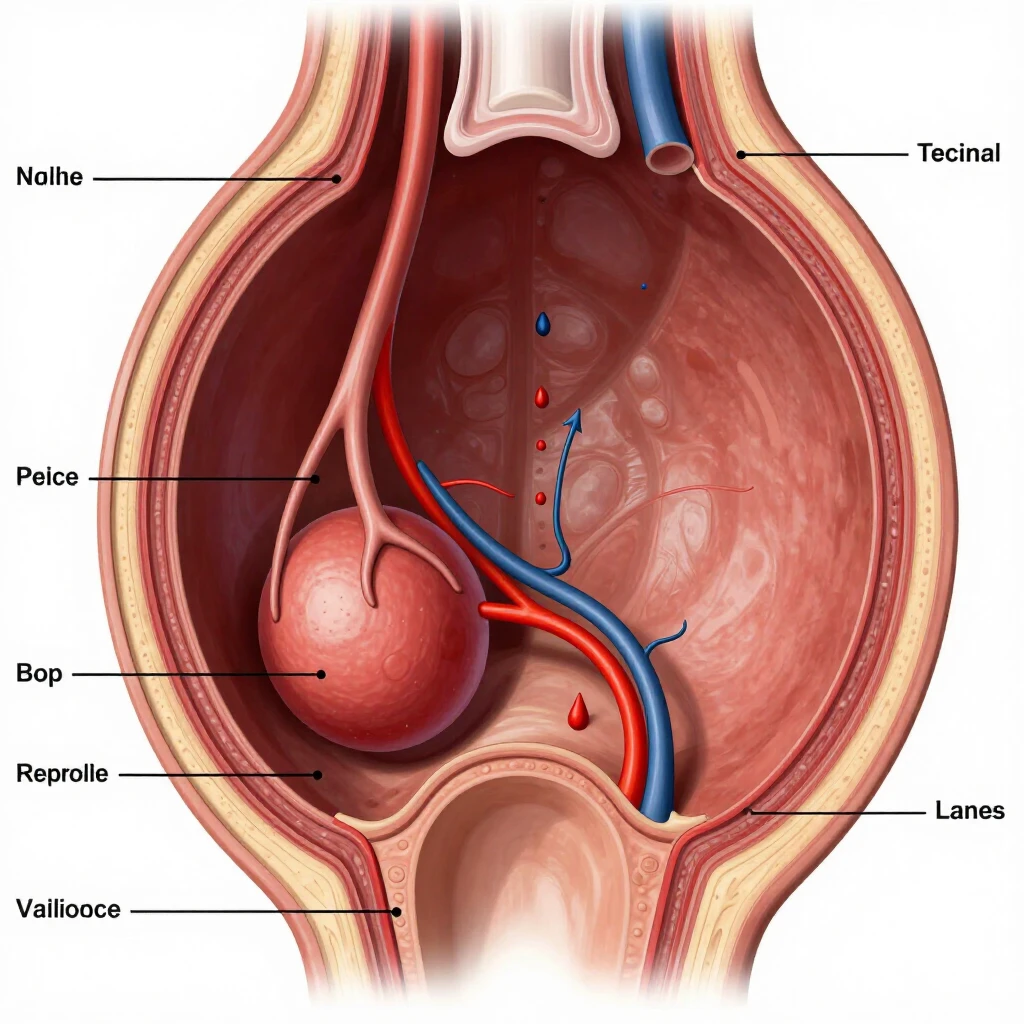
Think of varicocele as varicose veins but in the scrotum. These swollen veins can raise the temperature around the testicles, which hurts sperm quality and count. If you're dealing with infertility, understanding varicocele could be key.
I remember talking to a friend who faced this. He felt alone at first, but learning about male infertility and varicocele treatment changed everything for him. Let's break it down step by step.
What Causes Male Infertility?
Male infertility happens when something goes wrong with sperm production, movement, or shape. Common causes include hormone imbalances, infections, or lifestyle choices like smoking and heavy drinking.
Varicocele stands out because it affects up to 15% of men. It often starts during puberty and worsens over time. Blood pools in the veins instead of flowing out, leading to problems.
Other causes might include blocked tubes that carry sperm or genetic issues. But varicocele is fixable, which makes it a hopeful area in male infertility treatment.
Spotting the Signs of Varicocele
Many men with varicocele have no symptoms. But some feel a dull ache in the scrotum, especially after standing all day or exercising. The pain often eases when you lie down.
You might notice swelling or a lump that feels like a bag of worms. One testicle could look smaller than the other. If infertility is your main concern, these signs might point to varicocele.
My buddy didn't have pain, but he noticed one side felt different. That led him to get checked. Early detection helps in managing male infertility.
How Doctors Diagnose It
Your doctor starts with a physical exam. They ask you to stand and strain, like coughing hard, to feel the veins. This is called the Valsalva maneuver.
If needed, they use ultrasound to see the veins clearly. For fertility issues, a semen analysis checks sperm count, shape, and movement. Blood tests might look at hormones like testosterone.
Varicoceles get graded from 1 to 3, with 3 being the largest. Higher grades often link more to infertility.
Treatment Options for Varicocele
If varicocele causes pain or infertility, treatment can help. The main goal in male infertility and varicocele treatment is to improve sperm quality and boost conception chances.
Surgery is common. A varicocelectomy seals off the bad veins so blood flows through healthy ones. Doctors do this through a small cut in the groin or belly.
Another option is embolization. A specialist threads a tube through a vein in your neck or groin to block the bad veins with coils or fluid. It's less invasive and you go home the same day.
No treatment might work if you have no symptoms. But for infertility, fixing it can make a difference.
Here's a quick comparison of treatments:
| Treatment | How It Works | Recovery Time | Success Rate |
|---|---|---|---|
| Surgery (Varicocelectomy) | Cuts and ties off veins | 1-2 weeks | 60-90% improvement in sperm |
| Embolization | Blocks veins with coils | Same day | 85-95% symptom relief |
| No Treatment | Monitor only | None | Varies, no fix for infertility |

Success Rates and What to Expect
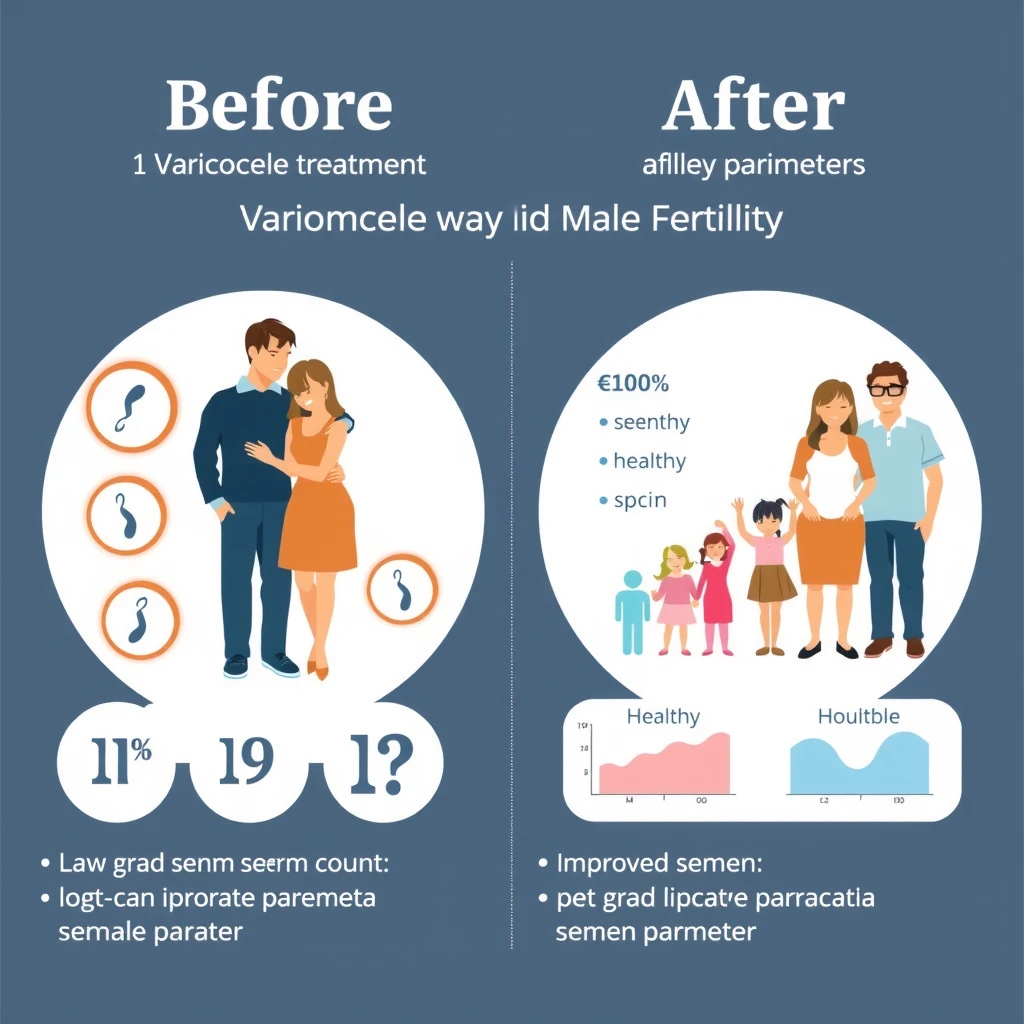
Studies show varicocele repair improves sperm parameters in about 60-70% of men. Pregnancy rates can rise by 30-50% after treatment.
For example, one source from the Mayo Clinic notes that about 40% of men with infertility have varicocele, and fixing it helps many. Success depends on varicocele size and your overall health.
Risks include infection, bleeding, or the varicocele coming back, but they're low—around 1-10%. Embolization has fewer risks than surgery.
My friend chose surgery. Six months later, his sperm count improved, and they conceived naturally. It wasn't instant, but it worked.
Lifestyle Changes to Support Fertility
While treating varicocele, make smart changes. Eat foods rich in antioxidants like fruits and nuts. Exercise regularly but avoid heavy lifting that strains the area.
Quit smoking and limit alcohol. Wear supportive underwear to reduce pressure. These steps aid in fighting male infertility.
- Stay cool: Avoid hot tubs and tight pants.
- Manage weight: Extra pounds can worsen vein issues.
- Get checked regularly: Track sperm health post-treatment.
When to Seek Help
See a doctor if you have scrotal pain, swelling, or trouble conceiving. Early action in male infertility and varicocele treatment boosts outcomes.
Urologists or fertility specialists guide you. They might refer you to sites like the American Urological Association for more info: Urology Health.
Personal Insights from Real Experiences
I've heard stories from men who felt embarrassed at first. One guy shared how varicocele made him question his manhood. But treatment restored his confidence.
Another perspective: A couple tried for years. After his varicocele fix, they had twins via IVF. It shows treatment can team up with other fertility helps.
Remember, infertility isn't just a 'man' or 'woman' problem—it's a team effort. Open talks help.
Wrapping It Up
Male infertility, often linked to varicocele, is treatable. From diagnosis to surgery or embolization, options exist to improve your odds. Act early, live healthy, and seek expert advice for the best results.
With advances in male infertility and varicocele treatment, more couples succeed. You're not alone—help is out there.