Advances in Egg Freezing: Preserve Your Options
Dec. 20, 2025, 6:36 a.m.
Overview
Egg freezing has transformed how women approach family planning. Advances in egg freezing allow you to preserve your options for having children later in life. This technology gives control over timing, whether for career, personal reasons, or health issues.

Women today often delay starting a family. Careers, education, or finding the right partner play big roles. But fertility declines with age, making conception harder after 35. Egg freezing, or oocyte cryopreservation, lets you store younger, healthier eggs for future use.
The biggest breakthrough came with vitrification. This fast-freezing method replaced older slow-freezing techniques. Now, eggs survive thawing at rates of 90-97%. Pregnancy outcomes match those from fresh eggs.
Many women share stories of relief after freezing their eggs. One woman in her mid-30s said it felt like hitting pause on her biological clock. She focused on her job without worry. Years later, she used her eggs successfully.
How Egg Freezing Works
The process starts with hormone injections to stimulate your ovaries. You produce multiple eggs instead of one. Doctors monitor progress with ultrasounds and blood tests.
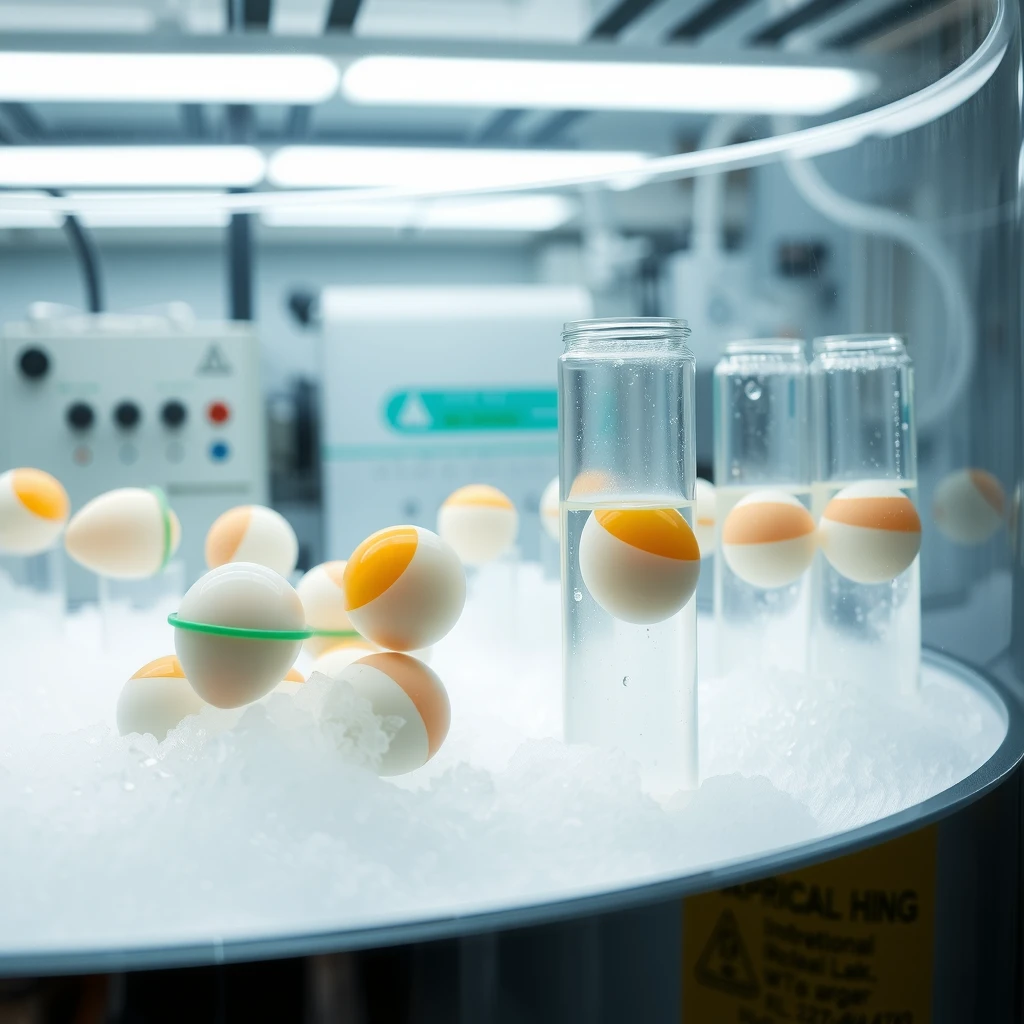
Then, they retrieve the eggs in a quick procedure under sedation. Eggs go straight to the lab for vitrification. They flash-freeze in liquid nitrogen and store safely.
When ready, doctors thaw the eggs, fertilize them with sperm, and transfer embryos to your uterus. It's similar to standard IVF.
Success Rates and Factors
Success depends mainly on your age when freezing. Younger eggs yield better results.
Here are key points: - Freeze before 35 for best chances. - Aim for 15-20 mature eggs for good odds of one live birth. - Survival rates after thawing reach over 90% with modern methods.
Studies show live birth rates comparable to fresh eggs. The American Society for Reproductive Medicine supports this as a reliable option.
Genetic screening before fertility treatment adds value. After thawing and fertilizing, you can use preimplantation genetic testing (PGT). It checks embryos for chromosomal issues, improving success and reducing miscarriage risk.
Who Benefits from Egg Freezing?
Women facing infertility risks choose this often. Cancer treatments like chemotherapy damage eggs. Freezing beforehand preserves options.
Others elect it to delay parenthood. It's not just for medical reasons anymore. Many healthy women in their 30s take this step.
Personal insight: Friends who froze eggs describe empowerment. One battled endometriosis and infertility fears. Freezing gave her hope during tough treatments.
Risks and Considerations
The process is safe overall. Side effects from hormones include bloating or mood changes. Rare risks involve ovarian hyperstimulation.
Costs add up, often $10,000-15,000 per cycle plus storage fees. Insurance covers less for elective cases.
No guarantees exist. Not all eggs lead to babies. But advances make it more reliable than ever.
Integrating genetic screening before fertility treatment helps. PGT identifies healthy embryos, especially useful for older eggs.

Latest Advances
Ongoing improvements include better stimulation protocols and automation in labs. Some clinics explore egg maturation in vitro for fewer cycles.
Research from places like Mayo Clinic and Johns Hopkins shows high success. Vitrification revolutionized the field.
For more details, check these sources: - Evidence-based outcomes after oocyte cryopreservation from ASRM - Egg freezing overview from Mayo Clinic - Freezing eggs guide from Johns Hopkins Medicine - Preimplantation genetic testing info from UCSF
Summary
Advances in egg freezing preserve your options like never before. Vitrification and better protocols make it effective and accessible. If considering it, consult a specialist soon—age matters most. This tool empowers women to plan families on their terms.