Understanding the Impact of Gonadotropins on Reproductive Health
Dec. 17, 2025, 5:20 p.m.
Overview
Gonadotropins play a vital role in reproductive health. These hormones help regulate fertility in both men and women. Understanding the impact of gonadotropins on reproductive health can empower you if you're facing infertility challenges. This article breaks it down simply.
What Are Gonadotropins?
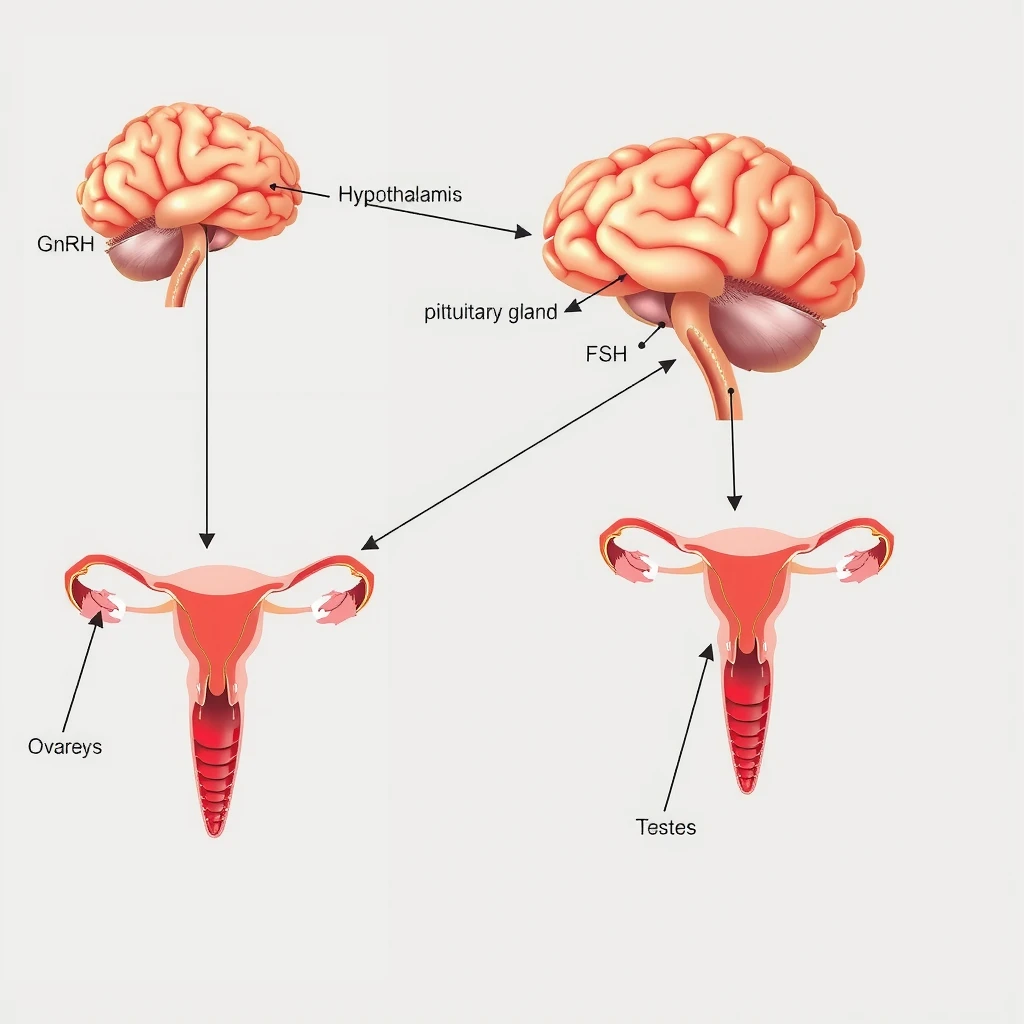
Gonadotropins are hormones produced by your pituitary gland. The two main ones are follicle-stimulating hormone (FSH) and luteinizing hormone (LH). They direct your body's reproductive processes.
Your brain's hypothalamus releases gonadotropin-releasing hormone (GnRH). This signals the pituitary to make FSH and LH. These then travel to your ovaries or testes.
In women, FSH helps eggs mature in the ovaries. LH triggers ovulation—the release of a mature egg. Together, they support estrogen and progesterone production, which prepare the body for pregnancy.
In men, FSH supports sperm production. LH stimulates testosterone, which is key for sperm development and male traits.
When levels are off balance, problems arise. Too little can cause infertility. Too much might lead to issues like polycystic ovary syndrome (PCOS) in women.
How Gonadotropins Affect Fertility
Healthy gonadotropin levels keep your reproductive system running smoothly. They drive puberty, monthly cycles in women, and ongoing sperm production in men.
Many couples face infertility due to gonadotropin issues. About 10-15% of couples struggle to conceive, and hormone imbalances play a big part in some cases.
For example, low FSH or LH can stop ovulation or reduce sperm count. Conditions like hypogonadotropic hypogonadism mean the pituitary doesn't make enough gonadotropins.
On the flip side, high levels might cause multiple eggs to release at once, raising risks in natural cycles or treatments.
Gonadotropins as Fertility Drugs
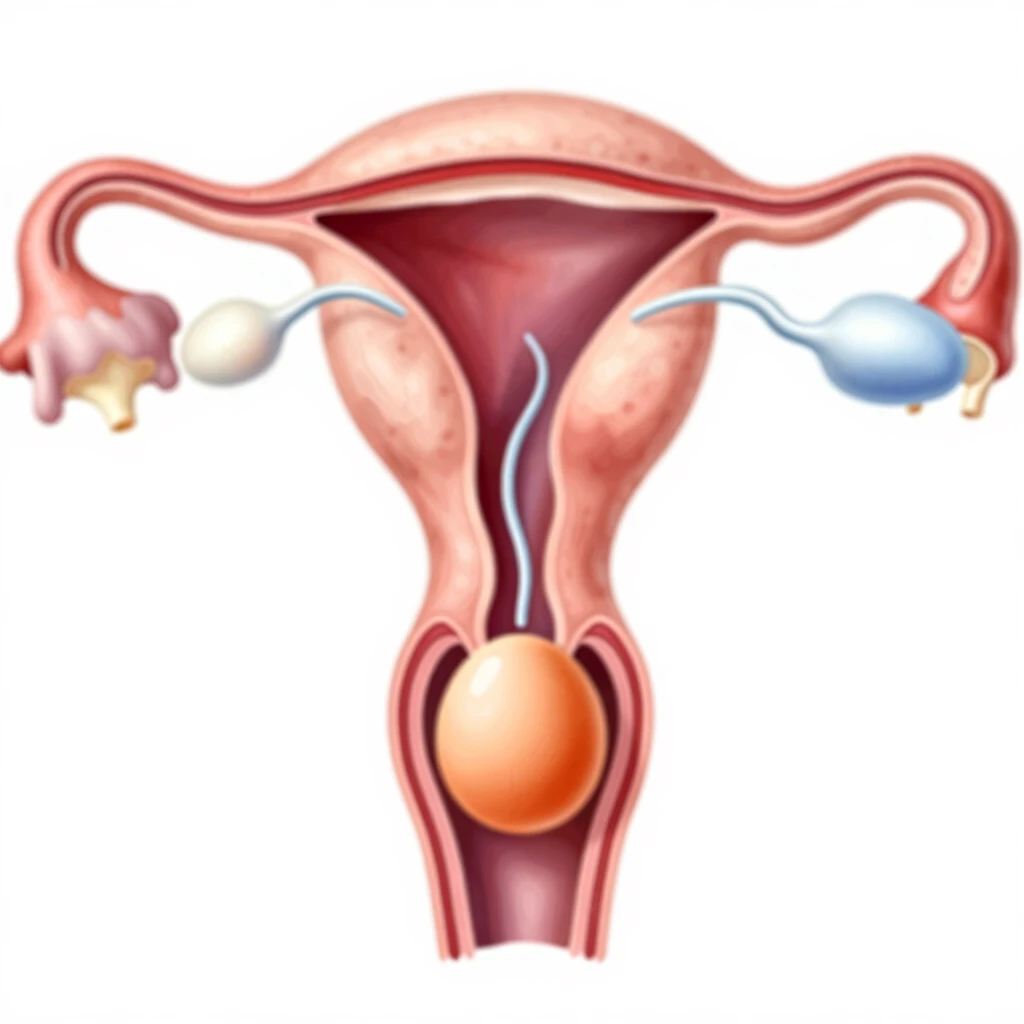
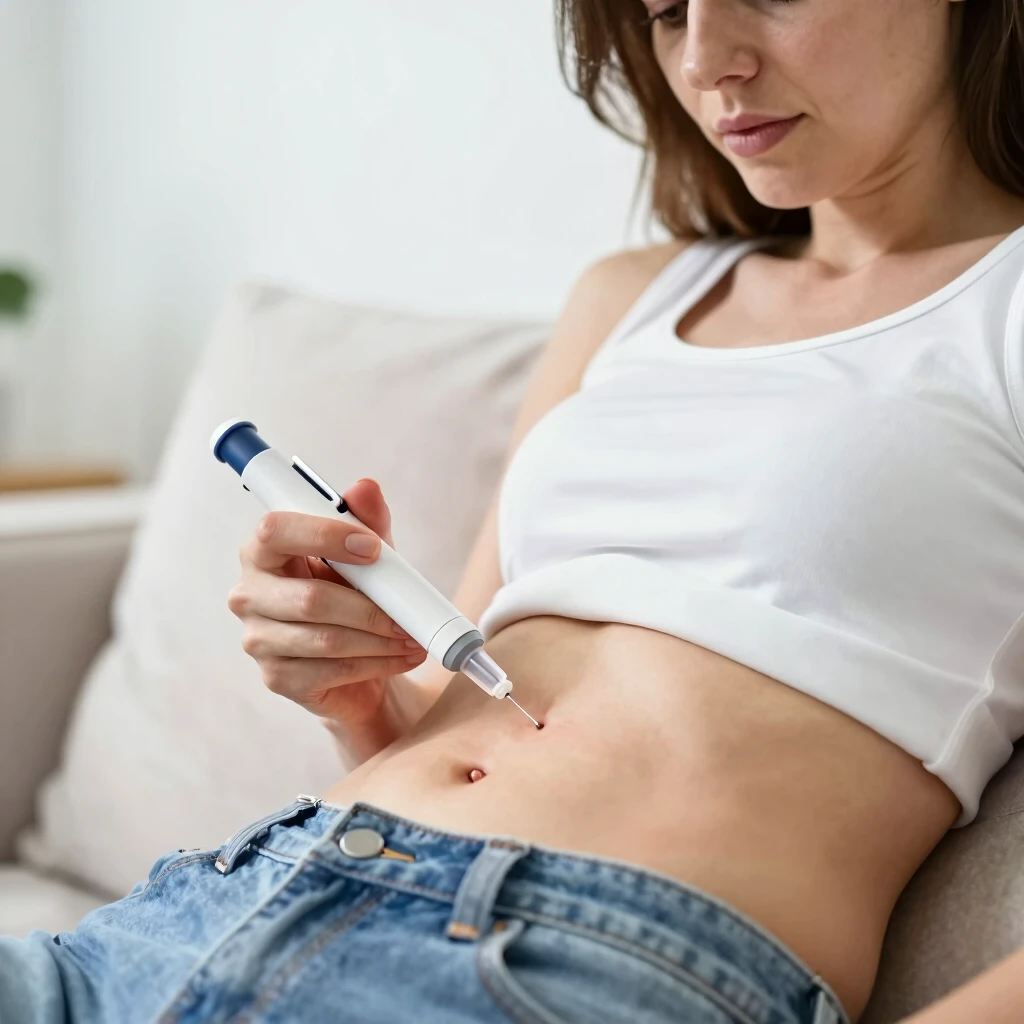
Doctors use injectable gonadotropins as fertility drugs to treat infertility. These mimic natural FSH and LH.
Common ones include recombinant FSH (like Gonal-F) and combinations with LH or hCG (human chorionic gonadotropin, which acts like LH).
In women, these drugs stimulate ovaries to produce multiple eggs for treatments like IVF. They help women who don't ovulate regularly, such as those with PCOS.
In men, gonadotropins boost sperm production in cases of low hormone levels.
I've seen friends go through this. One couple shared how daily injections felt overwhelming at first, but monitoring helped them adjust doses and achieve pregnancy.
Benefits and Risks of Gonadotropin Therapy
Gonadotropin treatments have helped millions conceive. They offer hope when simpler options like clomiphene fail.
Key Benefits: - Higher chance of multiple follicles for IVF - Effective for low gonadotropin causes of infertility - Can restore natural cycles in some cases
Potential Risks: - Ovarian hyperstimulation syndrome (OHSS), causing swollen ovaries - Multiple pregnancies (twins or more) - Injection site reactions, bloating, or mood changes
Doctors monitor closely with ultrasounds and blood tests to minimize risks.
Personal insight: Start with lifestyle changes—healthy weight, diet, and stress management can naturally support gonadotropin balance before jumping to injections.
When to Test Gonadotropin Levels
If you've tried conceiving for a year (or six months if over 35), see a specialist. They may test FSH, LH, and other hormones on specific cycle days.
High FSH might signal low ovarian reserve. Low levels could point to pituitary issues.
Early testing provides options. Many find relief knowing the cause and starting targeted treatment.
Summary
Gonadotropins are essential for reproductive health. They drive fertility naturally and serve as powerful tools in infertility treatment. Understanding the impact of gonadotropins on reproductive health helps you make informed choices. Consult experts for personalized advice—many overcome challenges successfully.