Women’s Health: Understanding Infertility
Dec. 15, 2025, 6:51 a.m.
Overview
Infertility affects millions of women, but knowledge empowers you to take control. This article dives into causes, diagnosis, treatments like IVF, and lifestyle tips, including nutrition for better conception chances. Let's explore how to navigate this journey.
Infertility hits close to home for many. It's when you can't get pregnant after trying for a year—or six months if you're over 35. It also includes trouble staying pregnant. About 10% of women aged 15-44 in the US face this, per CDC data. It's not just a woman's issue; men contribute too. But focusing on women's health, understanding infertility starts with knowing the basics.
Pregnancy needs several steps to work: an egg releases from the ovary, travels down the fallopian tube, meets sperm, fertilizes, and implants in the uterus. Any glitch here can cause infertility.
What Causes Infertility in Women?
The top culprit? Ovulation problems. No egg means no pregnancy. Conditions like polycystic ovary syndrome (PCOS) mess with hormones and stop regular ovulation. It's the most common cause.
Another issue is primary ovarian insufficiency (POI), where ovaries quit early, before age 40. Blocked fallopian tubes from infections, endometriosis, or past surgeries also play a role. Uterine fibroids or structural problems in the uterus can interfere too.
Age matters a lot. Fertility drops after 30, and sharply after 35. Eggs decrease in number and quality, raising miscarriage risks.
Men's side? Low sperm count, poor movement, or blockages. But since we're talking women's health, remember infertility often involves both partners.

Risk Factors and Lifestyle Impacts
Your daily habits influence fertility big time. Smoking damages eggs and speeds up ovarian aging. Too much alcohol disrupts hormones. Stress? It can throw off your cycle.
Weight plays a key role. Being underweight or overweight affects ovulation. Extreme exercise might stop periods altogether. STIs like chlamydia can scar tubes if untreated.
Environmental toxins, like pesticides, might harm too. Addressing these infertility diagnosis and lifestyle factors early can improve odds.
From my chats with women who've been through this, one shared how quitting smoking and managing stress through yoga turned things around. Small changes add up.
Nutrition and Fertility: Best Foods for Conception
What you eat fuels your body for pregnancy. A balanced diet boosts egg quality and hormone balance. Focus on whole foods rich in key nutrients.
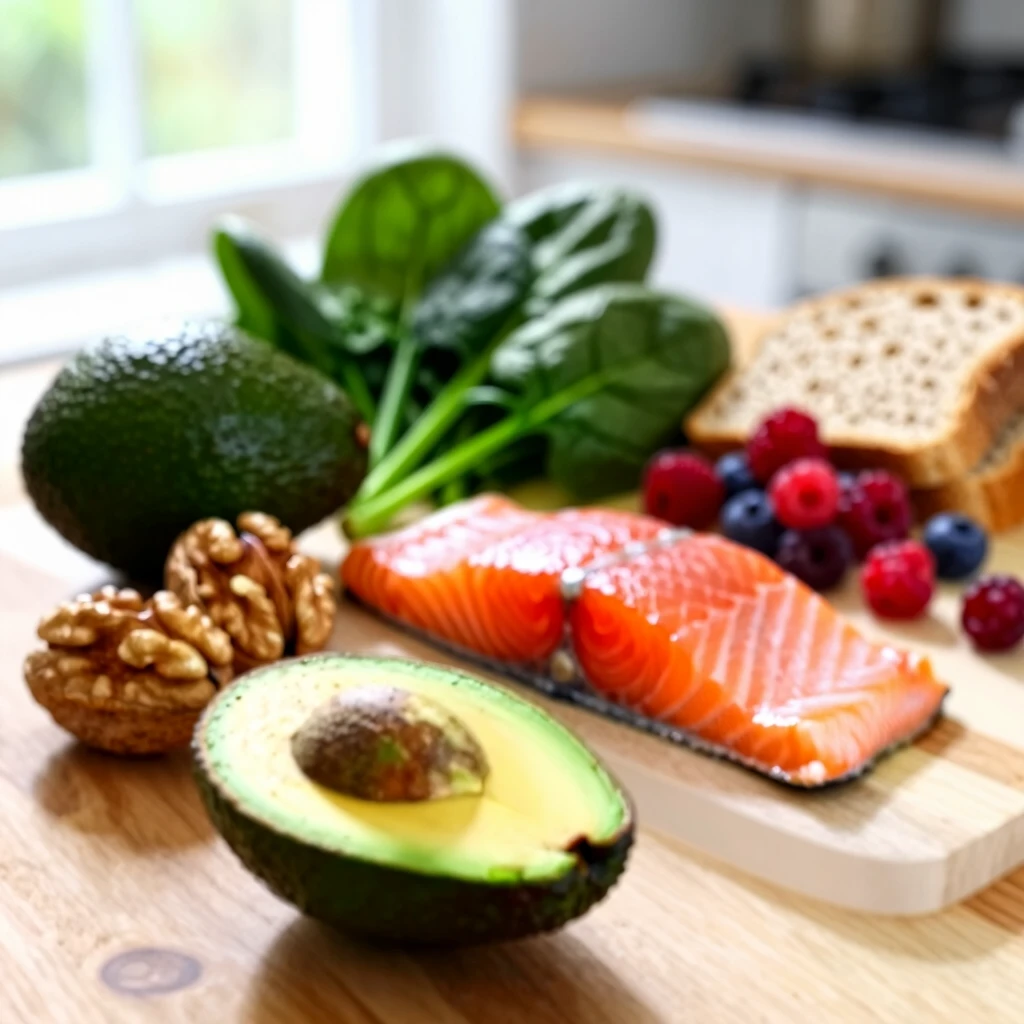
Folic acid is crucial—get it from leafy greens, citrus, and fortified cereals to prevent birth defects. Omega-3s from salmon or walnuts reduce inflammation and support ovulation.
Antioxidants in berries fight oxidative stress on eggs. Lean proteins like chicken and beans provide building blocks. Whole grains stabilize blood sugar, vital for PCOS.
Avoid processed foods and sugary drinks; they can harm ovulation. Drink plenty of water and limit caffeine.
Here's a quick table of top foods:
| Food Group | Examples | Benefits |
|---|---|---|
| Fruits & Veggies | Spinach, oranges, berries | Folate, vitamins, antioxidants |
| Proteins | Eggs, nuts, fish | Hormone support, healthy fats |
| Grains | Oats, quinoa | Fiber for blood sugar control |
| Dairy | Yogurt, low-fat milk | Calcium for bone health |
Aim for a Mediterranean-style diet—it's linked to better fertility.
Infertility Diagnosis: What to Expect
Diagnosis starts with your story—health history, periods, sex life. Your doctor checks for signs.
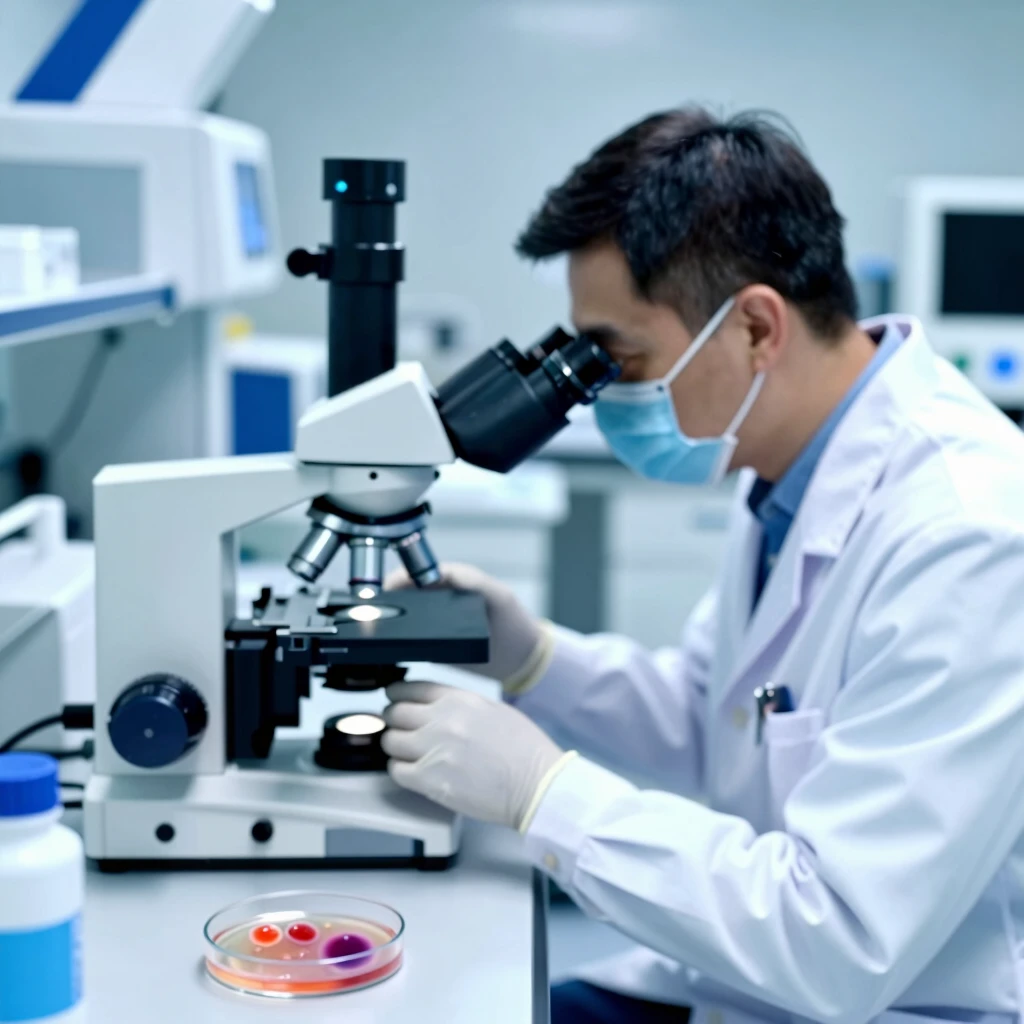
For women, blood tests measure hormones. Ultrasounds look at ovaries and uterus. A hysterosalpingogram x-ray checks tube blockages with dye.
Men get semen analysis for count and motility. It might take time, but pinpointing the issue guides treatment.
One woman I know described the process as emotional but empowering. 'Knowing why helped me feel in control,' she said.
For detailed steps, check the CDC's guide on infertility diagnosis and treatment, which outlines common methods.
Treatment Options: From Meds to IVF
Treatments vary by cause. Medicines like clomiphene stimulate ovulation, especially for PCOS.
Surgery fixes blockages or removes fibroids. Intrauterine insemination (IUI) places sperm directly in the uterus.
IVF is a game-changer for many. Eggs are retrieved, fertilized in a lab, and embryos transferred back. Success rates? About 39% for under-35s, per CDC, dropping with age.
Risks include multiples, which can lead to preterm birth. But advances like single embryo transfer reduce that.
A friend underwent IVF after years of trying. 'It was tough, but holding my baby made it worth it,' she shared. Always discuss options with your doctor.
Learn more about IVF processes and risks from this NIH review on infertility management.
For nutrition's role, the Mayo Clinic's pregnancy nutrition advice highlights essential foods.
And for diet connections, see Harvard Health's fertility and diet insights.
Wrapping Up
Infertility challenges many, but options exist. From lifestyle tweaks like better nutrition to advanced treatments like IVF, hope is real. Talk to your doctor early. You're not alone in this.