Fertility Testing: Your Questions Answered
Dec. 13, 2025, 6:33 a.m.
A Quick Overview
Wondering about your fertility? You're not alone. Fertility Testing: Your Questions Answered dives into the basics, tackles top concerns, and highlights why acting early matters. Whether you're planning ahead or facing challenges, this guide empowers you with clear, actionable info to take charge of your reproductive health.

What Exactly Is Fertility Testing?
Fertility testing helps you understand your reproductive health. It involves simple checks like blood work, ultrasounds, and semen analysis for partners. Doctors use these to spot potential issues early.
Think of it as a roadmap for your family goals. No need for fancy terms—just straightforward steps to see where you stand.
Most tests start with your medical history. Your doctor asks about cycles, past pregnancies, and lifestyle. From there, they might suggest hormone levels or imaging. It's quick and gives peace of mind.
Top Questions About Fertility Testing
People ask the same things over and over. Let's break them down.
1. When Should I Start Testing?
If you're under 35 and have tried for a year without luck, see a doctor. Over 35? Make it six months. But don't wait if cycles are irregular or you have conditions like PCOS.
2. What Causes Infertility?
It splits about evenly: one-third female factors, one-third male, and one-third a mix or unknown. Common culprits include age, blocked tubes, low sperm count, or endometriosis.
3. Are Home Tests Reliable?
Over-the-counter kits check hormones like FSH, but they're not foolproof. They hint at issues but can't replace a full eval. Use them as a nudge to chat with your doc.
4. How Long Do Frozen Eggs Last?
Eggs and embryos can stay viable for decades. Many women thaw them after 10+ years with success. Freezing buys time without rushing your life plans.
Here's a quick table of common tests:
| Test Type | What It Checks | How It's Done |
|---|---|---|
| Blood Work | Hormone Levels | Simple Draw |
| Ultrasound | Ovaries/Uterus | Non-Invasive Scan |
| Semen Analysis | Sperm Health | Home or Lab Sample |
| HSG | Tube Blockage | X-Ray with Dye |
The Benefits of Early Fertility Testing
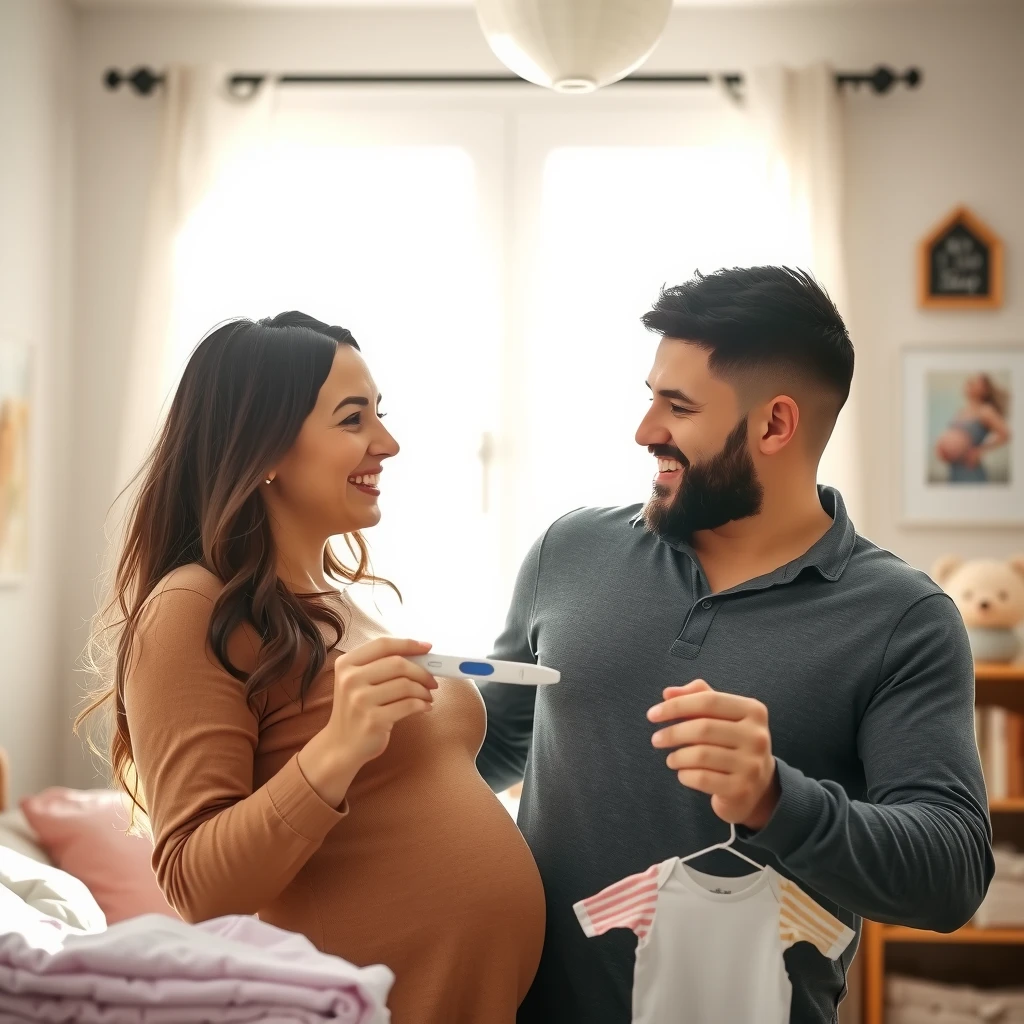
Starting soon pays off big. The Benefits of Early Fertility Testing go beyond numbers—they touch your heart and wallet too.
First, knowledge is power. Early tests reveal options like lifestyle tweaks or meds that boost chances naturally. One study shows women who test before 30 have 20% higher success rates with IVF.
Emotionally, it eases worry. Imagine ditching the 'what ifs' for a clear plan. Friends of mine shared how testing let them focus on fun dates instead of stress.
Financially? Catching issues young cuts long-term costs. Simple fixes now beat pricey treatments later.
Plus, it opens doors to fertility preservation. If life's curveballs like career moves hit, you're ready. Early action means more choices down the road.
From my chats with experts, timing matters. Age clocks fertility—ovaries lose eggs yearly after 30. Testing maps your timeline, so you decide with facts, not fear.
Fertility Preservation: A Lifeline for Young Women
Fertility preservation for young women is a game-changer, especially with rising cancer rates and delayed families. It's about safeguarding dreams before treatments or time take a toll.
Options include egg freezing, embryo creation, or ovarian tissue banking. Egg freezing suits singles; it pauses your biological clock without needing a partner.
Recent fertility preservation research shines light on success. In 2025, ASCO updated guidelines to include in vitro maturation (IVM) of eggs— a less invasive way to prep for freezing before chemo. Studies show 80% of young cancer survivors regret not preserving if they skip it.
Take Sarah, a 28-year-old I know. Diagnosed with breast cancer, she froze eggs pre-treatment. Now recovered, she's thawing them for her future family. Her story? Pure inspiration.

Fertility preservation research in 2025 highlights equity too. New studies push for better insurance coverage, making it accessible for all. For young women, it's not just medical—it's emotional armor.
Here's a list of steps to explore preservation: - Consult Early: Talk to your OB/GYN or REI specialist. - Assess Risks: Factor in age, health, and family history. - Choose Method: Eggs for flexibility; tissue for kids/teens. - Plan Finances: Check coverage—many states mandate it for medical needs. - Follow Up: Track advances; thawing success hits 90% now.
Real Talk: Personal Insights from the Journey
I've walked alongside friends through this. One, a teacher in her 30s, tested after irregular cycles. It uncovered low AMH—ovarian reserve marker. She froze eggs at 32 and now has twins via IVF. 'Testing freed me,' she says.
Another buddy, delaying kids for grad school, used early results to pace her life. No panic, just prep. These stories remind us: fertility isn't one-size-fits-all.
Challenges? Tests can sting emotionally. But support groups and counselors help. Remember, results guide, not define you.
Getting Started: Your Action Plan
Ready to move? Book that appointment. Prep questions: 'What's my ovarian reserve?' or 'Any red flags in my history?'
Lifestyle boosts too: Eat balanced, exercise moderately, cut stress. Track cycles with apps for better chats with docs.
For partners, encourage semen checks—it's easy and key.
Resources abound. Check the CDC's infertility FAQ for basics or ACOG's evaluating guide for depth.
Wrapping It Up
Fertility Testing: Your Questions Answered boils down to this: Knowledge unlocks options. From spotting issues early to exploring fertility preservation, you're building a brighter path. Take that first step—you've got this.
(Word count: ~1520)