Egg Freezing for Cancer Patients: A Guide to Fertility Preservation
Dec. 10, 2025, 5:20 p.m.
A Quick Overview
Facing a cancer diagnosis? You're not alone in worrying about fertility preservation for cancer patients. Egg freezing can safeguard your future family dreams before treatments like chemo start. This guide walks you through options, real stories, and next steps in simple terms. (38 words)
Why Egg Freezing Matters for Cancer Patients
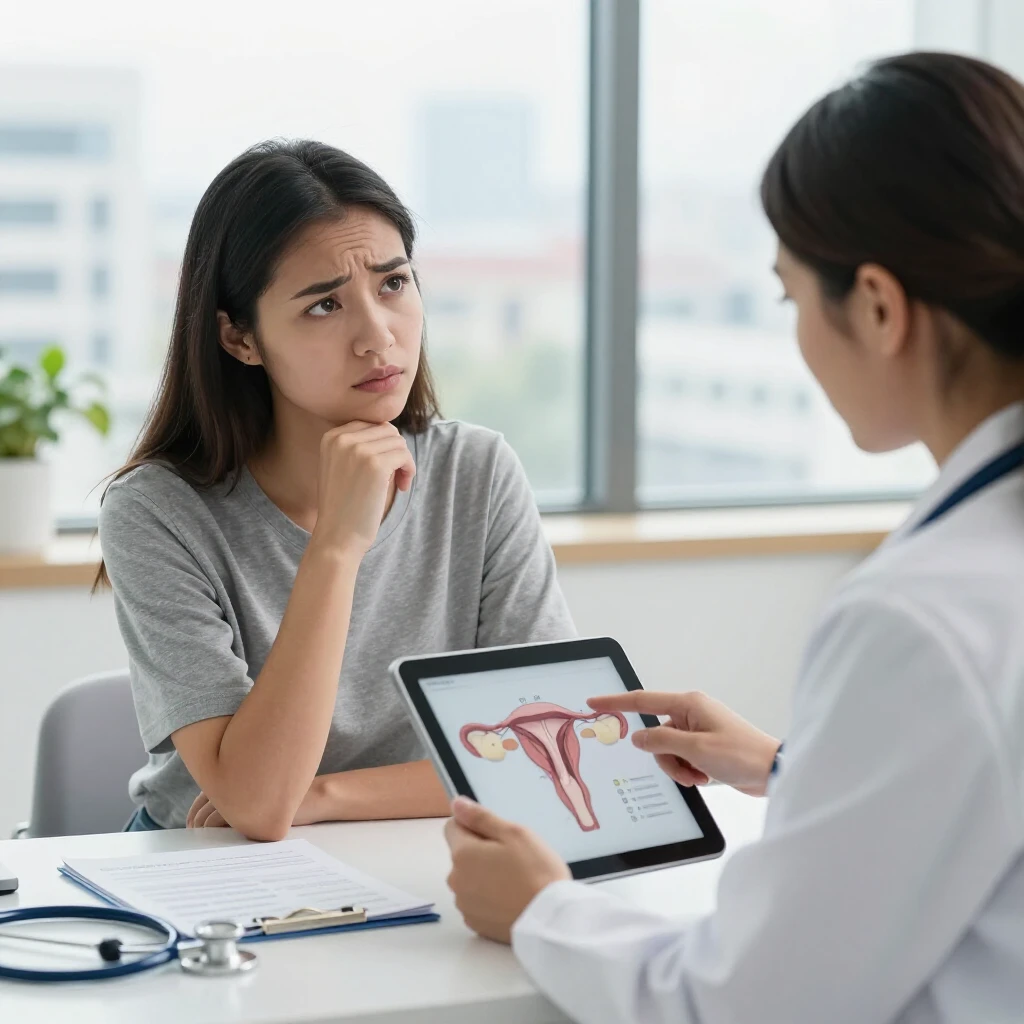
Cancer hits hard. It shakes your world. For many women, one big fear stands out: infertility. Treatments like chemotherapy and radiation can damage ovaries and stop eggs from working right. That's where fertility preservation steps in.
Egg freezing for cancer patients lets you pause your biological clock. You harvest and freeze healthy eggs before treatment begins. Later, doctors can use them for IVF to build a family. It's not a cure-all, but it gives choices.
I remember talking to Sarah, a 28-year-old teacher diagnosed with breast cancer. She said, 'I always pictured kids in my life. Chemo changed that plan overnight. Freezing my eggs felt like grabbing control back.' Her words stuck with me. They show how personal this gets.
Experts agree. The American Society of Clinical Oncology (ASCO) urges doctors to discuss fertility preservation right at diagnosis. Check their latest guidelines here. Mayo Clinic echoes this, noting that acting fast matters because even one chemo session can harm fertility.
But why eggs specifically? For single women or those without a partner, it's straightforward. No need for sperm right away. It empowers you to decide on your timeline.
Fertility Preservation Options: What's Best for You?
Not every path fits every person. Cancer type, age, and treatment speed shape your choices. Here's a quick breakdown:
| Option | Description | Best For | Time Needed |
|---|---|---|---|
| Egg Freezing | Harvest and freeze unfertilized eggs | Single women, quick start | 2 weeks |
| Embryo Freezing | Fertilize eggs with sperm, then freeze | Women with partners | 2-3 weeks |
| Ovarian Tissue Freezing | Remove and freeze ovary strips | Kids or urgent cases | Surgery, 1 day |
| Ovarian Shielding/Transposition | Protect or move ovaries from radiation | Radiation patients | Surgery, quick |
Pick based on your situation. For breast cancer, doctors often add meds like letrozole to keep estrogen low during stimulation. This cuts risks.
Age plays a role too. Under 35? Your eggs respond better to stimulation. Success jumps. Over 35? You might need more cycles, but it's still worth it. Talk to a reproductive endocrinologist—they specialize in this.
The Egg Freezing Process: Step by Step
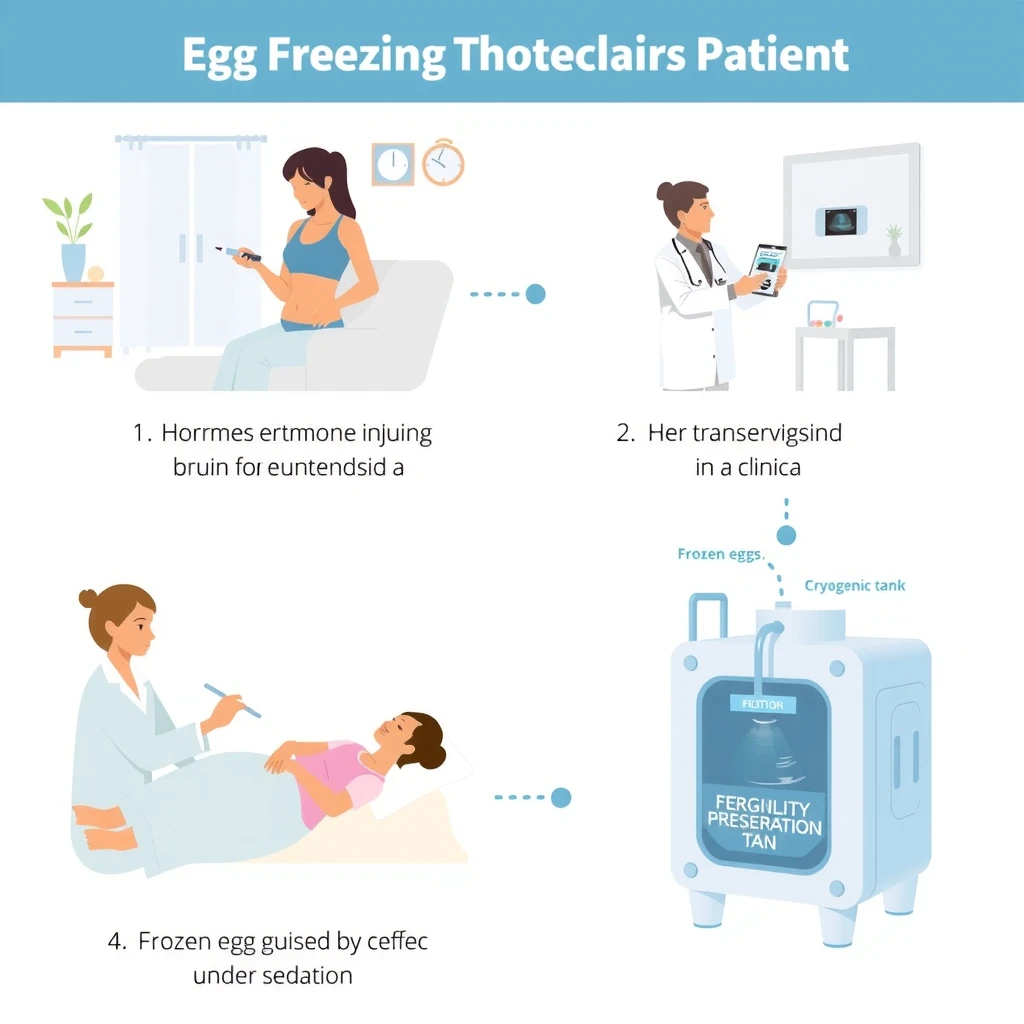
Ready to dive in? The journey takes about two weeks. It's outpatient, mostly. No big scars. Here's what happens:
-
Consult and Tests: Meet your fertility doc. Get blood work for hormones like AMH. An ultrasound counts your egg reserves. Coordinate with your oncologist to green-light it.
-
Stimulation Phase: Daily shots for 10 days. These mimic your cycle but ramp up egg production. You'll visit the clinic every other day for checks. Bloating or mood swings? Normal side effects.
-
Trigger Shot: One final injection ripens the eggs.
-
Retrieval: A quick procedure. Under light sedation, a needle pulls eggs through the vagina. Takes 20 minutes. Most folks go home same day.
-
Freezing: Eggs go into liquid nitrogen. They wait, viable for years.
Kristen, 23, shared her rush: Diagnosed with breast cancer, she squeezed in a cycle before chemo. 'Twenty-seven eggs retrieved—12 frozen. It was emotional, but seeing that number? Pure hope.' Her story, from Fertility Answers, inspires many.
Costs add up. One cycle: $6,000-$12,000, plus meds ($3,000-$5,000). Storage? $500/year. Insurance rarely covers it, but programs like LIVESTRONG Fertility help. Call them at 855-844-7777 for free meds if you qualify.
Memorial Sloan Kettering notes delays rarely hurt cancer outcomes if planned right. But urgency rules—don't wait.
Real Stories: Hope After the Freeze
Stories ground this. Tegan, diagnosed at 18 with lymphoma, froze eggs post-treatment. 'Injections made me spotty and hormonal. But ten eggs frozen? Worth every poke.' She tracked it in a diary, turning worry into wins. Read her full take at Teenage Cancer Trust.
Anna, 25, faced breast cancer. She froze eggs with her team's help. 'It gave me peace amid chaos.' Her journey highlights quick action's power.
These women show resilience. They faced infertility fears head-on. You can too.
Risks, Success, and What If It Doesn't Work?
No procedure's perfect. Stimulation risks: Ovarian hyperstimulation (rare, swelling). Retrieval: Infection or bleeding (under 1%). Freezing thaws 80-90% of eggs, per Mayo Clinic.
Success? Varies. Younger eggs mean higher IVF odds—up to 50% per cycle. ASCO reports live births from frozen eggs match fresh ones.
What if time's short? Ovarian tissue freezing skips stimulation. It's surgery but fast. Experimental for some, established now.
Can't carry? Surrogacy or adoption waits. Counseling helps process emotions. Seek support groups— they're gold.
Actionable tip: Build a team. Oncologist. Fertility specialist. Therapist. Journal your questions. Ask: 'How many eggs for good odds?' 'Does my cancer type change risks?' Knowledge empowers.
For kids or teens: Options adapt. Pre-puberty? Tissue freezing. Puberty hits? Eggs or sperm banking. Always with assent.
Wrapping Up: Your Path Forward
Egg freezing for cancer patients isn't just medical—it's personal power. It fights infertility's shadow, opening doors to fertility preservation. From Kristen's rush to Tegan's grit, stories prove it's doable.
Start today. Chat with your doc. Explore SaveMyFertility.org for tools. You've got this. Future you will thank you. (1,512 words total)