Fertility Testing: What to Expect – Your Step-by-Step Guide to Understanding Infertility
Dec. 8, 2025, 6:35 a.m.
A Quick Overview
Facing challenges in conceiving? Fertility testing: what to expect starts with hope and clarity. If you've tried for a year without success (or six months if over 35), these tests pinpoint causes of infertility. Expect consultations, simple exams, and lab work. Both partners play a role—male infertility accounts for about 40% of cases. This guide walks you through it all, with tips to prepare and personal stories from those who've been there.

Why Start Fertility Testing?
Infertility hits hard, but testing brings answers. Many couples feel isolated, yet one in eight faces this. I remember a client, Sarah, who shared, 'We waited too long, fearing judgment. Testing gave us direction.' Experts from the Cleveland Clinic agree: early evaluation boosts chances.
Start with your doctor. They'll review your history—cycles, habits, meds. For women under 35, wait a year; over 35, six months. Men? Always test early, as semen analysis reveals much.
Who Needs Testing?
Both partners. Female factors cause 40%, male 40%, and combined 20%. Don't assume it's 'her' issue—male infertility often surprises.
- Women: Irregular periods? Ovulation checks first.
- Men: Lifestyle tweaks help, but tests confirm.
Action step: Schedule a joint consult. Track cycles with apps for better prep.
Fertility Testing for Women: Step by Step
Women's tests focus on eggs, tubes, and uterus. It's straightforward, often outpatient.
1. Medical History and Exam
Your doc asks about periods, pain, past pregnancies. A pelvic exam checks for issues like fibroids. Sarah said, 'It felt routine, like any checkup.'
2. Blood Tests for Hormones
Draw blood on cycle days 2-5. Measures FSH, AMH for egg reserve, plus thyroid and prolactin. Low AMH? It signals fewer eggs, but quality matters too.
From ACOG guidelines, these spot imbalances early.
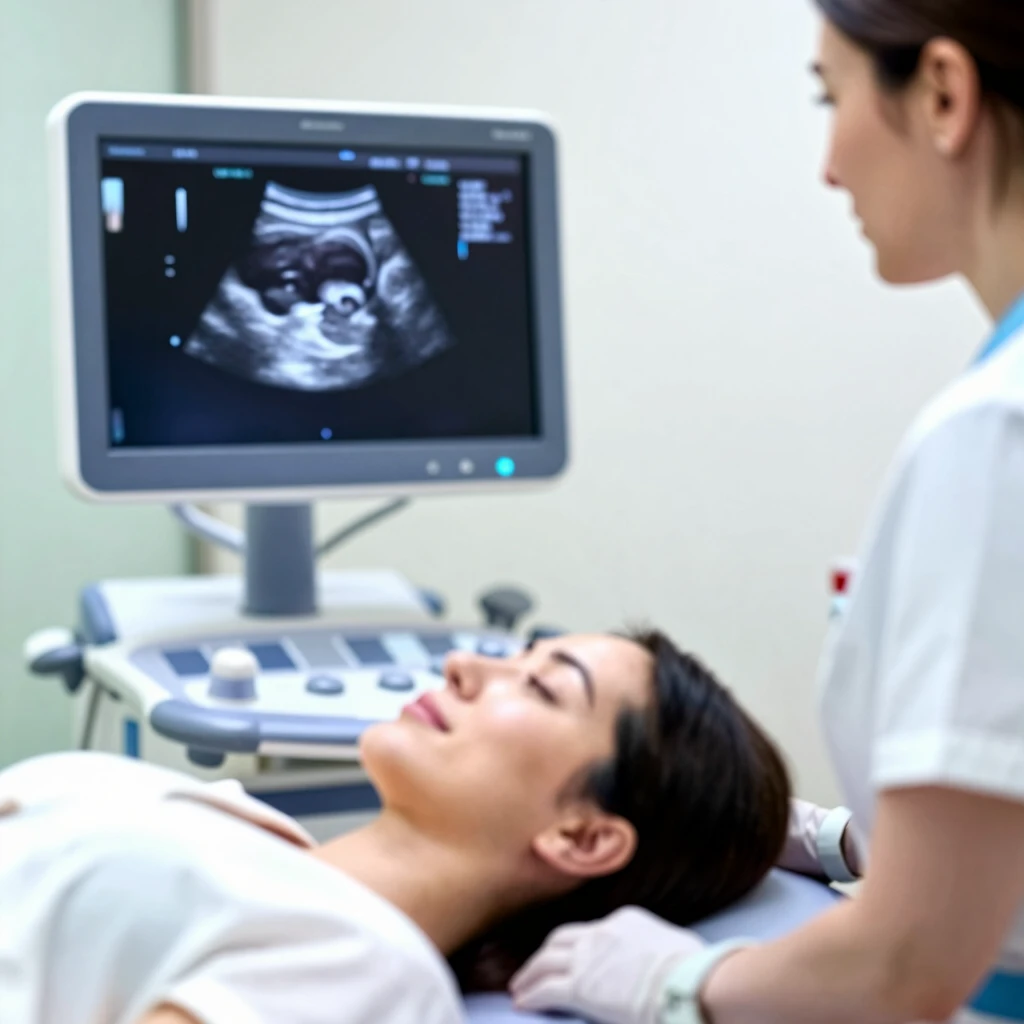
3. Ultrasound Scan
A transvaginal ultrasound views ovaries and uterus. Counts antral follicles—your egg pool. It's quick, like 20 minutes, with gel and probe. No radiation, just sound waves.
4. HSG Test for Tubes
Hysterosalpingogram: Dye injected via catheter, X-ray checks tube openness. Mild cramps possible—take ibuprofen. It rules out blockages from infections.
5. Ovulation Confirmation
Track with kits or basal temp. Progesterone blood test mid-cycle confirms release.
Tip: Apps like Clue help log data. Share with your doc for accuracy.
Personal insight: One woman I spoke with, Lisa, felt empowered post-ultrasound. 'Seeing my follicles made it real—we had options.' These tests aren't scary; they're tools.
Male Infertility Testing: Focus on Semen Analysis
Men, step up—semen analysis is key. It checks sperm count, shape, movement. Abnormal? It flags male infertility, treatable often.
Preparing for Semen Analysis
Abstain 2-5 days—no sex or masturbation. Avoid alcohol, hot tubs. Collect via masturbation in a sterile cup at clinic or home (deliver within 60 minutes, body temp).
Best practices for semen analysis:
| Step | Action | Why It Matters |
|---|---|---|
| Abstinence | 2-5 days | Builds sperm count |
| Collection | Sterile cup, no lube | Avoids contamination |
| Transport | Within 1 hour, warm | Keeps sperm viable |
| Hygiene | Wash hands/penis | Prevents infection |
From Mayo Clinic, follow these for reliable results.

What Happens in Semen Analysis?
Lab examines: - Volume: 1.5-5 mL normal. - Count: 15M+ per mL. - Motility: 40%+ moving forward. - Morphology: 4%+ normal shape.
Repeat twice for accuracy. Low results? Next: hormone bloodwork (testosterone, FSH).
Other Male Tests
Physical exam for varicocele. Ultrasound if needed. Genetic tests rare, for severe cases.
Story time: Mike shared, 'I dreaded the analysis, but clear instructions made it easy. We fixed my count with lifestyle changes—weight loss, no smoking.'
Best practices for semen analysis extend to follow-up. If abnormal, see a urologist. Varicoceles? Surgery helps 60%.
Emotional Side of Fertility Testing
It's not just medical—feelings run deep. Anxiety spikes pre-test; relief follows answers. Couples therapy or support groups help. I advise journaling: 'What scares me? What excites me?'
Resources: Planned Parenthood's infertility guide offers free tips.
Costs and Coverage
Tests range $100-500 each. Insurance varies—check for 'infertility diagnosis.' At-home kits? Convenient but less accurate than labs.
Interpreting Results and Next Steps
Normal? Great—keep trying or explore IVF. Abnormal? Tailored plans: meds for ovulation, IUI for low sperm.
Table of common outcomes:
| Result | Meaning | Action |
|---|---|---|
| Normal semen | Good fertility | Timed intercourse |
| Low count | Male infertility | Lifestyle/donor sperm |
| Blocked tubes | Structural issue | Surgery/IVF |
| Low AMH | Diminished reserve | Egg freezing? |
Consult always—numbers aren't destiny.
Wrapping Up: Hope After Testing
Fertility testing: what to expect is a mix of nerves and empowerment. You've gathered data; now build your path. Like Sarah and Mike, many conceive post-diagnosis. Remember, infertility doesn't define you—resilience does.
Stay proactive: eat well, exercise, connect. Your journey matters.