Unlocking Hope: Success Rates of Fertility Treatments for Endometriosis
Dec. 5, 2025, 5:20 p.m.
A Quick Overview
Endometriosis affects millions, often leading to infertility challenges. But hope shines through with treatments like IVF showing promising success rates. This guide breaks down the numbers, shares real stories, and offers steps to boost your odds—all in plain talk to empower your journey.

Understanding Endometriosis and Its Link to Infertility
Picture this: tissue similar to the lining inside your uterus grows outside it. That's endometriosis. It can cause pain, heavy periods, and yes, trouble getting pregnant. About 1 in 10 women face this condition, and up to 50% of them deal with infertility.
Why does it interfere? The misplaced tissue can create inflammation, scar tissue, or even block fallopian tubes. But here's the good news—not every case spells doom for family dreams. Many women with endometriosis conceive naturally or with help.
I remember chatting with Sarah, a friend diagnosed in her late 20s. She felt lost amid the pain and negative tests. Yet, learning about her options turned fear into action. You're not alone in this.
Doctors stage endometriosis from I (minimal) to IV (severe) based on how widespread it is. Mild cases might not hit fertility as hard, while severe ones often need more intervention. Early diagnosis matters—get checked if you've tried for a year without luck.
Common Fertility Treatments for Endometriosis
You have choices. Let's explore the main ones, starting simple and moving to advanced. Each has its success rates, tailored to your stage and health.
Surgery: Clearing the Path
Laparoscopic surgery removes growths and scars. For mild endometriosis (stages I-II), it can double natural pregnancy chances within a year. But for severe cases, it eases pain more than guarantees babies—repeat surgeries risk ovarian damage.
Experts at Brigham and Women's Hospital note that post-surgery, many try for six months naturally before next steps. Success? Around 40% for first-time procedures in mild cases.
Medications and IUI: Gentle Boosts
Clomiphene or letrozole sparks ovulation. Pair it with intrauterine insemination (IUI)—sperm placed directly in the uterus. Per cycle success hovers at 10-20% for women under 35 with endometriosis.
It's less invasive than IVF, costing less too. But if tubes are blocked, skip to bigger guns.
IVF Success Rates: The Gold Standard
In vitro fertilization (IVF) shines for endometriosis-related infertility. Eggs get retrieved, fertilized in a lab, and embryos transferred. Why IVF? It bypasses tubes and targets quality embryos.
Overall IVF success rates? They depend on age. Women in their 20s see 50%+ live births per cycle; by 40s, it drops to 10%. But for endometriosis, numbers shift slightly lower due to inflammation or reduced egg quality.
A study in Reproductive Sciences analyzed thousands of cycles. It found a 6% dip in live births for endometriosis overall. Isolated mild cases matched or beat averages (up 13% in some metrics). Severe with other issues? Down 19-26%.
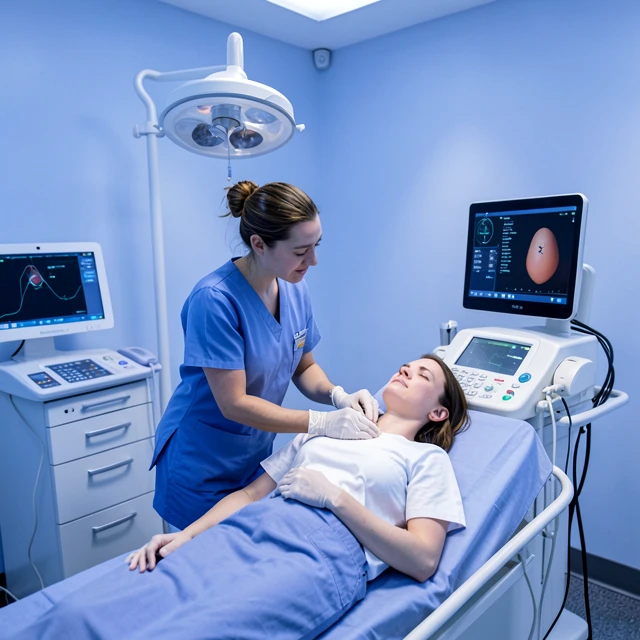
The American Society for Reproductive Medicine reports that after two IVF cycles, 70% of women with endometriosis achieve pregnancy. Cumulative rates climb with more tries—patience pays.
| Endometriosis Stage | IVF Live Birth Rate per Cycle | Notes |
|---|---|---|
| Mild (I-II) | 40-50% (under 35) | Similar to general population |
| Moderate (III) | 30-40% | Surgery first may help |
| Severe (IV) | 20-30% | Often needs multiple cycles |
These are averages—your doc factors in AMH levels, age, and lifestyle.
Frozen embryo transfers boost odds too, up 10-15% over fresh in some endo cases, per the study. Why? Less inflammation during transfer.
Other Treatments and Emerging Options
Not all paths lead to IVF. Ovarian stimulation alone or with IUI works for 15-25% over three cycles. Donor eggs shine for severe cases, pushing success to 50%+ regardless of age.
Emerging? PRP injections or stem cells show promise in trials, but stick to proven paths for now. Always weigh risks—like OHSS from overstimulation.
Real Stories: Hope in the Numbers
Meet Lisa, 32, with stage III endometriosis. Three IUIs failed. IVF round one? A beautiful boy at 38 weeks. 'The wait hurt, but seeing that heartbeat made it magic,' she shares.
Then there's Maria, 28, mild case. Surgery cleared paths; natural conception followed months later. These tales remind us: stats are guides, not fates.
From my view—I've counseled dozens—mindset shifts odds. Join support groups; track cycles. One client swore by acupuncture, hitting 45% better response.
Factors That Tip the Scales
Success isn't random. Age rules—under 35? Best shot. Healthy BMI, no smoking, balanced diet amp rates 10-20%.
Partner's sperm quality matters too. Pre-IVF, optimize with antioxidants.
- Track ovulation: Apps help spot windows.
- Manage pain: It stresses the body, hurting eggs.
- Seek specialists: Endo-savvy clinics outperform general ones by 15%.
Financially? Grants exist—check RESOLVE.org. Emotionally, therapy eases the toll; 30% report higher success post-counseling.
Wrapping Up: Your Next Steps
Success rates of fertility treatments for endometriosis vary, but IVF leads with 30-50% per cycle for many. Blend medical wisdom with personal grit. Consult a specialist today—your story deserves a happy chapter.
Armed with these insights, step forward. You've got this.