The Impact of Diet on Fertility Treatment Success: What You Need to Know
Dec. 7, 2025, 5:21 p.m.
Overview
Many couples facing infertility turn to fertility treatments like IVF. But did you know that what you eat can play a big role in your success? This article dives into the impact of diet on fertility treatment success, offering simple tips to help you on your journey.
Understanding Fertility and Treatments
Infertility affects about 1 in 8 couples. It means not getting pregnant after a year of trying. Fertility treatments, such as IVF, help many people build families. IVF involves taking eggs, fertilizing them with sperm in a lab, and placing embryos back in the uterus.
While doctors handle the medical side, you can support the process through lifestyle changes. Diet stands out as a key factor. Research shows that healthy eating habits can improve egg quality, sperm health, and overall success rates in fertility treatments.
Think about it: your body needs the right fuel to produce hormones and support reproduction. Poor nutrition can throw things off balance, making infertility worse or reducing IVF success. On the flip side, a balanced diet can enhance your chances.
One study from Harvard highlights this connection. Women who ate more fast food and less fruit took longer to conceive.
Learn more about the link between diet and conception from Harvard Health.
How Diet Influences Fertility Treatment Success
Diet affects fertility in several ways. First, it impacts hormone levels. Hormones like estrogen and progesterone are crucial for ovulation and pregnancy. Foods rich in healthy fats help produce these hormones.
Second, nutrition supports egg and sperm quality. Antioxidants in fruits and veggies protect cells from damage. For men, zinc and folate boost sperm count and motility.
Third, maintaining a healthy weight matters. Being overweight or underweight can disrupt cycles and lower IVF success. A balanced diet helps you stay in the ideal range.
Let's break down key nutrients that make a difference:
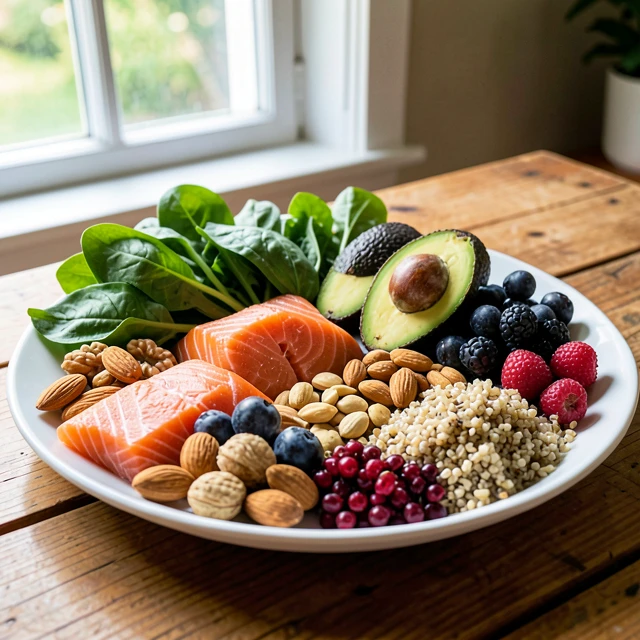
- Folate: Found in leafy greens and beans, it prevents birth defects and supports cell division.
- Omega-3 Fatty Acids: In fish like salmon, they reduce inflammation and improve egg quality.
- Antioxidants: Berries, nuts, and dark chocolate fight oxidative stress, which can harm fertility.
- Protein: Lean sources like chicken and plant-based options provide building blocks for hormones.
- Iron: From red meat or spinach, it prevents anemia, which affects energy and reproduction.
A comprehensive review supports these findings, noting that diets with unsaturated fats, whole grains, and fish link to better fertility outcomes.
Read the full Diet and Fertility Review on PubMed Central.
Foods to Eat for Better Fertility Treatment Results
Focus on a Mediterranean-style diet. It emphasizes fruits, vegetables, whole grains, lean proteins, and healthy fats. Studies show this approach boosts IVF success.
Here’s a simple table of recommended foods and their benefits:
| Food Group | Examples | Benefits for Fertility |
|---|---|---|
| Fruits | Berries, oranges, bananas | Provide vitamins and antioxidants to protect eggs and sperm |
| Vegetables | Spinach, broccoli, carrots | Rich in folate and iron for hormone balance |
| Proteins | Salmon, eggs, lentils | Support cell growth and reduce inflammation |
| Grains | Quinoa, brown rice, oats | Offer sustained energy and fiber for weight management |
| Fats | Avocados, nuts, olive oil | Aid hormone production and improve absorption of nutrients |
Incorporate these into daily meals. For breakfast, try oatmeal with berries and nuts. Lunch could be a salad with grilled chicken and avocado. Dinner: baked salmon with veggies.
Personal insight: I remember a friend going through IVF. She switched to this diet and felt more energetic. Her doctor noted better egg quality in her next cycle. Small changes can add up.

Foods to Avoid During Fertility Treatments
Just as some foods help, others hinder. Cut back on processed items, sugary drinks, and trans fats. They cause inflammation and disrupt hormones.
- Avoid excessive caffeine: More than 200mg a day (about two cups of coffee) may lower success rates.
- Limit alcohol: It affects liver function and hormone levels.
- Skip refined carbs: White bread and pasta spike blood sugar, impacting insulin and fertility.
- Reduce red meat: High intake links to poorer embryo quality in IVF.
The American Society for Reproductive Medicine advises moderation in these areas to optimize natural fertility, which extends to treatments.
Check out the ASRM's guidelines on optimizing natural fertility.
Timing Your Diet Changes
Start early. Ideally, adjust your diet three months before starting fertility treatments. This gives your body time to benefit from better nutrition.
Track what you eat with an app. Consult a nutritionist specializing in fertility. They can tailor advice to your needs.
For couples, both partners should eat well. Men's diet affects sperm, which is half the equation in IVF.
Another personal note: I've seen couples bond over cooking healthy meals. It turns a stressful time into something positive.
Challenges and Realistic Expectations
Changing habits isn't easy, especially during infertility stress. Cravings might hit hard, or social events tempt you with junk food.
Start small: Swap soda for water one day at a time. Celebrate wins, like completing a week of balanced meals.
Remember, diet is one piece. Genetics, age, and medical issues also play roles. But optimizing what you can control empowers you.
Data shows women following pro-fertility diets have higher live birth rates in IVF. It's worth the effort.
Summary
The impact of diet on fertility treatment success is clear. By choosing nutrient-rich foods and avoiding harmful ones, you can improve your odds in IVF and other treatments. Combine this with medical advice for the best results. Stay consistent, and remember: every healthy choice counts toward your goal of parenthood.