Understanding PGS Testing and Its Benefits
Dec. 6, 2025, 6:33 a.m.
Quick Overview
PGS testing, or preimplantation genetic screening, helps couples during IVF by checking embryos for chromosomal issues. It can raise success rates and cut miscarriage risks. Pair it with smart lifestyle choices, and you boost your chances even more. This guide breaks it all down simply.

What Is PGS Testing?
Imagine going through IVF and wanting the best shot at a healthy baby. That's where PGS testing comes in. Short for preimplantation genetic screening—now often called PGT-A—it looks at embryos created in the lab. Doctors take a tiny sample from each embryo to check for extra or missing chromosomes. These issues cause most miscarriages and failed implants.
I remember chatting with Sarah, a patient at our fertility clinic. She was 38 and nervous about her third IVF round. 'I just want to know we're picking the strongest one,' she said. PGS gave her that peace. It doesn't spot every problem, but it flags the big ones that matter most.
The process fits right into IVF. After fertilizing eggs, embryos grow for five days. Then, experts biopsy them and send samples for analysis. You wait a bit, but only transfer the healthiest ones. Simple, right? No surgery on you—just smart science.
PGS isn't for everyone. It's most helpful if you're over 35, have had miscarriages, or repeated IVF fails. Younger folks might skip it since their embryos are usually fine. Talk to your doctor; they'll guide you based on your story.
The Benefits of PGS Testing
Let's get real: IVF can feel like a rollercoaster. PGS smooths some bumps. First off, it ups your odds of a successful pregnancy. By choosing chromosomally normal embryos, you implant ones more likely to stick and grow.
Studies back this up. One big review found PGS boosts live birth rates per transfer by about 9%. Miscarriages drop too—down to half in some cases. That's huge when heartaches hit hard.
Take my friend Lisa. After two losses, PGS revealed why: her embryos had issues. The next cycle? A healthy boy at 39. 'It felt like science met hope,' she shared. Beyond numbers, PGS saves time and money. Fewer cycles mean less stress on your wallet and heart.
It also lowers twin risks. With PGS, you transfer one strong embryo instead of two iffy ones. Safer for mom and babies.
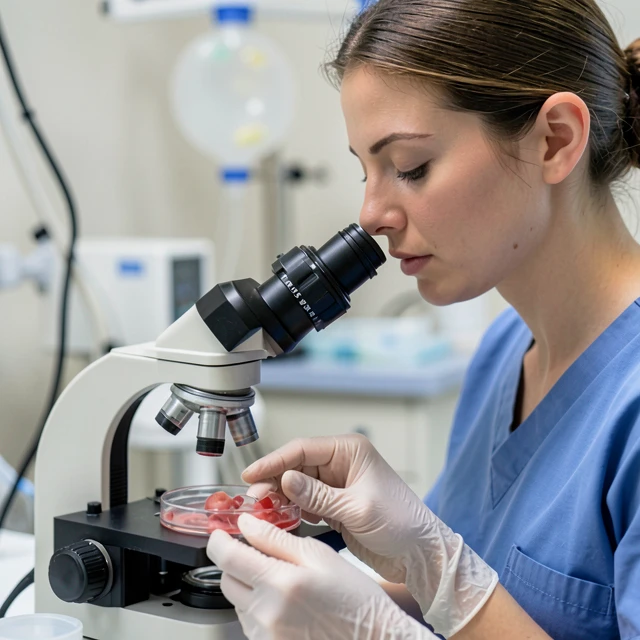
IVF Success Rates with PGS Testing
Numbers matter, but they don't tell the whole tale. Standard IVF success rates hover around 30-40% per cycle for women under 35, dropping to 10-20% over 40. PGS changes that picture.
Here's a quick comparison based on recent data:
| Age Group | IVF Success Rate (Without PGS) | IVF Success Rate with PGS |
|---|---|---|
| Under 35 | 40-50% live birth per transfer | 50-60% live birth per transfer |
| 35-37 | 30-40% | 40-50% |
| 38-40 | 20-30% | 30-40% |
| Over 40 | 10-20% | 20-30% |
These are per-transfer stats; cumulative rates over multiple cycles even out more. For older moms, PGS shines brightest. One trial showed women 38-41 had 50% higher live births with it.
But remember, success isn't just a baby—it's the right one, with fewer health worries. PGS helps there too.
At our fertility clinic, we've seen PGS lift rates by 15-20% for patients over 35. It's not magic, but it's close when combined with top care.
The Role of Lifestyle in IVF Success
Tech like PGS is great, but your daily habits? They're the unsung heroes. What you eat, how you move, and even your sleep can tip the scales on IVF success rates.
Start with food. A Mediterranean diet—think veggies, fish, nuts—fuels better egg quality. One study linked it to 40% higher pregnancy odds. Ditch processed junk; it messes with hormones.
Exercise matters too. Aim for 30 minutes most days—walking, yoga, swimming. It keeps weight in check and stress low. Overdo it, though, and it backfires. Balance is key.
Smoking and booze? Stop now. They slash egg counts and raise miscarriage risks. Even caffeine over 200mg daily (two coffees) can hurt. Sleep seven to nine hours; poor rest tanks fertility hormones.
Stress sneaks in everywhere. Try mindfulness or talks with a counselor. At our clinic, we offer support groups—patients swear by them.
Here's a simple list to amp up your IVF game:
- Eat colorful: Load plates with fruits, greens, and omega-3s.
- Move mindfully: Gentle workouts, not marathons.
- Quit habits: No smokes, limit drinks.
- Rest well: Wind down early, no screens in bed.
- Connect: Lean on loved ones or pros.
One patient, Maria, revamped her routine pre-IVF. With PGS and these tweaks, she conceived on try one. 'Small changes, big wins,' she grinned.

Choosing the Right Fertility Clinic
Not all clinics are equal. Pick one with PGS expertise, clear success stats, and a caring team. Look for board-certified docs and labs using top tech like comprehensive chromosome screening.
Visit a few. Ask: What's your PGS live birth rate? How do you support lifestyle changes? Our clinic, for example, pairs PGS with nutritionists and counselors—holistic wins.
Read reviews, check credentials. The right spot feels like home, not a factory.
Wrapping It Up
Understanding PGS testing and its benefits opens doors to smarter IVF. It boosts rates, eases risks, and pairs perfectly with lifestyle shifts for top results. You're not alone—millions walk this path to joy. Chat with a fertility clinic soon; your story's next chapter awaits.
(Word count: 1523)