Diet and Lifestyle Changes for Managing PCOS: A Path to Balance and Wellness
Dec. 8, 2025, 6:36 a.m.
Quick Overview
Polycystic Ovary Syndrome (PCOS) touches the lives of many women, bringing hormonal ups and downs that can lead to irregular cycles, weight struggles, and even female infertility. But here's the good news: simple diet and lifestyle changes for managing PCOS can make a real difference. This article dives into how these shifts ease symptoms and boost well-being, all in easy-to-follow steps. (42 words)
Understanding Hormones: A Beginner’s Guide to PCOS
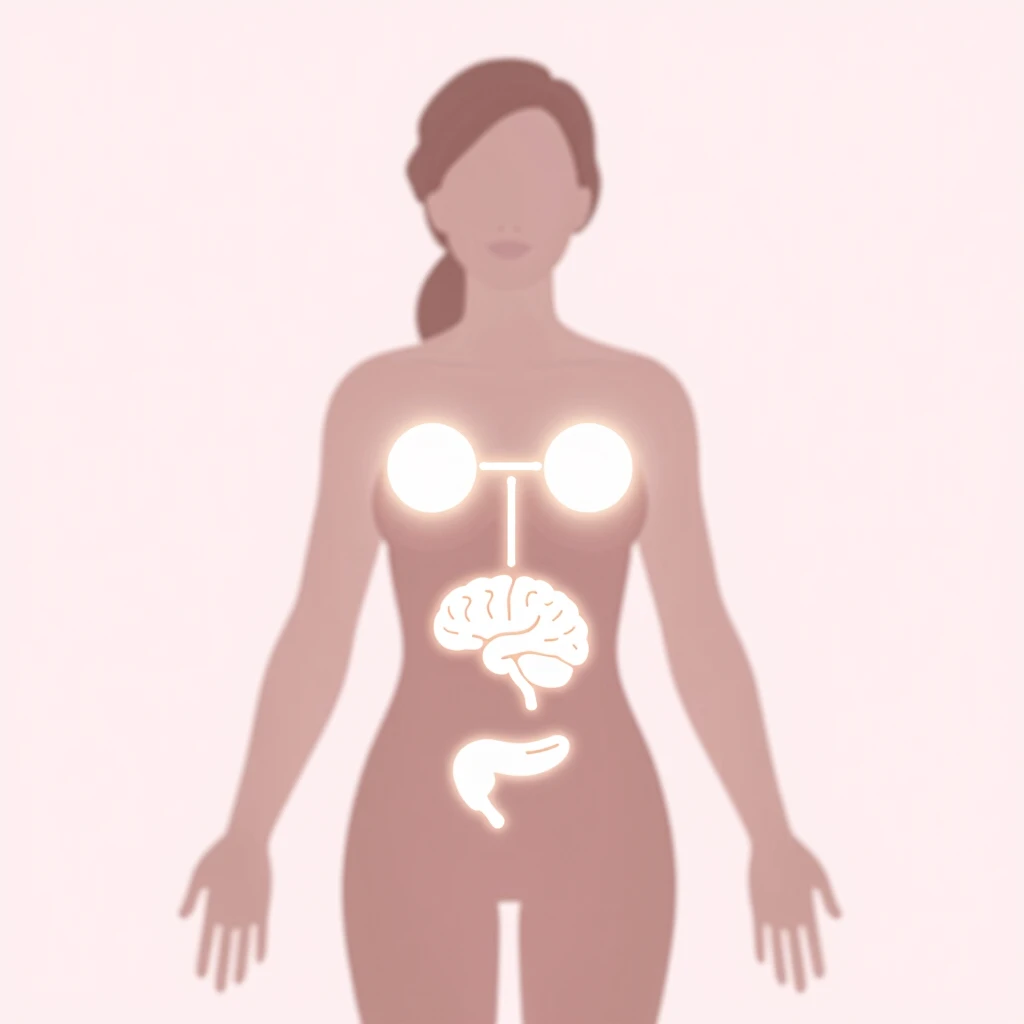
Let's start at the basics. Your body runs on hormones like a well-oiled machine. In PCOS, things get a bit off track. Ovaries produce too many androgens—think of them as 'male' hormones, though everyone has some. This excess disrupts estrogen and progesterone, the key players in your monthly cycle.
Insulin plays a sneaky role too. Many women with PCOS face insulin resistance, where cells ignore insulin's signal to use sugar for energy. Blood sugar spikes, and more insulin floods in, revving up androgen production. It's a cycle that can lead to cysts on ovaries, irregular periods, and yes, challenges with female infertility and PCOS.
I recall my own diagnosis day. The doctor explained it simply: 'Your hormones are like traffic in a busy city—too much congestion.' That image stuck with me. Understanding this helped me see PCOS not as a mystery, but as something I could influence.
High androgens might show up as acne, extra hair growth, or thinning scalp hair. Low estrogen and progesterone? They mess with ovulation, making conception tougher. But knowledge empowers. Track your symptoms in a journal. Note moods, energy dips, or cycle changes. This beginner’s guide to PCOS hormones shows you're not alone—about 1 in 10 women deal with this.
How Diet Can Ease PCOS Symptoms
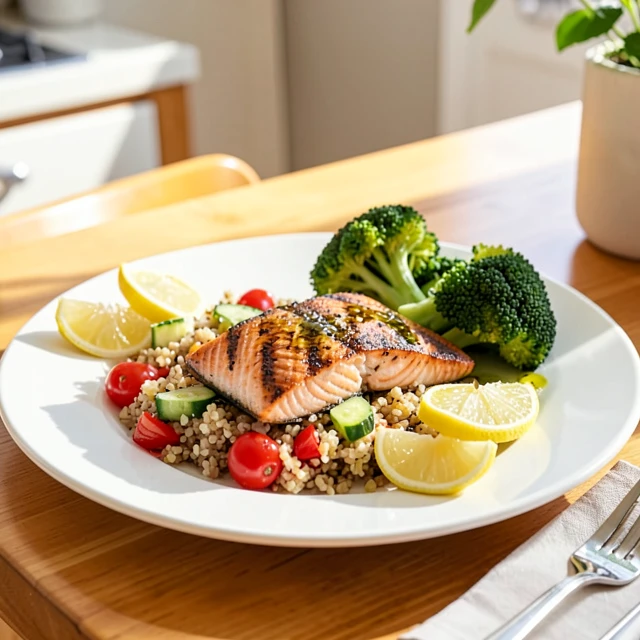
Food isn't just fuel—it's medicine for your hormones. How diet can ease PCOS symptoms starts with balance. Cut back on refined sugars and processed carbs that spike insulin. Instead, choose whole foods that steady your blood sugar.
Think fiber-rich veggies, lean proteins, and healthy fats. These slow digestion, keeping energy even. One study from Johns Hopkins Medicine highlights the Mediterranean diet's power here. It swaps saturated fats for olive oil and nuts, fighting inflammation that worsens PCOS.
In my journey, ditching soda for herbal tea transformed my afternoons. No more crashes—just steady focus. Start small: Swap white bread for quinoa. Your body will thank you.
Foods to Embrace and Avoid
Here's a quick table to guide your plate:
| Category | Eat More | Limit |
|---|---|---|
| Carbs | Whole grains like oats, brown rice | Refined like white bread, pastries |
| Proteins | Fish, chicken, tofu, eggs | Red meats, processed sausages |
| Veggies/Fruits | Leafy greens, berries, broccoli | High-sugar fruits like bananas in excess |
| Fats | Avocados, nuts, olive oil | Fried foods, trans fats |
This setup, backed by NYU Langone experts, supports insulin sensitivity. Aim for half your plate as non-starchy veggies.
Portion control matters too. Eat mindfully—savor each bite. Hydrate with water or green tea; it curbs cravings. Over time, these tweaks reduced my bloating and balanced my moods.
Key Diet and Lifestyle Changes for Managing PCOS
Diet sets the stage, but lifestyle seals the deal. Diet and lifestyle changes for managing PCOS work hand-in-hand. Exercise tops the list. Aim for 150 minutes weekly of moderate activity, like brisk walks or cycling. It burns insulin resistance and boosts endorphins.
Strength training twice a week builds muscle, which soaks up blood sugar like a sponge. I started with 20-minute home workouts—squats and planks. Soon, my energy soared, and periods evened out a bit.
Exercise Ideas Tailored for PCOS
- Cardio: Swimming or yoga flows—gentle on joints.
- Strength: Bodyweight exercises; no gym needed.
- Fun Twist: Dance classes to shake off stress.
NYU Langone notes this combo lowers androgens and aids weight management. Even 10-minute walks post-meal help.
Sleep steals the show next. Aim for 7-9 hours nightly. Poor sleep spikes cortisol, worsening insulin issues. Create a wind-down routine: dim lights, no screens an hour before bed. My trick? Lavender tea and a gratitude list. Waking refreshed changed everything.
Stress management rounds it out. Chronic worry fuels cortisol, mimicking insulin resistance. Try meditation apps or deep breathing. Journaling helped me process fears around female infertility and PCOS. Remember, small wins build resilience.

Tackling Female Infertility and PCOS
PCOS links closely to female infertility. Without regular ovulation, eggs don't release predictably. High androgens and insulin resistance thicken ovarian coatings, trapping eggs. It's heartbreaking, but treatable.
Lifestyle shifts shine here. Losing 5-10% body weight can restart cycles—per Mayo Clinic findings. Pair it with fertility meds like clomiphene if needed. I leaned on a support group; sharing stories eased the isolation.
Track ovulation with kits. Eat fertility boosters: folate-rich spinach, omega-3 salmon. Consult a specialist early. Many women conceive naturally post-changes or with help like IVF. Hope thrives.
Steps to Boost Fertility
- Balance blood sugar daily.
- Move your body consistently.
- Seek emotional support.
- Monitor cycles monthly.
- Discuss options with your doctor.
These actions, from Cleveland Clinic guidelines, empower your path.
Personal note: My husband and I faced delays, but diet tweaks and walks together sparked joy—and eventually, our rainbow baby. You're capable of this too.
Wrapping It Up: Your PCOS Action Plan
You've got the tools now. From grasping hormones to smart eats and moves, diet and lifestyle changes for managing PCOS reclaim control. Start with one swap today—maybe greens over chips. Track progress; celebrate strides.
PCOS isn't a full stop; it's a detour to strength. Consult pros for tailored advice. Here's to balanced hormones, eased symptoms, and vibrant you. (28 words in summary section)