Understanding Fertility Treatments: What to Expect
Dec. 12, 2025, 6:36 a.m.
A Quick Overview
Facing infertility? You're not alone. Understanding Fertility Treatments: What to Expect can ease your worries. This article covers common options, daily realities, emotional support, and lifestyle tips. Expect hope, steps forward, and real stories from those who've walked this path. (38 words)
What Is Infertility and Why Seek Treatment?
Infertility hits hard—it's when you can't get pregnant after a year of trying (or six months if you're over 35). It affects about 1 in 8 couples. Causes range from hormone imbalances to blocked tubes or low sperm count. But here's the good news: treatments work for 85-90% of cases.
I remember a friend, Sarah, who felt crushed after months of negative tests. 'It shook my whole sense of self,' she shared. Yet, seeking help turned that around. Start with your doctor for tests—blood work, ultrasounds, semen analysis. Early action matters.
Treatments target the root issue. For women, it might fix ovulation problems. For men, it could improve sperm quality. And sometimes, it's about both partners teaming up. Knowledge empowers you.

Common Types of Fertility Treatments
Let's break down the main options. No one-size-fits-all here—your doctor tailors it to you.
1. Fertility Drugs
These kickstart ovulation or boost sperm production. Common ones like clomiphene or letrozole tell your ovaries, 'Time to release an egg!' For men, meds like clomiphene up sperm count.
What to expect: Pills or shots for 5-10 days. Side effects? Bloating, hot flashes, mood swings. But many conceive after 3-6 cycles. Cost: $50-500 per cycle.
2. Intrauterine Insemination (IUI)
Think of it as a sperm shortcut. Doctors wash and place sperm right into the uterus during ovulation. Often paired with fertility drugs.
Success rate: 10-20% per cycle. It's less invasive than surgery—done in-office, no anesthesia. Sarah tried IUI first: 'It felt hopeful, like giving nature a nudge.'
3. In Vitro Fertilization (IVF)
The big one: Eggs meet sperm in a lab, then embryos go back in. Steps include hormone shots, egg retrieval (a quick procedure under sedation), fertilization, and transfer.
Timeline: 2-3 weeks per cycle. Success: 40-50% under 35. Risks? Ovarian hyperstimulation (swollen ovaries) or multiples. But oh, the joy when it works.
| Treatment | Best For | Success Rate | Cost Range |
|---|---|---|---|
| Fertility Drugs | Ovulation issues | 20-25% | $50-500 |
| IUI | Mild sperm issues | 10-20% | $300-1,000 |
| IVF | Blocked tubes, age-related | 40-50% | $12,000-15,000 |
Other options? Surgery for blockages or donor eggs/sperm if needed. Always discuss ethics and emotions upfront.
What to Expect: The Day-to-Day Journey
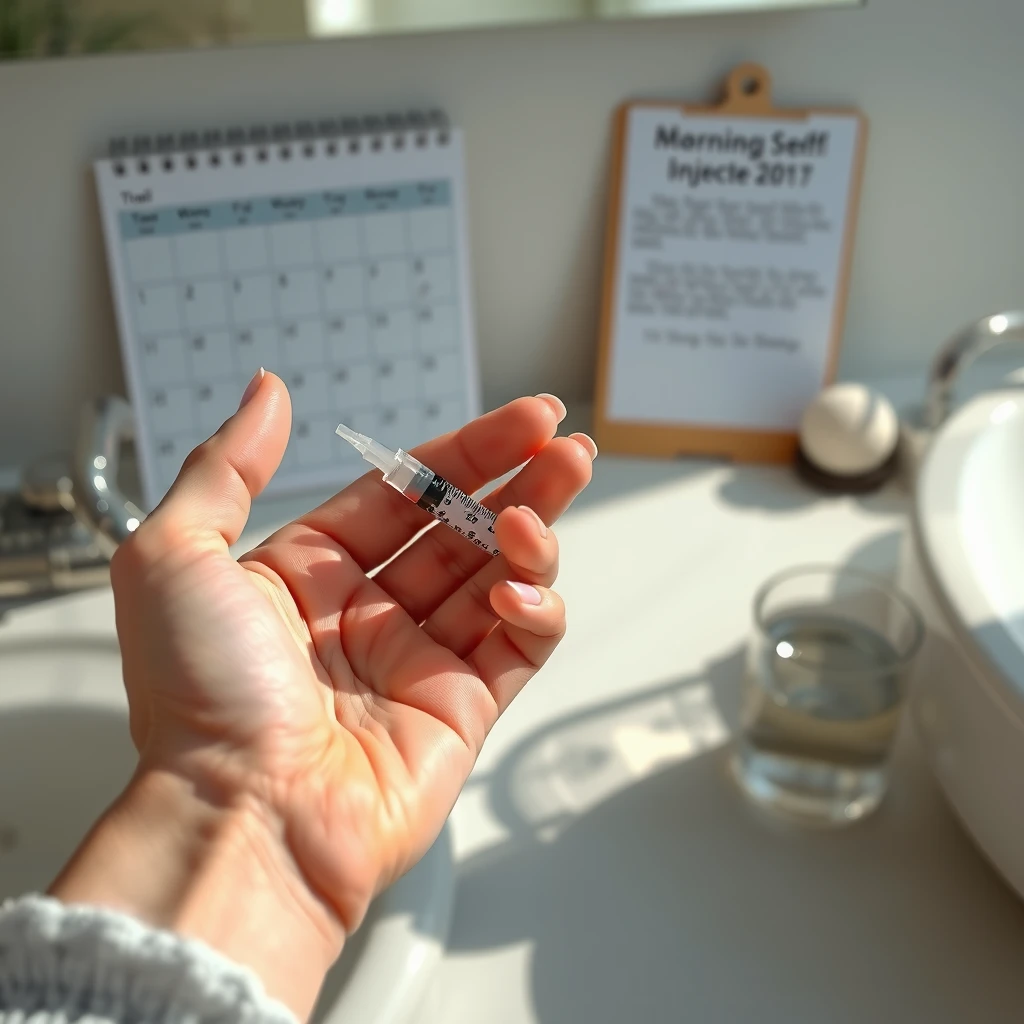
Day 1: Baseline ultrasound checks your ovaries. Then, daily shots for 8-12 days ramp up egg growth. You'll visit the clinic 4-5 times for monitoring—blood draws, scans.
Egg retrieval day: Mild sedation, 20-30 minutes. Rest that afternoon; cramps are common. Lab fertilizes eggs same day. Three to five days later, embryo transfer—a quick catheter job.
The two-week wait? Brutal. Tests confirm pregnancy. If not, regroup. One cycle taught me resilience, like my X story sharer who said, 'Each 'no' built my strength.'
Physical side effects: Fatigue, bruising from shots. Emotional? Rollercoaster. But support groups help. Pro tip: Track symptoms in a journal.
Fertility Drugs and Emotional Well-Being
Fertility drugs and emotional well-being go hand in hand—or clash. Hormones spike estrogen, triggering mood swings, anxiety, even depression. Studies show women with high stress traits feel it more (Mayo Clinic).
One patient shared on X: 'IVF hormones turned me into a weepy mess, but therapy steadied me.' It's normal—acknowledge it. Talk to your doc; low-dose antidepressants might help. Practice mindfulness: 10-minute meditations daily cut anxiety by 30%, per research.
- Breathe deep: Box breathing (4 in, 4 hold, 4 out) calms injection nerves.
- Connect: Join online forums like Resolve.org.
- Self-care: Walks, baths, no screens pre-bed.

Balancing Lifestyle and Fertility: A Guide
Lifestyle tweaks amplify treatments. It's not magic, but science-backed boosts.
Diet: Load up on antioxidants—berries, nuts, greens. A Mediterranean-style plate ups conception odds 40% (Harvard Health). Cut processed foods; aim for 2,000 calories if normal weight.
Exercise: 30 minutes moderate daily—brisk walks, swimming. Avoid extremes; overdoing it disrupts cycles.
Sleep: 7-9 hours. Poor rest tanks hormones.
Habits: Ditch smoking (halves fertility), limit alcohol (<5 units/week), caffeine (<200mg/day).
Weight matters: BMI 18.5-24.9 ideal. Lose 5-10% if overweight; it restarts ovulation.
Personal insight: A couple I know quit caffeine, added folate-rich spinach. Three months later, success. Small changes, big wins.
- Folic acid: 400mcg daily.
- Hydrate: 8 glasses water.
- Stress less: Couples' yoga dates.
Real Stories: Hope from the Front Lines
From X: Dr. Susan Hudson shared her IVF tale—balancing med school and shots. 'It fueled my passion,' she said. Another: A student inspired by Tim Walz's openness. 'Hearing his story made my treatments feel less lonely.'
These remind us: Vulnerability builds community. Share yours; it heals.
Wrapping Up: Your Path Forward
Understanding Fertility Treatments: What to Expect means embracing the unknowns with tools in hand. From drugs to IVF, emotions to lifestyle shifts, you've got this. Infertility tests us, but resilience shines. Consult pros, lean on loved ones, celebrate progress. Parenthood—or peace—awaits. (Word count: 1,512)