Understanding Estradiol Levels and Fertility Preservation: Your Guide to Future Family Planning
Dec. 11, 2025, 5:21 p.m.
Overview
Estradiol levels play a key role in women's reproductive health, influencing egg development and overall fertility. Fertility preservation helps protect this potential for the future, especially when facing medical treatments or age-related infertility. This guide explores both topics to empower your choices.
Many women worry about their ability to have children later in life. Factors like age, health issues, or treatments can impact fertility. That's where understanding estradiol levels and fertility preservation comes in. These concepts help you take control of your reproductive future.
Estradiol is a type of estrogen your body makes. It supports egg growth in the ovaries. Doctors check estradiol levels to see how well your ovaries work. Low or high levels can signal problems with fertility.
For example, during a normal menstrual cycle, estradiol starts low and rises as eggs mature. Peak levels happen just before ovulation. If levels stay too low, it might mean fewer eggs are developing.
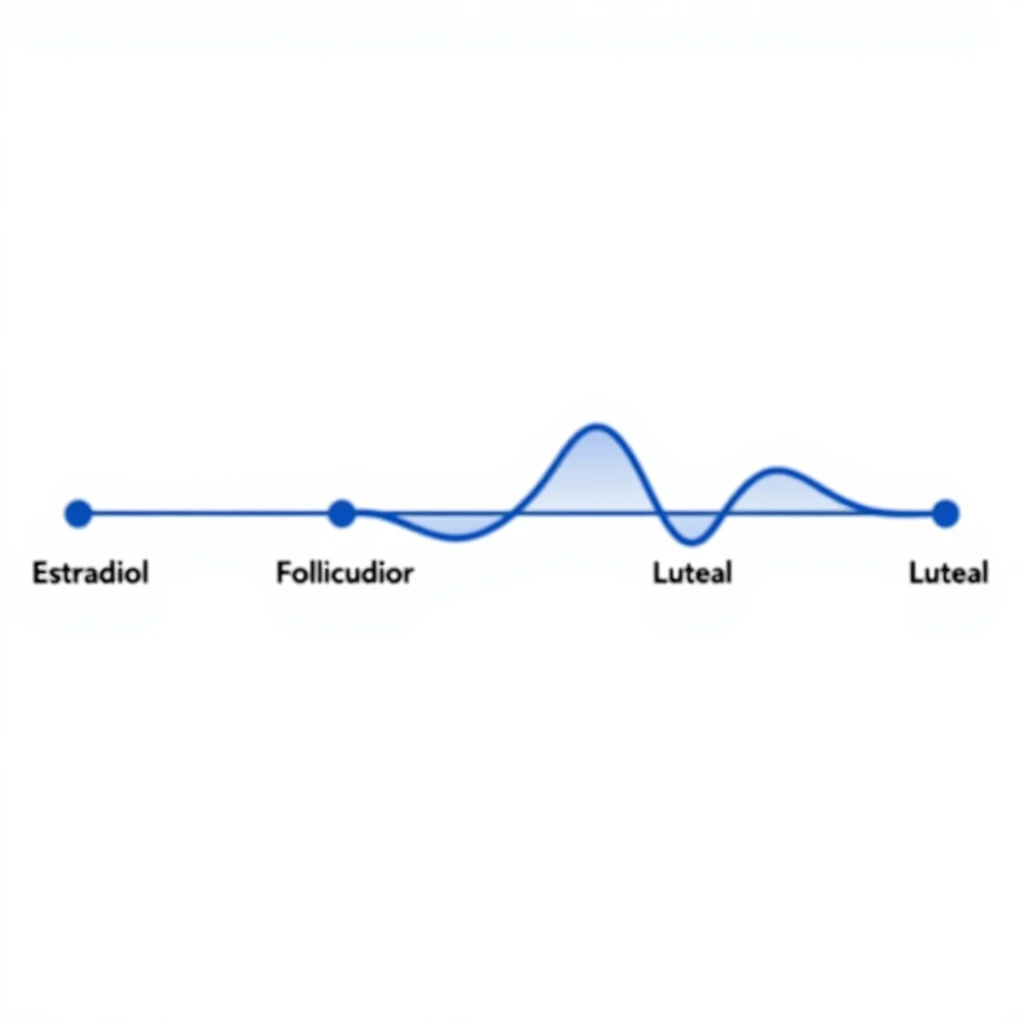
In my conversations with women facing infertility, many share how tracking estradiol gave them clarity. One friend discovered her levels were off during routine tests. It led her to seek help early.
Normal estradiol levels vary by cycle phase. Here's a simple table:
| Cycle Phase | Normal Estradiol Range (pg/mL) |
|---|---|
| Follicular | 30-100 |
| Ovulation | 100-400 |
| Luteal | 50-150 |
These ranges come from standard medical guidelines. Always consult your doctor for personal results.
High estradiol might point to conditions like ovarian cysts. Low levels could link to menopause or poor ovarian reserve. Testing often happens on day 3 of your cycle, paired with FSH checks.
Explore more on why doctors test estradiol for ovarian reserve at Progyny's guide to estradiol testing. This resource explains how it ties to egg production.
Now, let's connect this to fertility preservation. This process lets you save eggs, embryos, or tissue for later use. It's vital for those at risk of infertility from cancer treatments, surgery, or aging.
Cancer therapies like chemo can harm ovaries, dropping estradiol levels and egg count. Preserving fertility before treatment gives hope for kids afterward.
Read about fertility preservation for breast cancer patients in this NIH article on safe protocols during treatment. It discusses how to manage rising estradiol safely.
Options for fertility preservation include: - Egg freezing: Harvest and freeze mature eggs. - Embryo freezing: Fertilize eggs with sperm first. - Ovarian tissue freezing: For those who can't delay treatment.
Each method suits different situations.
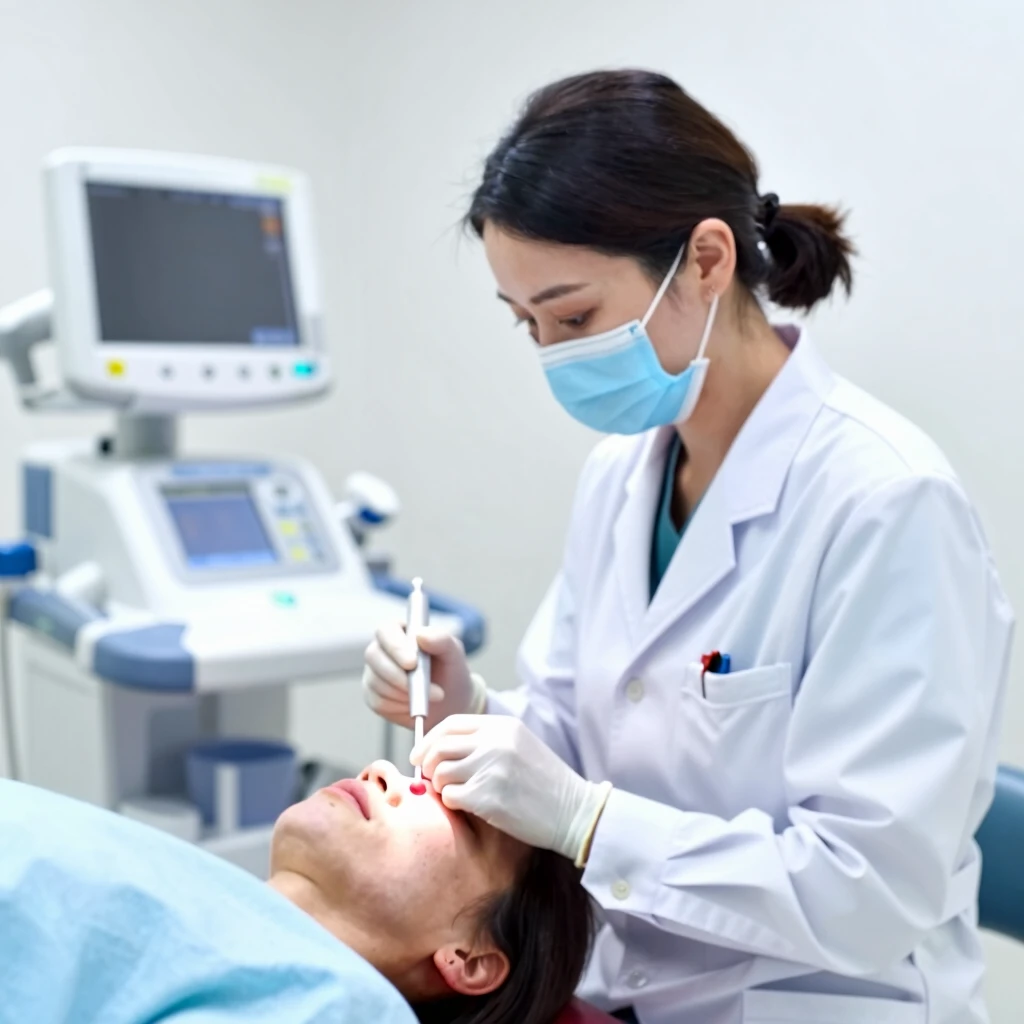
IVF often plays a big role here. In IVF, doctors stimulate ovaries to produce multiple eggs. They monitor estradiol levels closely to time egg retrieval right.
Higher estradiol during stimulation can mean more eggs, but too high risks complications like ovarian hyperstimulation. Balance is key.
From personal stories I've heard, IVF for fertility preservation feels empowering. A colleague froze her eggs at 35 after learning her estradiol suggested declining reserve. She now has peace of mind.
Age matters a lot. Women's fertility peaks in the 20s, with estradiol levels strong. By 40, levels drop, raising infertility risks. Preservation in your 30s can boost chances later.
Infertility affects about 1 in 8 couples. Low estradiol is one cause, but preservation offers solutions. It's not just for medical reasons—many choose it for career or partner timing.
Costs vary, but insurance sometimes covers if tied to medical needs. Check local clinics for details.
Steps in fertility preservation: 1. Consult a specialist. 2. Test hormone levels, including estradiol. 3. Stimulate ovaries if needed. 4. Retrieve and freeze eggs or embryos. 5. Store safely.
Success rates depend on age at freezing. Younger women see higher live birth rates from thawed eggs.
Learn detailed options from the Mayo Clinic's overview of fertility preservation before cancer. It covers methods like egg freezing and shielding.
Men can preserve fertility too, through sperm freezing. But this guide focuses on women, where estradiol is central.

Lifestyle tips help maintain healthy estradiol: Eat balanced meals, exercise regularly, manage stress. Avoid smoking—it harms hormone balance.
If facing infertility, don't wait. Early checks of estradiol levels and fertility preservation talks can change outcomes.
In summary, estradiol levels guide us on ovarian health, while fertility preservation secures options against infertility. Whether through IVF or freezing, these tools empower family planning. Talk to a doctor to start your journey.