Understanding IVF: A Step-by-Step Guide
March 18, 2026, 6:44 a.m.
Understanding IVF: A Step-by-Step Guide opens the door to one of the most effective paths to parenthood when natural conception faces challenges. In this comprehensive article, you will walk through each phase of in vitro fertilization, learn about real costs, insurance options, and fertility preservation strategies. Whether you are just starting or already exploring treatments, this guide delivers clear, practical information to help you feel confident and informed.
IVF, or in vitro fertilization, is a medical process where eggs and sperm meet outside the body to create embryos that can then grow into a pregnancy. Doctors developed this technique decades ago, and today it helps millions of families worldwide. Many couples turn to IVF after trying other methods or facing specific fertility issues like blocked tubes, low sperm count, or unexplained infertility.

The journey begins with an initial consultation. Your doctor reviews medical history, runs blood tests, ultrasounds, and semen analysis. This step helps create a personalized plan. Ask questions freely—many clinics encourage it. You will also discuss lifestyle changes like quitting smoking or adjusting diet to boost success chances.
Next comes ovarian stimulation. You take daily hormone injections for about 8 to 14 days to encourage multiple eggs to mature. The clinic monitors you closely with blood tests and ultrasounds to track follicle growth. Most people describe this phase as manageable with some bloating or mood swings, but support teams help every step of the way.
When eggs are ready, you receive a trigger shot. Exactly 36 hours later, doctors perform egg retrieval under light sedation. Using ultrasound guidance, they gently collect the eggs through a thin needle. The procedure lasts 20 to 30 minutes, and most patients rest briefly afterward before going home the same day.
In the lab, embryologists examine the eggs and combine them with sperm. Some clinics use standard IVF where sperm swim to the egg naturally, while others choose ICSI—injecting a single sperm directly. Fertilization usually happens within hours, and embryos begin to divide.
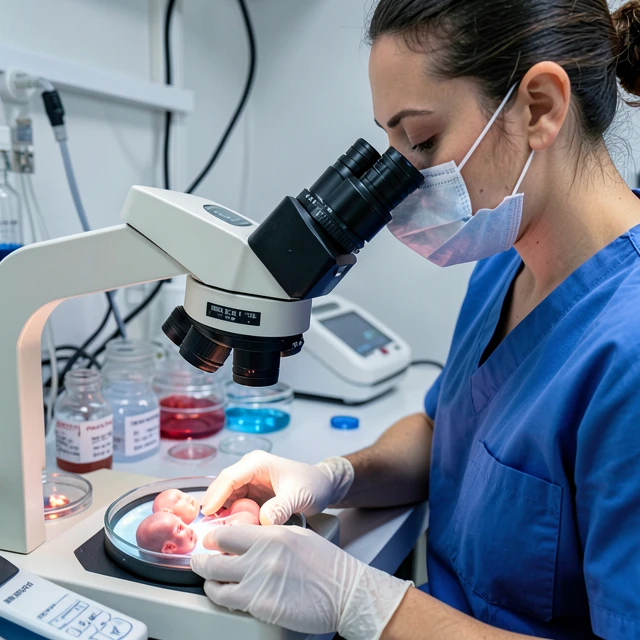
Embryos grow in a special incubator for three to five days. On day five, many reach the blastocyst stage—the ideal time for transfer or freezing. Doctors may recommend preimplantation genetic testing to check for chromosomal issues, especially if you are over 35 or have had previous losses.
Embryo transfer feels like a quick, painless ultrasound procedure. The doctor places one or two embryos into the uterus using a thin catheter. You rest for a short time afterward. Many clinics now favor single embryo transfer to reduce multiple birth risks while maintaining good success rates.
The two-week wait follows. You take progesterone support to help the lining stay thick and receptive. At the end of this period, a blood test confirms pregnancy. Hearing those first positive results brings immense joy for many families.
Success rates vary by age and health. According to the latest data from the CDC's ART success rates report, about 37.5 percent of IVF cycles result in a live birth nationally. For women under 35, rates often exceed 50 percent per cycle. These numbers give realistic hope while reminding everyone that multiple cycles may be needed.
Understanding the cost of fertility preservation and IVF helps you plan ahead. A single IVF cycle typically ranges from $15,000 to $30,000 in the United States, including monitoring, retrieval, and transfer. Medications add another $3,000 to $8,000. Fertility preservation and IVF often overlap—freezing extra embryos during an IVF cycle costs less than a separate egg-freezing round.
Fertility preservation itself, such as egg freezing for future use, runs between $10,000 and $20,000 per cycle plus annual storage fees of $500 to $1,000. Many choose this option before cancer treatment, career delays, or simply to extend their reproductive timeline. Combining fertility preservation and IVF in one plan can save both time and money.

Insurance and Fertility Treatments: What to Know is a crucial topic. Coverage varies widely by state and employer. Fifteen states mandate some infertility benefits, but only a few require full IVF coverage. Check your policy early—many plans cover diagnostics but not treatment. Resources like RESOLVE: The National Infertility Association list state-by-state rules to help you advocate effectively.
If insurance falls short, explore grants, clinic financing plans, or employer fertility benefits. Some large companies now include IVF coverage as a perk. Saving through flexible spending accounts or payment plans also eases the financial load. Remember, investing in fertility preservation early can reduce future costs significantly.
Every step carries small risks, such as ovarian hyperstimulation syndrome or minor bleeding after retrieval. Your care team screens for these and adjusts protocols. Most people experience temporary discomfort rather than serious issues. Open conversations with your doctor build trust and reduce anxiety.
Many patients share that the emotional side feels just as important as the medical one. One couple described the two-week wait as the hardest part, yet the support from online communities and counseling made it bearable. Lean on partners, friends, or professional therapists—fertility journeys strengthen relationships when handled together.
Actionable tips make the process smoother. Track every appointment in a dedicated notebook. Eat nutrient-rich foods, stay hydrated, and keep moderate exercise. Prepare questions before each visit. Consider acupuncture or mindfulness if they help you relax—many find these practices reduce stress without interfering with treatment.
In summary, Understanding IVF: A Step-by-Step Guide shows that the path, while detailed, leads many families to their dream of holding a baby. With clear knowledge of costs, insurance options, fertility preservation choices, and realistic expectations, you gain control over your journey. Reach out to a qualified clinic today and take that first empowering step.