CDC IVF Success Estimator: Estimate Your Chances of a Live Birth with IVF
March 16, 2026, 6:44 a.m.
Overview
Struggling with infertility? The CDC IVF Success Estimator - Estimate your chances of a live birth with IVF is a free online tool powered by real U.S. clinic data. Enter a few details about your age, weight, and history, and it quickly shows your estimated odds of success across one to three IVF cycles. This practical guide walks you through every step while sharing real insights to help you feel more in control.

What Is the CDC IVF Success Estimator?
The CDC IVF Success Estimator uses nationwide data collected from hundreds of fertility clinics through the National Assisted Reproductive Technology Surveillance System. It analyzes thousands of real IVF cycles to predict your personal chances of a live birth.
Unlike general IVF Success Rates charts you see online, this tool gives you tailored estimates based on your unique situation. It focuses on IVF, the most common fertility treatment, and helps couples dealing with infertility make informed decisions without any cost or commitment.
How to Use the CDC IVF Success Estimator Step by Step
Getting started takes less than five minutes. First, visit the official CDC page and select your background details. You will enter your age (between 20 and 50), height, and weight. Next, answer questions about previous pregnancies and any past IVF attempts.
Then choose the reason you are using IVF, such as male factor infertility, endometriosis, or unexplained infertility. The tool instantly calculates your estimated live birth chances after one, two, or three egg retrievals and all embryo transfers.
You can slide through results to see how your odds change with different plans. Many users say this simple process reduces anxiety and sparks better conversations with their doctor.
Key Factors That Shape Your IVF Success Rates
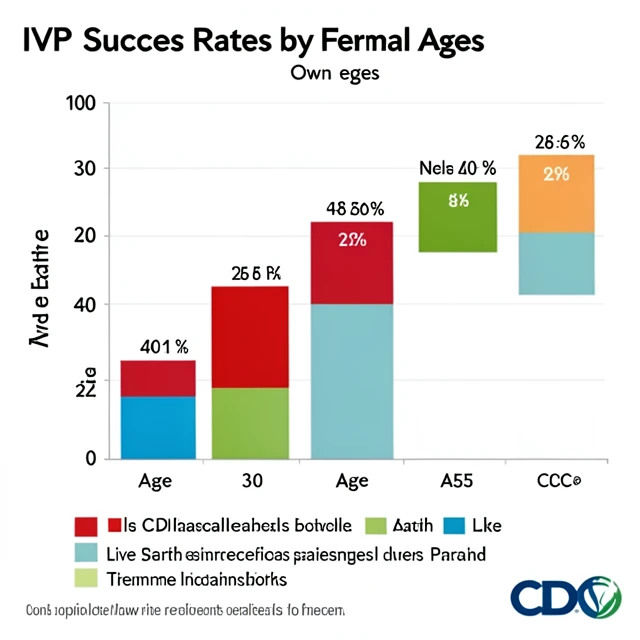
Age is the biggest driver of IVF Success Rates when using your own eggs. Women under 35 often see 40-55% live birth chances per cycle, while those over 40 drop to 10-20%. Your body mass index matters too—normal weight ranges usually deliver the best outcomes.
Previous successful pregnancies boost your numbers, while a first-time IVF attempt can feel more uncertain. The tool also factors in your specific infertility diagnosis. Here is a quick look at average national IVF Success Rates by age group:
| Age Group | Live Birth Chance per Retrieval (Own Eggs) |
|---|---|
| Under 35 | 40-55% |
| 35-37 | 30-45% |
| 38-40 | 20-35% |
| Over 40 | 10-20% |
These numbers come straight from CDC reports and show why the estimator feels so personal and helpful.
Success Rates of Fertility Treatments with Donor Eggs
If your own egg quality is a concern, donor eggs can change everything. Success rates of fertility treatments with donor eggs are significantly higher—often 50-60% live birth per transfer—because donors are typically young and healthy. These rates stay strong no matter your age.
The CDC IVF Success Estimator focuses mainly on your own eggs, so if donor eggs fit your plan, ask your clinic for separate predictions. Many couples who switched to donor eggs after low estimator results went on to welcome healthy babies on their first or second try. This option brings fresh hope when infertility feels overwhelming.
Real Stories: Personal Insights from Couples Who Used the Tool
Meet Sarah, 34, who faced unexplained infertility. She plugged her details into the CDC IVF Success Estimator and saw a 48% chance after one cycle. That number gave her the confidence to start treatment right away. After two cycles she held her son.
Then there is Mike and Lisa, both 39. The tool showed only 22% odds with their own eggs but jumped dramatically with donor options. They chose donor eggs and celebrated twins nine months later. These stories remind us the estimator is a starting point, not a final answer—real results often exceed the predictions when combined with great medical care.
Limitations Every User Should Know
The tool delivers estimates only for ages 20 to 50 and certain height and weight ranges. It does not store your data or replace a doctor visit. Results are based on past cycles, so your personal IVF Success Rates may vary based on your clinic, embryo quality, and lifestyle.
It also does not cover every possible diagnosis or advanced techniques like genetic testing. Always discuss results with your fertility specialist. The CDC clearly states these are informational estimates only—no medical advice.
Actionable Tips to Boost Your Chances Before Starting IVF
- Maintain a healthy BMI through balanced meals and light exercise.
- Quit smoking and limit alcohol completely.
- Take prenatal vitamins with folic acid and CoQ10 after doctor approval.
- Choose a clinic with strong CDC-reported IVF Success Rates.
- Consider one healthy lifestyle change per week to keep stress low.
- Track your cycle and prepare emotionally with support groups.
Small steps like these can improve the numbers you see in the CDC IVF Success Estimator and raise your real-world odds.

Final Summary
The CDC IVF Success Estimator - Estimate your chances of a live birth with IVF puts powerful national data in your hands. Whether you are just starting to explore IVF or comparing options like donor eggs, this free tool offers clarity and confidence. Remember, IVF Success Rates are averages—your story can be different with the right support. Talk with your doctor, use the estimator as a guide, and take that hopeful first step toward building your family.