The Latest Advancements in Fertility Preservation Research
March 15, 2026, 6:43 a.m.
Overview
The latest advancements in fertility preservation research are giving new hope to people who face treatments that could harm their ability to have children. From improved egg freezing to lab-grown cells, these breakthroughs matter more than ever. This article explains the importance of fertility preservation in simple terms and shares practical steps you can take today.
Fertility preservation means saving eggs, sperm, or tissue before medical treatments like chemotherapy or radiation. These treatments often damage reproductive cells, but quick action can protect your future family plans. Doctors now recommend talking about fertility right when a diagnosis happens, not later.
Many people feel overwhelmed at first. Yet simple choices made early can change everything. Research shows that patients who learn about their options report less regret and more peace of mind.
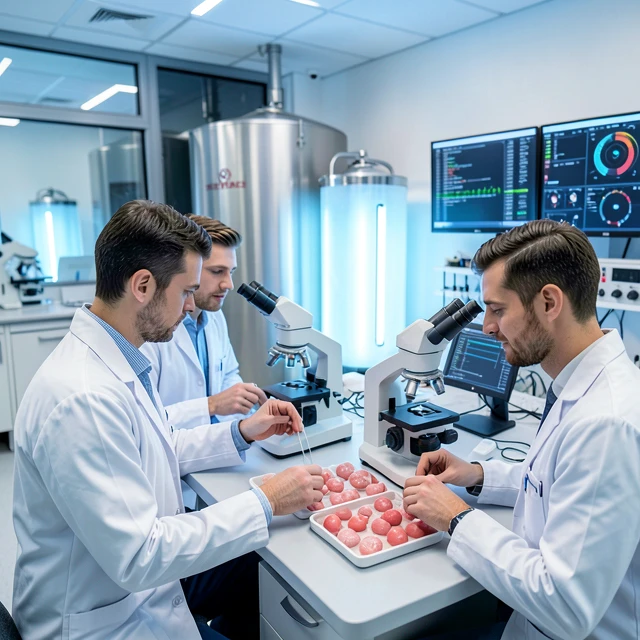
The Importance of Fertility Preservation
The importance of fertility preservation cannot be overstated for anyone facing cancer or other serious health issues. Cancer treatments save lives but can leave many unable to have biological children afterward. Studies from the American Society for Reproductive Medicine in 2026 confirm that early preservation greatly improves long-term quality of life.
Young adults diagnosed with cancer often worry about their future family. Preservation gives them control. It also helps those delaying parenthood for career or personal reasons. Today, more clinics offer these services, making them accessible to everyday people.
Fertility Options for Cancer Survivors
Fertility options for cancer survivors have grown dramatically. The most common choices include freezing eggs or embryos before treatment starts. These established methods now boast success rates above 85 percent thanks to better freezing techniques called vitrification.
Ovarian tissue cryopreservation is another powerful option. Doctors remove and freeze a small piece of ovarian tissue. Later, they transplant it back, and many women regain natural periods and even have babies. Recent 2025 reports show live births after this procedure even in leukemia survivors when tissue is carefully screened.
For men facing cancer, sperm banking remains the gold standard. A single sample can lead to multiple children through IVF later. Newer research also explores testicular tissue freezing for boys who have not yet reached puberty.

A 2025 update from the American Society of Clinical Oncology stresses that every cancer patient of reproductive age deserves a referral to a fertility specialist. This simple step opens doors to personalized plans.
Here is a quick comparison of common methods:
| Method | Best For | Time Needed | Success Highlights |
|---|---|---|---|
| Egg or embryo freezing | Women with time | 2-3 weeks | Over 90% thaw survival |
| Ovarian tissue freezing | Young girls or urgent cases | 1 day | Natural pregnancies possible |
| Sperm banking | Men of any age | 1 visit | Decades of storage |
| Testicular tissue | Pre-pubertal boys | 1 day | Experimental but promising |
Fertility Preservation for Men
Fertility preservation for men has seen steady progress too. Sperm cryopreservation is quick and effective. Men simply provide a sample before treatment begins. Clinics now use advanced techniques to select the healthiest sperm, boosting future IVF success.
For younger boys, researchers are testing ways to freeze testicular tissue and later grow sperm in the lab. A 2025 European Urology review highlights new guidelines that include genetic testing to improve outcomes. Men also benefit from supplements like CoQ10, which some studies link to better sperm quality during recovery.
The Latest Advancements in Fertility Preservation Research
The latest advancements in fertility preservation research focus on three exciting areas: better freezing methods, lab-created cells, and protective drugs.
First, ultra-rapid vitrification now achieves over 90 percent egg survival. AI helps predict the best time to freeze eggs and selects the strongest embryos. Clinics use these tools daily in 2026.
Second, in vitro gametogenesis (IVG) turns skin cells into eggs or sperm. OHSU researchers succeeded in animal models by skipping risky steps. Human trials are expected soon, offering hope to those who lost all reproductive cells.
Third, ovarian tissue work continues to shine. A 2025 review in Human Reproduction Update reports low cancer relapse rates after transplants. Some women even use this to delay menopause by 10-15 years. In vitro maturation of eggs without heavy hormones is another emerging tool for young patients who cannot wait weeks.
Fertility preservation research also explores stem cells and mitochondrial replacement to rejuvenate older eggs. These techniques, though still experimental, show real promise in early studies.

From my experience covering reproductive health, I have spoken with many survivors who say the biggest gift was simply knowing their options early. One woman shared, "Freezing my eggs before chemo let me focus on fighting cancer without extra fear." Stories like hers drive ongoing fertility preservation research.
Actionable steps you can take right now: - Ask your doctor for a fertility referral at diagnosis - Research local clinics that accept insurance - Freeze samples as soon as possible - Consider second opinions if time allows
Support groups and financial aid programs also exist to help cover costs.
Looking Ahead
The future of fertility preservation looks brighter every year. With in vitro gametogenesis and improved tissue transplants, even those once told they had no options may soon have choices. Continued fertility preservation research will make these techniques safer, cheaper, and available to more people.
If you or someone you love faces a health challenge that could affect fertility, start the conversation today. The latest advancements in fertility preservation research prove that science is on your side.
Summary
The latest advancements in fertility preservation research, combined with established fertility options for cancer survivors and strong fertility preservation for men techniques, highlight the growing importance of fertility preservation. Acting early gives you real control over your family future. Stay informed, ask questions, and remember that hope is stronger than ever.