Fertility Preservation: What You Need to Know
March 12, 2026, 6:47 a.m.
Overview
Fertility preservation helps individuals protect their chance to have children later in life. This article on Fertility Preservation: What You Need to Know explains the main options, discusses the cost of fertility preservation services, and guides you on finding reliable fertility preservation clinics. Discover how these steps connect to future treatments like in vitro fertilization.
What Is Fertility Preservation?
Fertility preservation refers to medical techniques that save eggs, sperm, embryos, or reproductive tissue for future use. Doctors use these methods when life events might harm natural fertility. People choose it for many reasons. You take action now to keep your dreams of parenthood alive.
These procedures have advanced significantly. They give hope to cancer patients, those delaying family for career or personal reasons, and anyone concerned about age-related fertility decline. The key is acting before fertility decreases.

Who Should Consider Fertility Preservation?
Anyone facing treatments that could damage fertility should explore these options early. Cancer patients undergoing chemotherapy or radiation often benefit the most. Women and men in their 20s or 30s who want to focus on careers or education also choose it.
Other groups include people with genetic conditions affecting fertility or those transitioning genders who want to preserve options. The decision is personal. Talk openly with your doctor about your situation to see if it fits your life plan.
One woman shared her experience: 'Facing breast cancer at 29, I froze my eggs before treatment. It gave me hope during tough times.' Stories like hers show how this choice provides emotional strength alongside medical protection.
Common Methods of Fertility Preservation
Several proven techniques exist today. Egg freezing, or oocyte cryopreservation, lets women store unfertilized eggs. Sperm freezing is straightforward for men and has been successful for decades. Embryo freezing combines eggs and sperm before storage.
For some, doctors recommend ovarian or testicular tissue freezing. This option suits those who cannot delay treatment. Each method has different timelines and success profiles. Your doctor will recommend based on your age, health, and time available.
The Step-by-Step Process
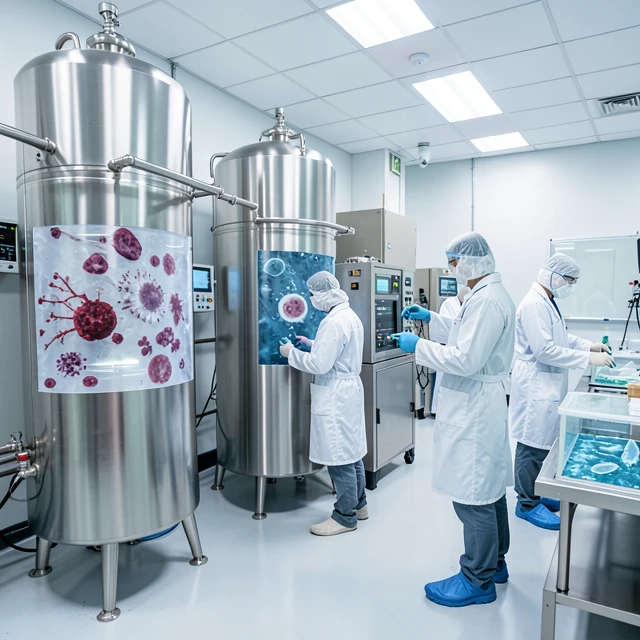
The journey usually starts with a consultation at one of the fertility preservation clinics. Tests assess your current fertility levels. For egg freezing, you take hormone medications for about two weeks to stimulate egg production. Then, doctors retrieve the eggs under light sedation.
Lab specialists freeze the healthy eggs or embryos quickly using vitrification. This flash-freezing protects the cells. Storage follows in secure facilities. Later, when ready, you thaw and use them in treatment cycles. The whole process requires planning but offers great rewards.
The Cost of Fertility Preservation Services
Understanding expenses helps you plan. The cost of fertility preservation services typically ranges from $10,000 to $20,000 for one egg freezing cycle, including medications and procedures. Sperm banking costs far less, around $500 to $1,000 initially. Annual storage fees add $500 to $1,000 per year.
Many factors influence the final price, including your location and specific needs. Some insurance plans cover costs for medical reasons like cancer. Always check your benefits. Financing options exist through clinics or special programs.
Understanding In-Vitro Fertilization: Costs and Success Rates
When you decide to use preserved materials, in vitro fertilization often comes next. Understanding In-Vitro Fertilization: Costs and Success Rates gives you the full financial and outcome picture. An IVF cycle usually costs $12,000 to $15,000 or more. Success rates vary mainly by age at freezing.
According to national data, women under 35 see live birth rates around 45% to 55% per transfer with their own eggs. Rates drop with age. Freezing earlier boosts your chances significantly. View the CDC's ART Success Rates for detailed clinic comparisons.

Choosing Fertility Preservation Clinics
Select fertility preservation clinics carefully. Look for centers that participate in reporting to organizations like SART. Check their success rates and experience with your specific needs. Visit in person if possible to gauge the atmosphere and staff support.
Ask about their lab quality, since freezing techniques matter a lot. Read patient reviews and seek referrals. Top clinics provide counseling and connect you with support groups. Read the Mayo Clinic's guide on fertility preservation for more preparation tips. The ASRM guidelines on oocyte cryopreservation also help set expectations.
Personal Insights and Real Experiences
Many people feel overwhelmed at first but find clarity after research. Mark, who banked sperm before treatment for lymphoma, said it reduced his anxiety about the future. 'Knowing I had options made fighting the disease easier.' Women often mention the empowerment from taking control.
These experiences highlight the value beyond numbers. Fertility preservation is not just medical—it's about hope and choice. Discuss feelings with counselors at the clinic.
Risks and Important Considerations
Like any medical procedure, there are risks such as hormone side effects or rare complications from retrieval. Success is not guaranteed, and age plays a big role. Think about emotional and financial commitments upfront.
Start conversations early with your healthcare team. The sooner you learn about fertility preservation, the better your outcomes can be.
Summary
Fertility preservation empowers you to take charge of your reproductive future. By understanding your options, budgeting for the cost of fertility preservation services, and selecting excellent fertility preservation clinics, you set yourself up for success. Combine this knowledge with Understanding In-Vitro Fertilization: Costs and Success Rates to make confident choices. Consult professionals soon to explore what works best for you.