Natural Cycle IVF: What You Need to Know
Feb. 27, 2026, 6:41 a.m.
Natural Cycle IVF: What You Need to Know is a guide for anyone considering this low-intervention fertility treatment. This approach works with your body's natural ovulation instead of heavy hormone stimulation, offering fewer side effects and lower costs—but also different success odds.
Many turn to it after tough experiences with conventional IVF or simply preferring a more natural path.
What Is Natural Cycle IVF?
Natural Cycle IVF follows your monthly cycle closely. Doctors use ultrasounds and sometimes blood tests to track follicle growth and predict ovulation. When the time is right, they retrieve the single mature egg, fertilize it in the lab, and transfer the embryo.
No heavy drugs stimulate multiple eggs, so the process feels less intense physically.
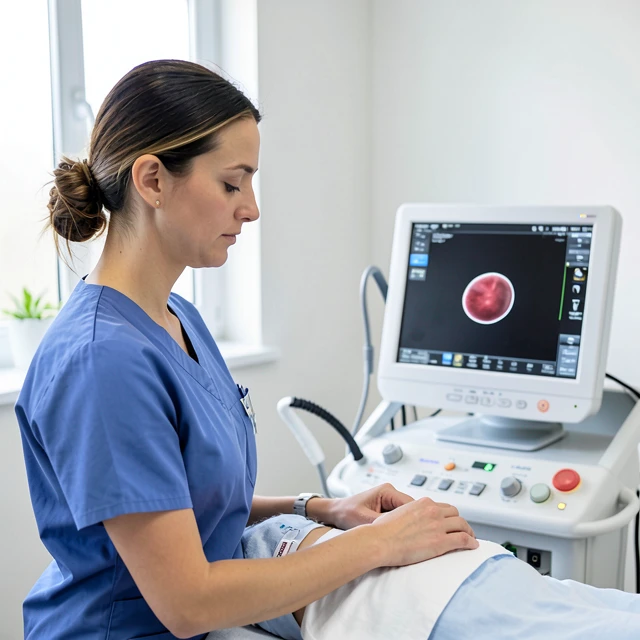
The main appeal? It avoids hormone-related side effects like mood swings, bloating, or OHSS risk. Multiples are rare since typically one embryo transfers. Many patients say it feels empowering to work with their natural rhythm.
Costs and How It Compares
A natural cycle often costs $3,000–$6,000 per attempt—far below traditional IVF's $15,000+ (including meds). The big savings come from skipping stimulation drugs.
That said, lower per-cycle success means you might need several tries, so total costs can vary.
Traditional IVF Explained: Costs and Success Rates involves hormone shots to produce many eggs, boosting embryo numbers but raising side effects and expenses. For details, see national reports from trusted sources.
IVF Success Rates: Digging Into the Numbers
National data from sources like the CDC show traditional IVF live birth rates often hit 20-40% per cycle for women under 35, dropping with age.
Success rates of natural cycle IVF usually range 5-15% live birth per started cycle, due to one egg only. Per transfer, rates can climb to 20-30% in ideal cases.
Studies note lower per-cycle odds than stimulated IVF, but cumulative success over repeats can be comparable for select patients.
Age, egg quality, and cycle regularity matter most. Younger women with good reserve often see stronger results. Cancellations happen if timing fails or no mature egg appears.
Real patients share mixed experiences. Some love the minimal intervention and succeed after a few cycles. Others find the uncertainty challenging but appreciate avoiding drug side effects.
How to Pick the Best IVF Clinic for You
Seek clinics skilled in natural protocols—timing is everything. Ask for their natural cycle success data, not just overall stats.
Review CDC ART Success Rates for clinic comparisons, or explore SART success rate tools to inform your choice.
Look for transparent teams who listen to your goals.

Is Natural Cycle IVF Right for You?
It suits women with regular cycles who prioritize fewer meds and lower risks. It's less ideal if you need faster results or have low reserve.
Discuss openly with a specialist. Your unique situation guides the best path.
Natural cycle IVF provides a thoughtful, body-friendly option in fertility care. While per-cycle success trails traditional methods, its benefits in comfort and cost make it worth considering for many.