Balancing Hormones: A Guide to Understanding Your Body
Feb. 23, 2026, 6:37 a.m.
Quick Overview
Hormones control mood, energy, weight, and reproduction. When they fall out of balance, life feels harder. Balancing Hormones: A Guide to Understanding Your Body offers simple steps to recognize signs, make changes, and know when professional help—like from a reproductive endocrinologist—is needed. Small daily habits often bring big improvements.
What Are Hormones and Why Do They Matter?
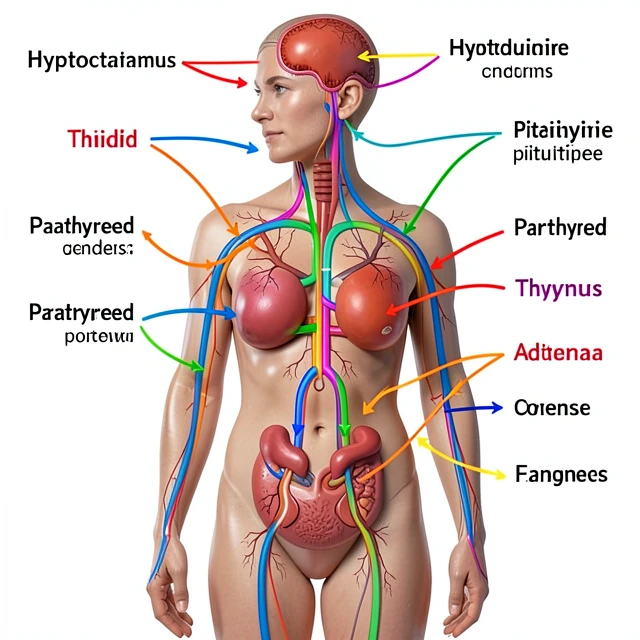
Your body uses hormones as chemical messengers. They travel through blood to tell organs what to do. Key players include estrogen, progesterone, testosterone, cortisol, insulin, and thyroid hormones.
These chemicals affect almost everything: how you sleep, eat, feel, and reproduce. When levels stay steady, you feel good. But stress, age, diet, or health issues can throw them off.
Many people notice changes in their 20s, 30s, or later. I remember a friend in her late 20s who felt tired all the time. Simple tweaks to her routine helped her energy return. Understanding your body starts with knowing these signals.
Common Signs of Hormone Imbalance
Hormone problems show up in different ways. Watch for these symptoms:
- Irregular or painful periods
- Sudden weight gain or loss
- Constant fatigue
- Mood swings or anxiety
- Acne that won't go away
- Hair loss or extra hair growth
- Trouble sleeping
- Low sex drive
For women, these often tie to estrogen or progesterone shifts. Men might notice low energy from testosterone changes.
If symptoms last months, don't ignore them. They can point to bigger issues like thyroid problems or polycystic ovary syndrome (PCOS).

What Causes Hormone Imbalances?
Several factors disrupt hormones:
- Chronic stress — High cortisol affects other hormones.
- Poor diet — Too much sugar spikes insulin.
- Lack of sleep — Less than 7 hours hurts regulation.
- Excess exercise or none at all — Both extremes cause issues.
- Environmental toxins — Plastics and chemicals mimic hormones.
- Life stages — Puberty, pregnancy, perimenopause.
- Medical conditions — Thyroid disorders, PCOS, diabetes.
Genetics play a role too. A family history of hormone issues raises your risk.
Natural Ways to Support Hormone Balance
You hold power through daily choices. Here are proven steps:
Eat for Balance
Focus on whole foods. Include: - Healthy fats (avocados, nuts, olive oil, fatty fish) - Protein at every meal (eggs, chicken, beans, fish) - Fiber-rich veggies and fruits - Limit sugar and processed items
These help steady blood sugar and support hormone production.

Move Your Body
Regular exercise lowers stress hormones and boosts feel-good ones. Aim for: - 30 minutes of walking most days - Strength training 2-3 times a week - Yoga or stretching for flexibility
Avoid overdoing intense workouts, as they can raise cortisol.
Prioritize Sleep
Aim for 7-9 hours nightly. Create a routine: - Dark, cool room - No screens an hour before bed - Consistent schedule
Good sleep helps regulate hunger and stress hormones.
Manage Stress
Try: - Deep breathing or meditation (5-10 minutes daily) - Time in nature - Hobbies you enjoy
Lower stress protects your adrenal glands.
Other Helpful Habits
Stay hydrated, limit caffeine and alcohol, and consider gut health with probiotics. Some find seed cycling useful—rotating seeds like flax and pumpkin through the cycle—but check with a doctor first.
When to See a Specialist
Lifestyle changes help many people. But sometimes you need expert care.
A reproductive endocrinologist specializes in hormone issues tied to reproduction. They treat menstrual disorders, PCOS, and other conditions affecting cycles.
If you're facing infertility, a reproductive endocrinologist can guide fertility treatment. They run tests, prescribe medications, or suggest options like IVF.
Don't wait if: - Periods are very irregular - You've tried to conceive for over a year (or 6 months if over 35) - Symptoms severely impact life
Seeing a specialist brings answers and targeted help.
Final Thoughts
Balancing Hormones: A Guide to Understanding Your Body shows that small, consistent changes make a difference. Listen to your body, eat well, move, rest, and reduce stress. If needed, seek help from a reproductive endocrinologist.
Your hormones affect your whole life. Taking steps now leads to more energy, better mood, and overall wellness. Start today—you deserve to feel your best.