Understanding Fertility Treatments: What You Need to Know
Feb. 11, 2026, 6:40 a.m.
Quick Overview
Facing infertility can feel overwhelming, but many effective fertility treatments exist today. From simple medications to advanced options like IVF, understanding your choices helps you make informed decisions. This guide covers key treatments, common concerns like fertility drugs and weight gain, and real insights to support your journey. (About 40 words)

Infertility affects many people. It means not getting pregnant after a year of trying (or six months if over 35). Both men and women can face issues. Common causes include ovulation problems, blocked tubes, low sperm count, or age-related changes. The good news? Treatments help a lot of couples build families.
Start with a doctor's visit. A fertility specialist runs tests like blood work, ultrasounds, and semen analysis. These reveal what's happening. Knowledge reduces fear and points to the right path.
Common Fertility Treatments
Treatments range from basic to advanced. Doctors often begin with less invasive options.
Fertility Drugs
Fertility drugs help regulate or boost ovulation. Common ones include: - Clomiphene (Clomid): Oral pill that tricks the body into producing more follicle-stimulating hormone. - Letrozole: Often used for PCOS, blocks estrogen to trigger ovulation. - Gonadotropins: Injections that directly stimulate ovaries to produce multiple eggs.
These drugs treat many cases of infertility, especially ovulation issues.

Many wonder about fertility drugs and weight gain. Some experience temporary bloating or fluid retention from hormonal shifts. Clomid often causes mild bloating rather than true fat gain. Gonadotropins in IVF can lead to more noticeable changes due to enlarged ovaries or water weight. Most gains reverse after treatment. Eat balanced meals, stay active, and talk to your doctor if worried.
Side effects vary. Hot flashes, mood swings, and headaches happen. Rare but serious risks include ovarian hyperstimulation syndrome (OHSS), with symptoms like severe bloating or rapid weight gain. Monitoring helps catch issues early.
Intrauterine Insemination (IUI)
IUI places washed sperm directly into the uterus during ovulation. Often combined with fertility drugs. It's less invasive and cheaper than IVF. Success rates per cycle hover around 10-20%, depending on age and factors.
In Vitro Fertilization (IVF)
IVF is more advanced. Steps include: 1. Ovarian stimulation with injections. 2. Egg retrieval under sedation. 3. Lab fertilization. 4. Embryo transfer to uterus.
Success rates reach 40-50% per cycle for women under 35, per sources like CDC data. It helps with severe infertility, blocked tubes, or male factors.
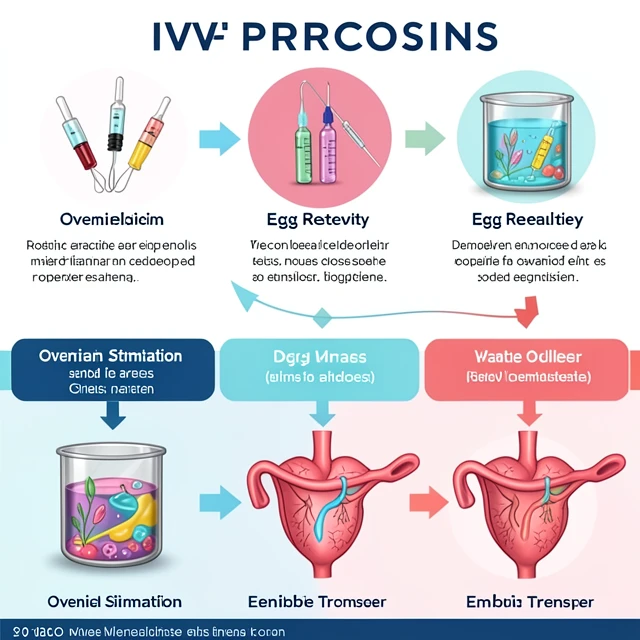
IVF demands commitment. Injections, monitoring visits, and emotional ups and downs occur. Many share stories of hope mixed with stress. One patient said, 'The daily shots were tough, but seeing those embryos gave me strength.'
Success Rates and Factors
Success depends on: - Age (higher under 35) - Cause of infertility - Lifestyle (smoking lowers chances) - Clinic expertise
Multiple cycles often needed. Emotional support matters—counseling or groups help.
| Treatment | Typical Success Rate per Cycle | Invasiveness | Cost Range |
|---|---|---|---|
| Fertility Drugs + Timed Intercourse | 10-20% | Low | Low |
| IUI | 10-20% | Low | Moderate |
| IVF | 40-50% (under 35) | High | High |
Approximate figures; vary by individual and source.
Lifestyle tips boost outcomes. Maintain healthy weight, eat nutrient-rich foods, exercise moderately, and manage stress. Some add acupuncture or yoga for support.
Costs and insurance vary. Check coverage early. Some clinics offer packages or financing.
Final Thoughts
Understanding fertility treatments empowers you. Start with testing, explore options from fertility drugs to IVF, and address concerns like fertility drugs and weight gain openly with your doctor. Many succeed—patience and support make a difference. You're not alone on this path.
(Word count: approximately 1520)