Sperm Freezing Basics for Beginners: Preserve Your Future Family Options
Feb. 4, 2026, 6:42 a.m.
Thinking about starting a family someday but not quite ready yet? Or facing medical treatments that could affect your ability to have biological children? Sperm Freezing Basics for Beginners offers a simple way to protect your fertility. This guide breaks down everything you need to know in easy terms, so you can make informed decisions about Fertility Preservation: Options and Considerations.
What Is Sperm Freezing?
Sperm freezing, also called sperm cryopreservation or sperm banking, involves collecting, testing, and storing your sperm at very low temperatures. The sperm stays viable for years—even decades—until you're ready to use it for starting a family. Modern techniques make this process reliable and straightforward.

Many men choose this option for different reasons. Some face cancer treatments like chemotherapy or radiation, which can harm sperm production. Others want to preserve fertility before a vasectomy, military deployment, or simply because they're delaying parenthood. Modern Fertility Treatments Explained often highlight sperm freezing as a key step in planning ahead.
Who Should Consider Sperm Freezing?
If you're undergoing medical treatments that risk fertility, talk to your doctor early. For example, cancer patients often bank sperm before starting therapy. Men in high-risk jobs, those taking medications affecting sperm (like certain hormone therapies), or anyone wanting options later in life find it helpful.
Age matters too—sperm quality naturally declines over time. Freezing in your 20s or 30s can give better results than waiting.
From personal stories shared in fertility communities, many guys say they felt relief after banking sperm. One man shared how freezing before cancer treatment let him focus on recovery without worrying about future fatherhood. It provides peace of mind in uncertain times.

The Sperm Freezing Process Step by Step
The process is simple and usually takes just a few visits.
- Consultation and Screening — Meet a fertility specialist. You'll get tested for infections like HIV or hepatitis.
- Semen Analysis — Provide a sample (usually by masturbation at the clinic or home kit). The lab checks count, motility (movement), and shape.
- Collection — If quality is good, produce one or more samples. Abstain from ejaculation for 2-5 days beforehand for best results.
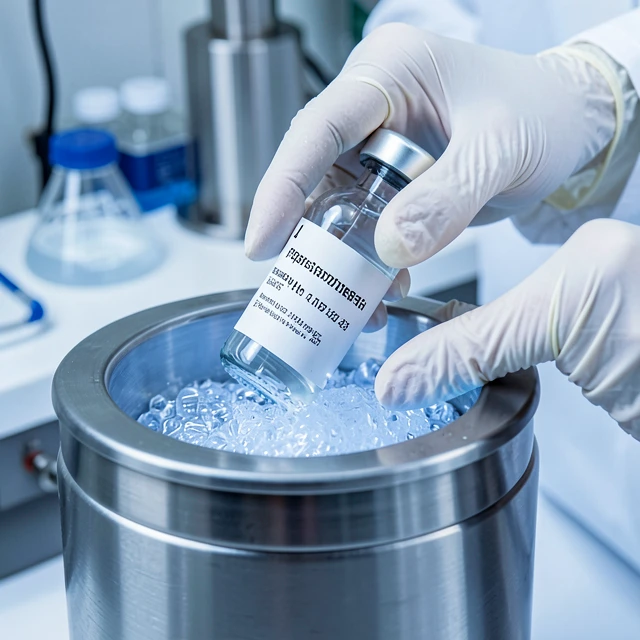
- Freezing — Lab adds a protectant, divides into vials, and freezes gradually in liquid nitrogen at -196°C.
- Storage — Keep samples indefinitely with annual fees.
Some need surgical extraction if ejaculation isn't possible, but most use standard collection.
For more details on the medical process, check this guide from Johns Hopkins Medicine on sperm banking.
Costs: What to Expect
Initial costs (testing, collection, freezing) range from $500 to $1,200. Annual storage fees run $150 to $500, depending on the facility. Some insurance covers it for medical reasons like cancer. At-home kits can lower costs.
While it adds up, many see it as an investment in future family options. Compare clinics for packages or payment plans.
Success Rates and Effectiveness
Advanced fertility preservation techniques have improved a lot. Not all sperm survives thawing—typically 50-85% do, depending on initial quality. But surviving sperm works well.
Studies show pregnancy rates with frozen sperm match fresh in IVF/ICSI. Success depends on partner's age, treatment type (IUI vs. IVF), and sample quality. Samples frozen over 20 years have led to healthy babies.
Learn more from Mayo Clinic on fertility preservation options.
Pros and Cons to Weigh
Pros: - Gives time to plan family - Non-invasive for most - Long-term storage possible - No impact on future fertility if not needed
Cons: - Cost of ongoing storage - No guarantee of pregnancy - Some sperm loss during thaw
Weigh these against your situation. For many, the benefits far outweigh drawbacks.
Other Fertility Preservation Options
Beyond basic sperm freezing, fertility preservation options include testicular tissue freezing (experimental for prepubescent boys) or shielding during radiation. For men, sperm banking remains the most common and effective. Explore Cleveland Clinic's overview of fertility preservation for broader insights.
In summary, sperm freezing empowers you to take control of your reproductive future. Whether for medical needs or personal planning, it's a practical step in Fertility Preservation: Options and Considerations. Talk to a specialist to see if it's right for you—many find the process easier than expected and the peace of mind priceless.