How IVF Technology Has Evolved Over the Years
Jan. 28, 2026, 6:45 a.m.
A Quick Overview
In vitro fertilization (IVF) has changed dramatically since the first baby was born using this method in 1978. What started as an experimental procedure with low success rates has become a reliable option for many facing infertility. Today, advancements in IVF technology help create healthier pregnancies and give people more control over their fertility journey. This article looks at the key steps in its evolution, including embryo freezing and genetic screening.
The story of IVF begins in the late 1970s. Doctors Robert Edwards and Patrick Steptoe in the UK worked for years to make fertilization happen outside the body. On July 25, 1978, Louise Brown became the world's first IVF baby. Back then, success rates were very low—often below 10%. Doctors used natural cycles without many fertility drugs, and they had limited tools to watch embryo growth.
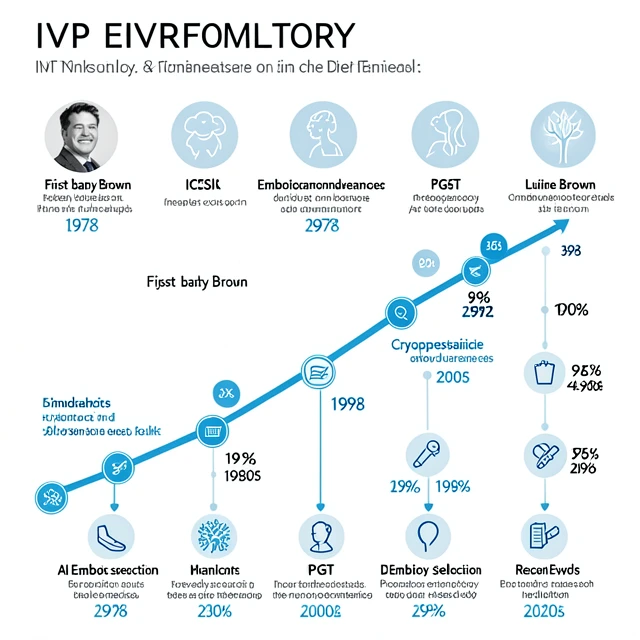
Through the 1980s and 1990s, big changes improved IVF. Doctors started using hormone injections to grow multiple eggs in one cycle. This raised the number of embryos available. Ultrasound guidance made egg retrieval safer and less invasive. In 1992, intracytoplasmic sperm injection (ICSI) arrived. This technique injects a single sperm directly into an egg, helping men with low sperm counts become fathers.
One major breakthrough was Understanding Embryo Cryopreservation. Freezing embryos began in the early 1980s, but it became much better with vitrification in the 2000s. This fast-freezing method prevents ice crystals from damaging cells. The benefits of embryo cryopreservation for IVF include higher success rates in frozen transfers compared to fresh ones in many cases, more flexibility in timing, and the chance to store extra embryos for future use. It also reduces the risk of ovarian hyperstimulation syndrome by allowing delayed transfers.
According to data from the CDC's IVF Success Estimator, success rates have climbed steadily. For women under 35, live birth rates now reach nearly 50-55% per cycle in many clinics, a huge jump from single-digit rates in the early days.
Another key area is Understanding Preimplantation Genetic Testing in IVF. Known as PGT, this tests embryos for chromosomal issues before transfer. It started as preimplantation genetic diagnosis (PGD) in the 1990s for specific genetic diseases. Now, preimplantation genetic screening (PGS/PGT-A) checks all chromosomes to select the healthiest embryos. This lowers miscarriage risk and boosts live birth chances, especially for older women or those with repeated losses. For more details, see this review from PMC on developments in IVF.
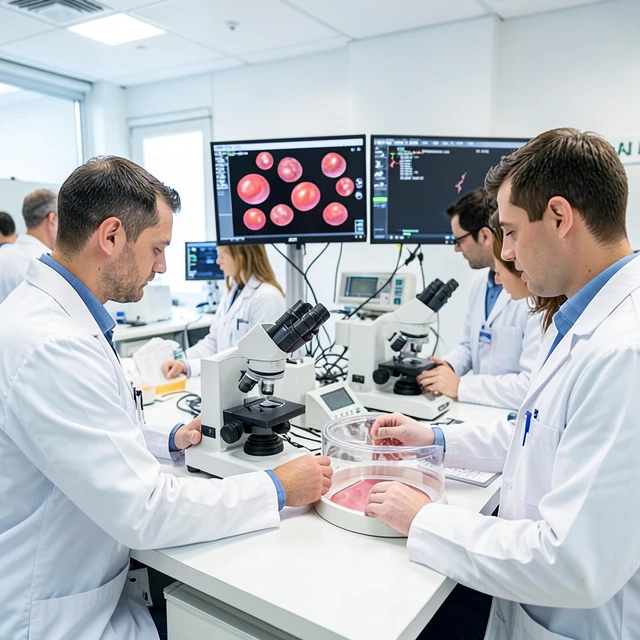
Advancements in IVF Technology continue today. Time-lapse imaging lets doctors watch embryo growth without disturbing them. Artificial intelligence (AI) now helps select the best embryos by analyzing patterns humans might miss. Better culture media mimic the body's natural environment, leading to stronger embryos reaching the blastocyst stage.
Frozen embryo transfers often outperform fresh ones because the body recovers from stimulation drugs first. Vitrification has survival rates over 95% for thawed embryos. These changes mean more people get to take home a baby after treatment.
Here are some key milestones in IVF evolution:
- 1978: First IVF baby born
- 1980s: Hormone stimulation and early cryopreservation
- 1992: ICSI introduced
- 1990s-2000s: Blastocyst culture and PGT development
- 2010s-present: Vitrification, time-lapse, AI selection, and improved genetic testing
These steps show how steady progress has made IVF safer and more effective.
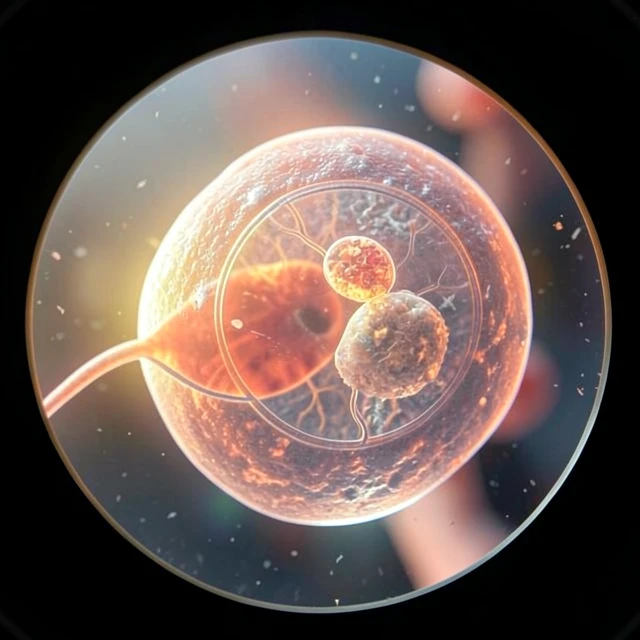
Personal stories highlight these changes. Many who went through IVF years ago remember limited options and high stress. Today, patients often freeze embryos, test them genetically, and transfer one at a time to avoid multiples. This leads to healthier pregnancies and fewer complications.
While IVF helps millions, challenges remain. Costs can be high, and success varies by age and health. But ongoing research promises even better tools, like improved ways to assess egg quality or new protocols for older patients.
Wrapping It Up
How IVF Technology Has Evolved Over the Years is a story of hope and hard work. From that first birth in 1978 to today's precise, patient-focused care, each advance has opened doors for families. Embryo cryopreservation and preimplantation genetic testing stand out as game-changers, offering more chances for success with less risk. If you're thinking about IVF, talk to a specialist to see how these modern tools fit your needs.