Understanding CDC Infertility FAQs: Causes, Treatments, and Holistic Support
Jan. 23, 2026, 6:59 a.m.
Infertility touches millions, yet many feel isolated. The CDC: Infertility FAQs at related pages like https://www.cdc.gov/reproductive-health/infertility-faq/index.html offer clear, evidence-based answers to help you navigate this challenge.
What Is Infertility?
According to the CDC, infertility means not conceiving after 1 year of regular, unprotected sex (or 6 months if over 35). It affects both women and men, and sometimes no cause is found.

How Common Is It?
CDC data shows: - About 19% of married women aged 15-49 with no prior births struggle after 1 year. - 13.4% of women 15-49 have impaired fecundity. - Around 12% have used infertility services. These numbers highlight it's far from rare.
Causes in Women
Common issues include: - Ovulation problems (e.g., PCOS as the top cause). - Blocked fallopian tubes from infections or endometriosis. - Uterine issues or age-related egg quality decline. For details, see the Office on Women's Health on infertility causes.
Causes in Men
Factors often involve: - Low sperm production or quality. - Blockages or hormonal imbalances. - Lifestyle or genetic issues. The NIH NICHD fact sheet on infertility explains these well.
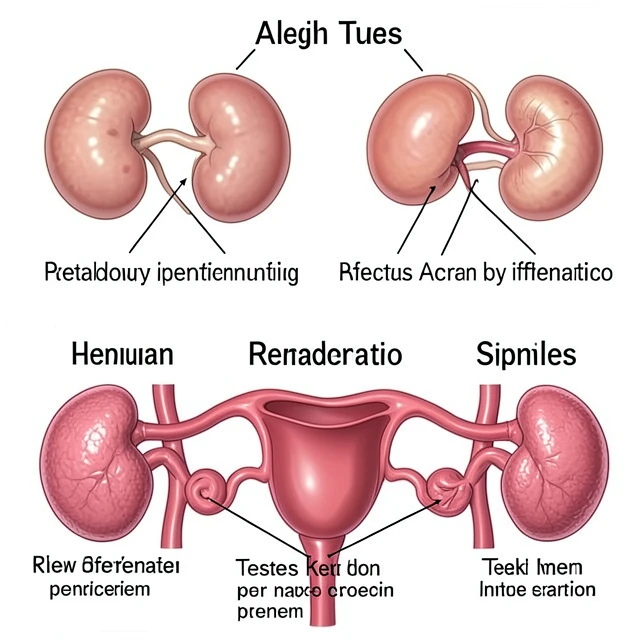
Fertility Treatment Options
Many start with lifestyle tweaks or meds. Advanced Fertility Treatment includes IVF, where eggs are fertilized outside the body. Success rates improve with younger age; recent ASRM data notes high singleton births and thousands of babies annually. Check CDC ART Success Rates for clinic data.
Holistic Approaches to Fertility Treatment
Beyond meds, many embrace holistic approaches to fertility treatment. These include: - Balanced nutrition (antioxidant-rich foods, healthy fats). - Stress reduction via yoga, meditation, or acupuncture. - Regular exercise and weight management. Evidence from sources like Harvard Health links healthy diets to better fertility. Always combine with medical guidance.

Real experiences show value: 'Adding daily walks, better sleep, and acupuncture helped me stay positive during IVF waits.' These steps empower while pursuing treatment.
In closing, the CDC: Infertility FAQs provide a solid foundation. Infertility is tough but often manageable with timely help, medical options like IVF, and supportive holistic approaches to fertility treatment. Consult professionals for your path forward.