The Power of Nutrition in Boosting Fertility - /nutrition-fertility-guide
Jan. 17, 2026, 6:42 a.m.
Quick Overview
Nutrition plays a key role in reproductive health. Eating the right foods can help balance hormones, improve egg quality, and support regular ovulation. Many couples facing female infertility or ovulation disorders find that simple diet changes make a big difference in their journey to parenthood. (About 40 words)
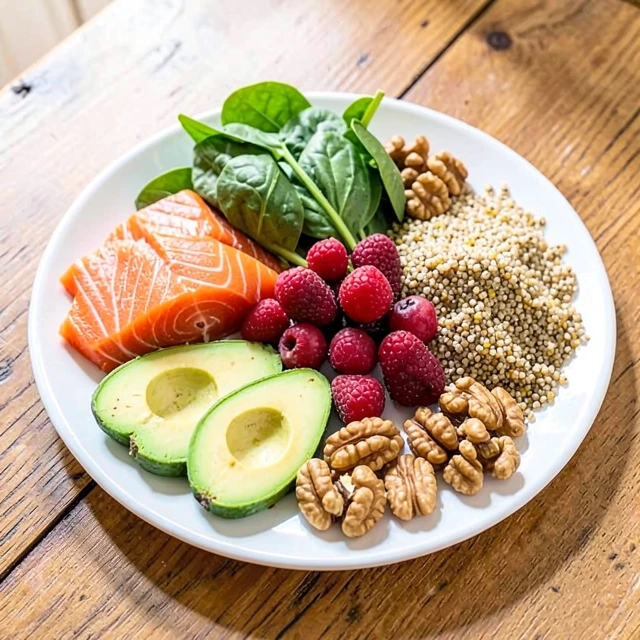
I have seen many women transform their fertility journey through better eating habits. When I started focusing on whole foods years ago while trying to conceive, my cycles became more regular, and energy levels improved. Small changes really add up.
Why Nutrition Matters for Fertility
Your body needs specific nutrients to produce hormones, release eggs, and create a healthy environment for implantation. Poor diet choices can lead to inflammation, hormone imbalance, and issues like ovulation disorders. On the other hand, nutrient-rich eating supports ovarian function and overall reproductive wellness.
Research shows that diets high in processed foods and sugars raise risks for female infertility, while Mediterranean-style eating patterns lower them. This approach emphasizes plants, healthy fats, and lean proteins.

Key Foods That Boost Fertility
Focus on these food groups to naturally enhance your reproductive health:
- Full-Fat Dairy in moderation (some studies link it to better ovulation)
- Fatty Fish like salmon for omega-3s
- Leafy Greens and colorful veggies for folate and antioxidants
- Nuts and Seeds (walnuts, chia) for healthy fats
- Whole Grains instead of refined carbs
- Beans and Lentils for plant-based protein and fiber
Avoid or limit trans fats, excessive sugar, and processed meats. These can disrupt hormone balance and increase inflammation.
Best Supplements for Ovulation Disorders
For women dealing with ovulation disorders or infertility, targeted supplements can help fill gaps. Always talk to a doctor first.
Here are some of the best supplements for ovulation disorders based on studies:
- Folic Acid (at least 400-800 mcg daily) – Supports egg quality and reduces risks
- Myo-Inositol – Great for PCOS-related issues; improves insulin sensitivity and ovulation
- CoQ10 – Boosts egg energy, especially helpful over age 35
- Omega-3 Fish Oil – Reduces inflammation and supports hormone balance
- Vitamin D – Many women are low; it aids ovarian function
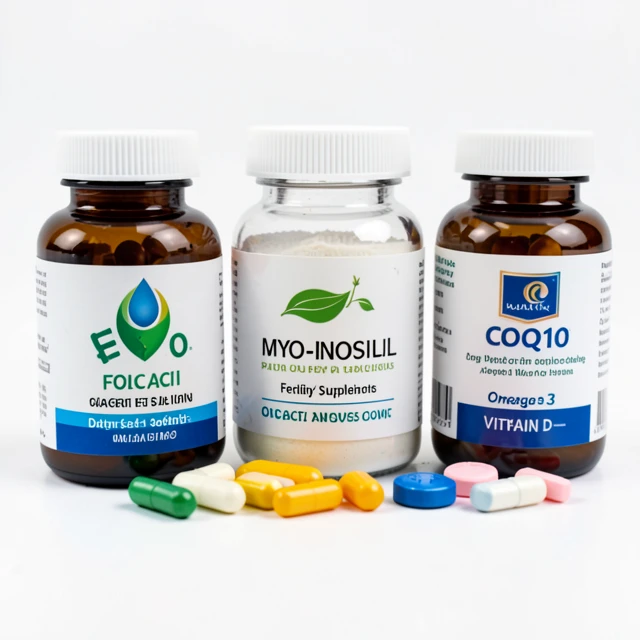
Evidence suggests antioxidants like CoQ10 and inositol can improve outcomes for those with irregular cycles. One study found higher folate intake linked to lower ovulatory infertility risk.
Practical Tips to Get Started
Start small: Swap soda for water with lemon, add a handful of nuts daily, and include more veggies in meals. Track your cycle to see changes. Maintain a healthy weight – even 5-10% loss can restore ovulation in some cases.
Stay hydrated, manage stress, and pair diet with moderate exercise. These habits support the full picture of fertility health.
Final Thoughts
The power of nutrition in boosting fertility is real and backed by science. By choosing nutrient-dense foods and considering helpful supplements, many people see improvements in ovulation, hormone balance, and overall chances of conception. Listen to your body, be patient, and seek professional guidance when needed. Your fertility journey deserves this care.