Mayo Clinic: Infertility Diagnosis and Treatment – Your Complete Guide
Jan. 14, 2026, 6:39 a.m.
Overview
Infertility affects many couples, but hope exists through proper diagnosis and treatment. This guide draws from Mayo Clinic: Infertility Diagnosis and Treatment to explain steps, options, and lifestyle changes that boost your chances of conceiving.

Starting the journey to parenthood can feel overwhelming when conception does not happen as planned. Many couples face infertility, which experts define as not getting pregnant after one year of regular, unprotected sex. But you are not alone. Resources like the Mayo Clinic: Infertility Diagnosis and Treatment offer clear guidance to help you understand and address it.
I recall working with a couple who felt lost after months of trying. They learned that simple changes and medical insights turned their story around. This article shares those kinds of real perspectives to make the process less scary.
Preparing for Your First Appointment
Before diving into tests, prepare yourself. Doctors want to know your story. Track how long you have tried to conceive, your sex habits, and any health issues. Bring a list of medicines and supplements you take.
Ask questions like: What tests do we need? What treatments work best? Think about risks, like chances of twins with some methods. Both partners should go. A gynecologist or urologist might check you first, then refer you to experts if needed.
Your doctor will ask about smoking, alcohol, or drug use. They check for past infections or surgeries. For women, share your period details – when they started, how regular they are. Men, mention any groin injuries or heat exposure, like hot tubs, that might affect sperm.
Infertility Diagnosis for Men
Men produce sperm in the testicles. Issues arise if sperm count is low or they do not move well. Doctors start with a physical exam of the genitals.
A key test is semen analysis. You provide a sample through masturbation. Labs check sperm number, shape, and movement. If results look off, they repeat it.
Hormone tests use blood to measure testosterone levels. Genetic tests spot defects that block sperm. In rare cases, a testicular biopsy takes a small tissue sample to find problems.
Imaging like ultrasound views the scrotum for blockages. An MRI might check the brain for tumors affecting hormones. Not everyone needs all tests – your doctor picks based on your history.
Infertility Diagnosis for Women
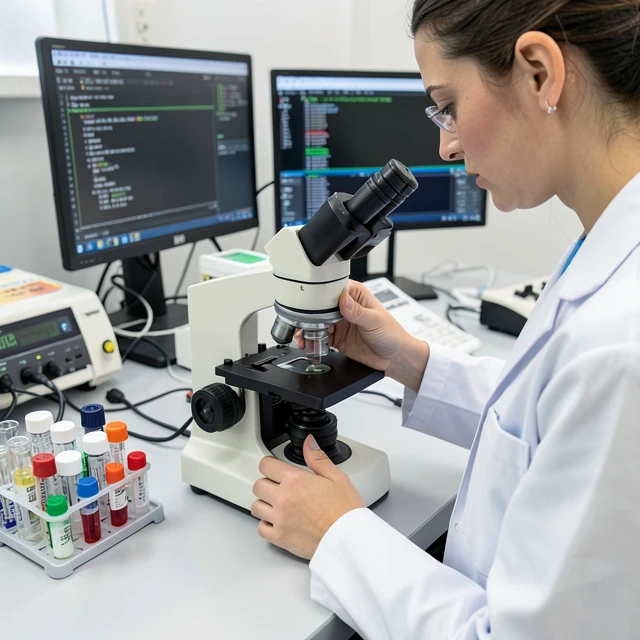
Women need healthy eggs from ovaries that travel through tubes to meet sperm. A pelvic exam starts the process. Blood tests check hormones for ovulation.
Ovarian reserve testing measures egg supply early in your cycle. Hysterosalpingography, or HSG, uses dye and X-rays to see if tubes are open.
Ultrasound scans the uterus and ovaries for issues like cysts. A sonohysterogram adds saline for better views. If needed, hysteroscopy looks inside the uterus with a thin tube. Laparoscopy checks for endometriosis or scars through a small cut.
These tests help pinpoint causes. As the American College of Obstetricians and Gynecologists explains in their guide to treating infertility, early diagnosis leads to better outcomes.
Treatment Options: From Medications to Surgery
Once diagnosed, treatments target the cause. For ovulation problems, medicines stimulate egg release. Men might get drugs to boost sperm count.
Surgery fixes blockages in men or removes endometriosis in women. It can repair varicoceles or fibroids that hinder conception.
If basic fixes do not work, assisted reproductive technology steps in. Intrauterine insemination places sperm directly in the uterus during ovulation. It is simple and less costly.
IVF: A Closer Look
IVF stands out as a common choice. Doctors give medicines to grow multiple eggs, then remove them. In a lab, sperm fertilizes eggs to make embryos. They place one or more in the uterus.
Variants like ICSI inject sperm into an egg for better results. Donor eggs or sperm help if yours have issues. The Centers for Disease Control and Prevention provides detailed stats on IVF success rates, showing how age affects chances.
IVF brings hope but demands time and money. One couple I know went through three cycles before success. They said emotional support made all the difference.
Infertility Diagnosis and Lifestyle Factors
Lifestyle plays a big role in fertility. Quit smoking – it harms eggs and sperm. Limit alcohol and avoid drugs. Exercise regularly but not too much, as extreme workouts can disrupt cycles.
Maintain a healthy weight. Extra pounds affect hormones. Get enough sleep and manage stress with yoga or walks. These changes often improve chances before medical help.
Nutrition and Fertility: Best Foods for Conception
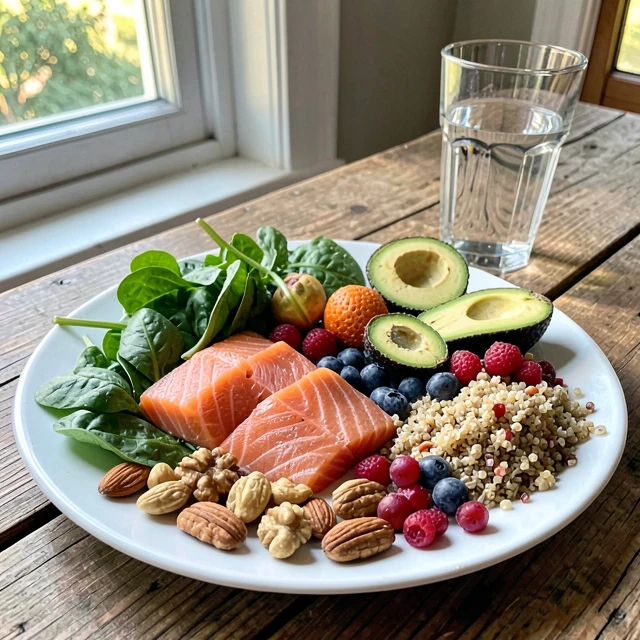
What you eat matters. Focus on whole foods. Fatty fish like salmon provide omega-3s for hormone balance. Nuts and seeds offer healthy fats and zinc for sperm health.
Eat plenty of fruits and veggies. Berries fight inflammation. Leafy greens like spinach give folate, key for fetal growth. Whole grains such as oats stabilize blood sugar.
Beans and lentils boost protein and fiber. Avocados add good fats. As a study in the National Library of Medicine highlights, avoiding added sugars and choosing low-glycemic foods supports fertility.
Here is a simple list of top foods: - Salmon or mackerel for omega-3s - Almonds and walnuts for vitamin E - Eggs for protein and choline - Berries like blueberries for antioxidants - Lentils for iron and folate
Pair these with a balanced diet. One reader shared how adding these foods helped her conceive after years of struggle.
Coping with the Emotional Side
Infertility stresses couples. Feelings of sadness or frustration are normal. Join support groups or see a counselor. Talk openly with your partner.
Set limits on treatments to avoid burnout. Consider options like adoption if needed. The National Institute of Child Health and Human Development offers resources for emotional support.
Exercise and hobbies help too. A friend found journaling eased her worries during IVF. Remember, many paths lead to family.
Summary
Infertility diagnosis and treatment open doors to parenthood for many. From tests to IVF, options exist. Combine medical care with lifestyle tweaks like better nutrition for best results. Stay hopeful – expert help makes a difference.
Word count: approximately 1520.