Understanding Miscarriage: Causes and Recovery
Jan. 12, 2026, 7:10 a.m.
Miscarriage touches millions of lives yet remains deeply personal and often silent. This comprehensive guide explores what causes miscarriage, how your body and heart heal, and realistic steps toward preparing for another pregnancy after miscarriage. You are not alone, and healing is possible.

What Is a Miscarriage?
A miscarriage is the loss of a pregnancy before 20 weeks. Most happen in the first 13 weeks. Doctors also call it early pregnancy loss or spontaneous abortion.
About 10% to 20% of known pregnancies end in miscarriage, according to the Mayo Clinic. The actual number is likely higher because many losses occur before a woman knows she is pregnant.
Miscarriage is common, but that does not make it less painful. It is a real loss, and your feelings are valid.
Common Causes of Miscarriage
Most miscarriages happen because the pregnancy cannot develop normally. Here are the main reasons:
- Chromosomal abnormalities — This is the most common cause, accounting for about 50% of cases. The embryo has the wrong number of chromosomes, often by chance during fertilization. It is rarely related to anything parents did.
- Maternal age — Risk rises with age. At 35, the chance is around 20%; at 40, it reaches 40%.
- Health conditions — Uncontrolled diabetes, thyroid problems, severe high blood pressure, or infections can play a role.
- Uterine or cervical issues — Fibroids, a septum, or a weak cervix may contribute in some cases.
- Lifestyle factors — Smoking, heavy alcohol use, illicit drugs, and extreme caffeine intake increase risk.
Many myths exist. Normal daily activities like moderate exercise, working (unless in a harmful environment), stress, or sex do not cause miscarriage. The American Pregnancy Association clearly states these factors are not proven causes.
Signs and Symptoms
Recognizing the signs early helps you get timely care. Common symptoms include:
- Vaginal spotting or bleeding (from light to heavy)
- Cramping or pain in the lower abdomen
- Passing tissue or fluid from the vagina
- Loss of pregnancy symptoms like breast tenderness
If you experience these, contact your doctor right away. Not all bleeding means miscarriage, but it needs checking.
Physical Recovery After Miscarriage
Your body usually heals quickly. Bleeding and cramping may last 1–2 weeks, similar to a heavy period. Most women return to normal cycles within 4–6 weeks.
The American Pregnancy Association recommends avoiding tampons and sexual intercourse until bleeding stops to prevent infection.
Follow-up care often includes a check-up to confirm everything has passed. If not, you may need medication or a minor procedure called D&C.
Rest, stay hydrated, and take pain relief as advised. Most women feel physically back to normal within a month.
The Emotional Journey After Miscarriage
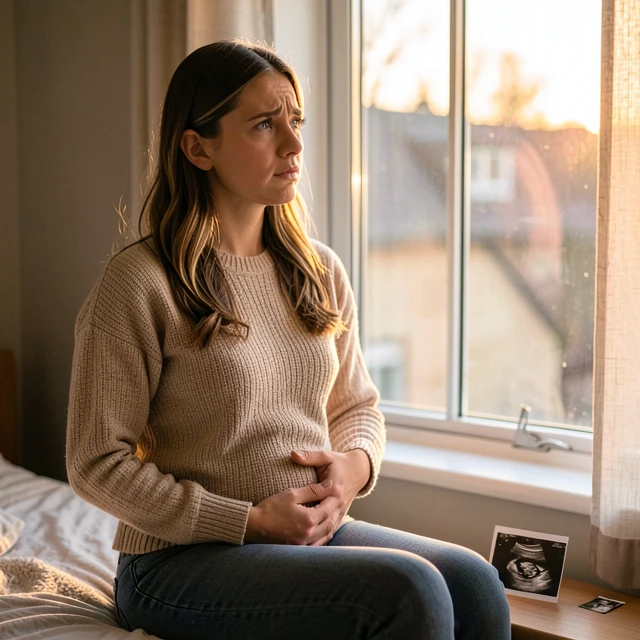
Emotional healing often takes longer than physical recovery. You may feel a roller coaster of emotions: shock, sadness, anger, guilt, emptiness, or even relief.
Many women blame themselves, wondering “What did I do wrong?” The truth is, in most cases, nothing you did caused it. Guilt is common but usually misplaced.
Partners grieve too, sometimes differently. Men may focus on “fixing” things or hide their sadness to stay strong. Both feelings are normal.
Anxiety about future pregnancies is also widespread. Studies show increased depression and anxiety risk in the months following loss, yet most people recover with time and support.
Coping Strategies and Finding Support
Here are practical ways to care for your mental health:
- Allow yourself to grieve — Cry, journal, or create a small memorial.
- Talk openly with your partner, a trusted friend, or a counselor.
- Join a support group — Many find comfort sharing with others who understand.
- Seek professional help if sadness lasts weeks or interferes with daily life.
- Be patient with yourself — There is no “right” timeline for healing.
Resources like the American Pregnancy Association emotional survival guide offer helpful tips.

Preparing for Another Pregnancy After Miscarriage
Most couples who want another child go on to have a healthy pregnancy. Over 85% succeed on the next try.
Current guidelines from ACOG and recent studies show no medical benefit to waiting long periods. Many doctors say you can try again as soon as you feel physically and emotionally ready—often after one normal menstrual cycle.
Steps to prepare:
- Schedule a preconception visit to review health and any needed tests.
- Start or continue prenatal vitamins with folic acid.
- Adopt healthy habits: balanced diet, regular gentle exercise, no smoking or alcohol.
- Manage chronic conditions carefully.
- Consider genetic counseling if concerns arise.
The American Pregnancy Association offers detailed guidance on timing and emotional readiness.
When Recurrent Loss Happens and Fertility Treatments
If you experience two or three consecutive miscarriages (called recurrent pregnancy loss), your doctor will likely recommend testing for underlying causes such as genetic factors, hormonal imbalances, uterine abnormalities, or blood clotting disorders.
Treatments depend on findings:
- Surgery to correct uterine issues
- Hormone support like progesterone
- Blood-thinning medications for clotting disorders
- IVF with preimplantation genetic testing (PGS/PGT) to select healthy embryos
Fertility treatments after miscarriage have helped many couples achieve successful pregnancies. Specialized clinics offer dedicated recurrent loss programs.
Final Thoughts
Understanding miscarriage—its causes and recovery—can bring clarity during a confusing time. Your body is resilient, and with support, emotional wounds heal too. Most people who want children go on to build their families.
Give yourself grace. Reach out for help when needed. There is hope ahead.