Real Stories of Fertility Preservation: Hope, Choices, and New Beginnings
Jan. 9, 2026, 6:41 a.m.
Fertility preservation gives people facing infertility risks a way to protect their chance at future parenthood. These real stories show how individuals navigated tough decisions, preserved eggs, sperm, or embryos, and built families despite challenges.
When life throws unexpected obstacles—like a cancer diagnosis or the desire to delay parenthood—many people turn to fertility preservation. This process helps protect reproductive options before treatments or time affect fertility. Real stories of fertility preservation highlight courage, hope, and the power of modern medicine.

Why People Choose Fertility Preservation
Treatments like chemotherapy and radiation can damage eggs, sperm, or reproductive organs, leading to infertility. Others choose it electively to extend their childbearing years. According to experts, early discussion with a specialist makes all the difference.
The Mayo Clinic explains common fertility preservation methods, including egg freezing, embryo freezing, and sperm banking. These options provide peace of mind during difficult times.
A Cancer Survivor's Journey: Sarah's Story
Sarah was 29 when doctors diagnosed her with breast cancer. Her oncologist quickly referred her to a fertility specialist. With only weeks before chemotherapy, Sarah chose egg freezing.
"It felt overwhelming," she recalls. "But knowing I had taken steps for my future family kept me going." After treatment and recovery, Sarah used her frozen eggs with IVF and welcomed a healthy baby girl two years later.
Many cancer patients face similar timelines. The American Society for Reproductive Medicine (ASRM) recommends prompt counseling for anyone undergoing gonadotoxic treatments.
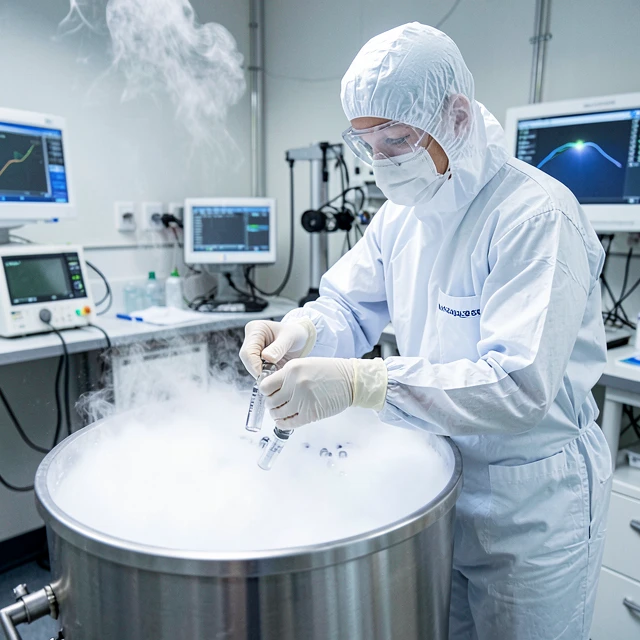
Embryo Freezing Before Treatment: Ana's Experience
Ana received a Hodgkin lymphoma diagnosis at 32, shortly after marrying. She and her husband acted fast to create and freeze embryos.
"We produced 12 healthy embryos," Ana shares. "After beating cancer, we transferred one and now have a thriving toddler. The rest wait for future siblings."
Stories like Ana's appear on the Alliance for Fertility Preservation patient stories page, showing how preparation leads to positive outcomes.
Elective Egg Freezing: Emily's Proactive Choice
Not all preservation stories involve illness. Emily, a 37-year-old marketing executive, felt her biological clock ticking without a partner.
She completed two cycles of egg freezing. "I wanted control over my timeline," she says. "Five years later, I met my husband. We used my frozen eggs through IVF and had twins." Elective freezing grows more common as women prioritize career and personal growth.
Understanding Costs and Options
The cost of fertility preservation treatments varies widely. Egg or embryo freezing typically ranges from $10,000 to $15,000 per cycle, plus medication and annual storage fees.
| Procedure | Average Cost Range | Additional Notes |
|---|---|---|
| Egg Freezing | $10,000–$15,000 | Per cycle, excludes meds ($3,000–$5,000) |
| Embryo Freezing | $12,000–$18,000 | Includes IVF stimulation |
| Sperm Banking | $1,000–$2,500 initial | Plus yearly storage $300–$600 |
| Annual Storage | $300–$600 | For eggs, embryos, or sperm |
Many patients find help through grants or discounts. The Alliance for Fertility Preservation provides detailed cost guidance.

Male Fertility Preservation: Mark's Story
Men also benefit from preservation. Mark, diagnosed with testicular cancer at 25, banked sperm before surgery and chemotherapy.
"It was straightforward—one visit," he says. "Years later, my wife and I used the sample with IVF. We now have two children." Sperm banking remains the most accessible and affordable option for men.
The Role of IVF in These Journeys
Most preservation stories eventually involve IVF to achieve pregnancy. Frozen eggs or embryos thaw and fertilize in a lab before transfer. Success rates depend on age at freezing—younger generally yields better results.
Final Thoughts
Real stories of fertility preservation prove that options exist even in the face of infertility risks. Whether facing medical treatments or simply planning ahead, people regain control over their reproductive future.
Talking to a specialist early opens doors. These journeys remind us that hope, science, and determination can lead to the family you dream of.
Every story is unique, but the common thread is action. If you're considering fertility preservation, reach out to a reproductive endocrinologist today.