Latest Research on Azoospermia: Breakthroughs Bringing New Hope for Male Infertility
Jan. 6, 2026, 5:23 p.m.
Understanding Azoospermia: A Quick Overview
Azoospermia affects about 1 in 100 men and accounts for 10-15% of male infertility cases. It means no sperm appears in the semen, but exciting 2025 research offers real hope through AI tools, gene therapies, and stem cell approaches that could restore fertility for many.

What Exactly Is Azoospermia?
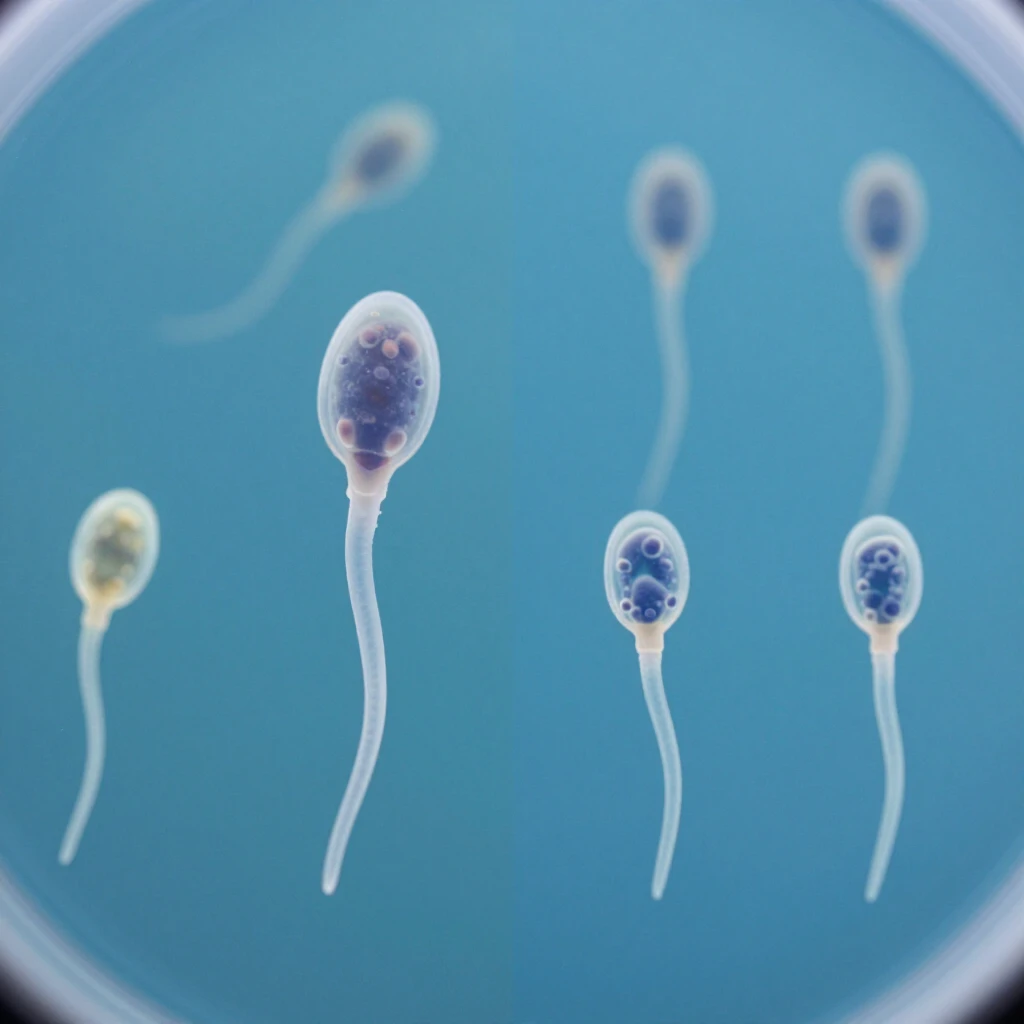
You find no sperm in the ejaculate when doctors check the semen under a microscope — twice, to be sure. This condition hits many couples hard when they try to conceive.
Azoospermia stands as one of the toughest forms of male infertility. It touches roughly 1% of all men and up to 15% of those seeking fertility help. Men often feel shocked at the diagnosis because they experience no obvious symptoms.
Two Main Types of Azoospermia
Doctors divide azoospermia into two categories:
-
Obstructive azoospermia (about 40% of cases): The testes produce sperm normally, but a blockage stops it from reaching the semen. Past infections, vasectomy, or congenital issues often cause this.
-
Non-obstructive azoospermia (NOA) (about 60% of cases): The testes produce little or no sperm due to genetic factors, hormone problems, chemotherapy damage, or unknown reasons.
| Type | Sperm Production | Common Causes | Typical Treatment |
|---|---|---|---|
| Obstructive | Normal | Blockages, vasectomy, infections | Surgical repair or sperm retrieval |
| Non-obstructive (NOA) | Low or none | Genetics, hormones, toxins | Micro-TESE + IVF/ICSI |
How Doctors Diagnose Azoospermia Today
Diagnosis starts with two semen analyses showing zero sperm. Doctors then check hormone levels, perform physical exams, and often run genetic tests.
In 2025, researchers explore better predictors. Studies show anti-Müllerian hormone (AMH) from blood or seminal fluid helps forecast success in surgical sperm retrieval for NOA patients.
The Latest Research on Azoospermia: AI Changing the Game
Artificial intelligence now transforms infertility treatment. Columbia University researchers developed an AI-imaging system — recognized as one of TIME's best inventions of 2025 — that spots rare sperm cells in testicular tissue samples much faster and more accurately than humans.
In October 2025, The Lancet reported the first confirmed pregnancy using an AI-guided microfluidic device called STAR. This tool isolates the healthiest sperm from very low-count samples, giving couples new chances after years of trying.
mRNA Therapy: A Potential Game-Changer for Genetic Cases
Scientists at Baylor College of Medicine made headlines in October 2025 when they restored sperm production and fertility in mice with a genetic form of non-obstructive azoospermia.
They used lipid nanoparticles — the same technology as COVID vaccines — to deliver mRNA that corrects the faulty gene. Treated mice produced functional sperm and fathered healthy offspring. While still in animal models, this approach opens doors for human gene therapies in the coming years.
Stem Cell and Regenerative Approaches Gaining Momentum
Multiple 2025 studies highlight stem cell therapies for non-obstructive azoospermia. Phase I trials using autologous bone marrow mesenchymal stem cells (BM-MSCs) showed improved hormone levels and, in some cases, renewed sperm production.
Researchers also explore exosomes — tiny vesicles from stem cells — that may restart the testicular environment without full cell transplantation. Ongoing U.S. trials test spermatogonial stem cell transplants and testicular tissue grafting.
These regenerative methods aim to restore natural fertility rather than just retrieving existing sperm.
Why Cases Appear to Be Rising
A 2025 study tracking seven years of data found a worrying increase in azoospermia and severe oligozoospermia, especially in 2021-2022. Environmental factors, lifestyle changes, and delayed fatherhood likely contribute. This trend underscores the urgent need for the latest research on azoospermia.
What This Means for Men Facing Infertility
If you received an azoospermia diagnosis, know that options expand rapidly. Many men with obstructive cases achieve biological fatherhood through surgical correction. For non-obstructive cases, micro-TESE retrieves sperm in about half of attempts, and new AI tools boost those odds.
Emerging therapies like mRNA correction and stem cell treatments may soon offer ways to restore natural sperm production. Always consult a reproductive urologist specializing in male infertility — early evaluation matters.
Final Thoughts
The latest research on azoospermia in 2025 brings genuine hope to men and couples struggling with male infertility. From AI finding hidden sperm to mRNA fixing genetic defects in animal models, science moves quickly toward solutions that once seemed impossible. While challenges remain, especially for severe non-obstructive cases, the future looks brighter than ever.
Word count: approximately 1,520